Heroes in video games are often painted as the clear answer to villainy, the shining force that pushes back against the devout forces of evil and restores balance to an otherwise shattered world. They symbols of what all should fight for, and have long since been the inspiration for generations of people. For decades, the medium has thrived on this simple but powerful idea: the hero is the one who saves the day, no matter the cost.
Videos by ComicBook.com
But not every story is so black and white, and rarely do heroes save without just cause in reality. Some of gaming’s most iconic protagonists have caused far more destruction and suffering than far exceeds anything their enemies could ever hope to accomplish, often for the sake of the greater good, but also out of selfishness. In fact, these so-called “heroes” often leave the world worse off than when they found it, forcing us to question what it really means to be heroic. With that in mind, here are four video game heroes who actually caused more harm than the villains.
4. Joel Miller (The Last of Us)
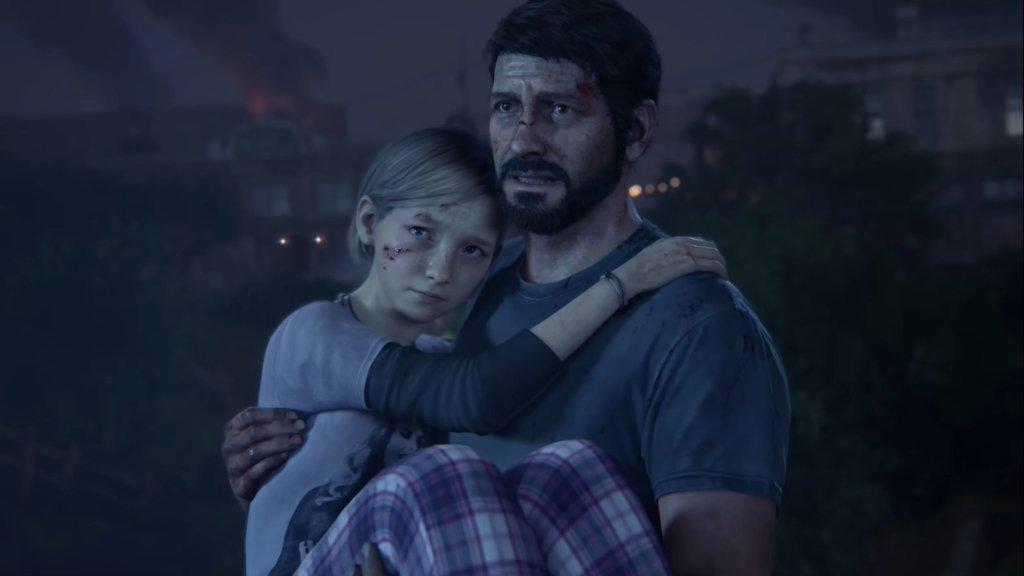
Few characters in modern heroes evoke more debate over morality than Joel Miller from The Last of Us. His story is one of peak tragedy, shaped by the personal loss of his daughter in the early days of the outbreak. His relationship with Ellie throughout the first game is generally celebrated as one of the deepest and most humanizing bonds in the medium. It is very easy to grow attached to him, and many empathize with his desire to protect Ellie at all costs. In many ways, the bond between Joel and Ellie is tragic, but it still warms the heart.

But at the climax of the first game, Joel makes a decision that paints him squarely as a villain, as his personal desires overtake his heroic focus. By slaughtering the Fireflies and preventing Ellie from being sacrificed for a potential cure, he robs humanity of its only real chance of survival. His choice is rooted in love from his perspective, but it is ultimately considered “evil” from anyone else’s. One man’s unwillingness to let go of a surrogate daughter condemns the world to continued suffering. The infected continue to spread, society remains broken, and countless lives are lost because Joel could not bear to lose again. Joel’s death and the hands of Abby, years later, come as a near direct result of his actions.
The villains of The Last of Us often act out of desperation or revenge, but Joel’s actions operate on an entirely different wavelength. By choosing his personal attachment to Ellie over humanity’s survival, Joel willingly curses humanity’s foreseeable future. In many ways, the cannibals, raiders, and Firefly extremists pale in comparison to the harm Joel has done, making him one of gaming’s most complex “heroes”. If the story were told from anyone else’s perspective, Joel would be the ultimate villain in the Last of Us universe.
3. Commander Shepard (Mass Effect)
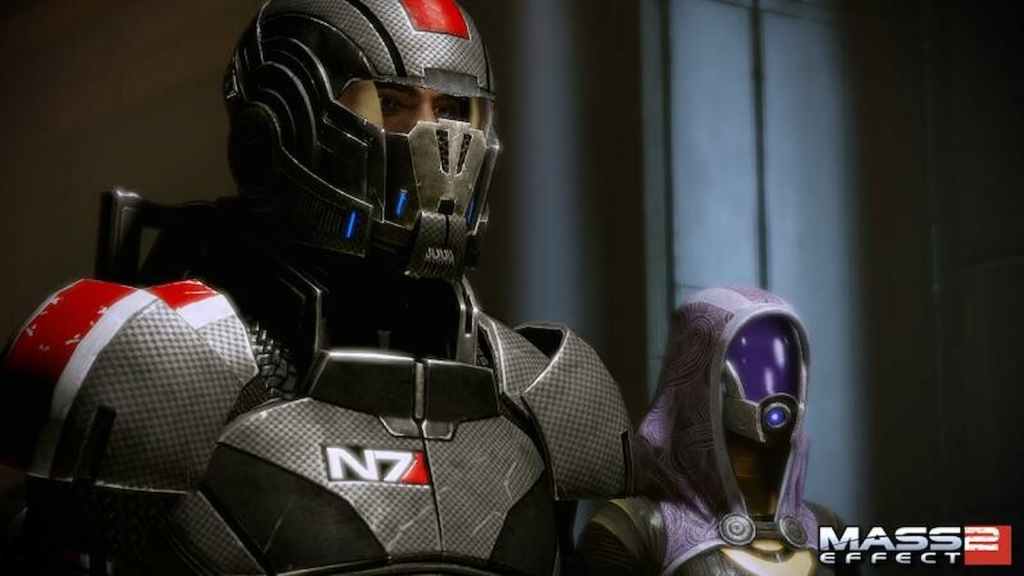
At first glance, Commander Shepard from Mass Effect seems like the ultimate savior fantasy. Shepard rallies galactic civilizations, unites rival factions, and combats an ancient machine race that threatens to wipe out all advanced life. Players spend an entire trilogy making choices to shape Shepard into a paragon of diplomacy or a renegade of ruthless efficiency. Shepard is the hero the galaxy looks to when annihilation is imminent.
Yet Shepard’s victories are also catastrophes in disguise. Depending on the player’s decisions, Shepard can inadvertently cause the extinction of entire species. The Rachni, for example, can either be given a chance at redemption or condemned to destruction, but either choice carries far-reaching consequences that can destabilize the galaxy. Then there is the handling of the Krogan, a proud species crippled by the genophage. Shepard can choose to cure the genophage, opening the door for potential Krogan dominance and galactic war, or reinforce it, ensuring the species remains suppressed. Either path creates enormous ripple effects of suffering.
Even the so-called “solution” at the trilogy’s end highlights Shepard’s destructive influence. The destruction of the Reapers either wipes out synthetic life entirely, including beloved characters like the geth, or enslaves all advanced beings into a new order of forced synthesis. Shepard’s attempts to save the galaxy always involve sacrifices on a scale so massive that the villains’ cruelty looks almost minor by comparison. Where the Reapers sought to “preserve” life through destruction, Shepard leaves behind a galaxy fundamentally broken and scarred by choices that can never truly be called victories. Mass Effect 5 is going to be an interesting thing to witness from a narrative perspective.
2. Wander (Shadow of the Colossus)
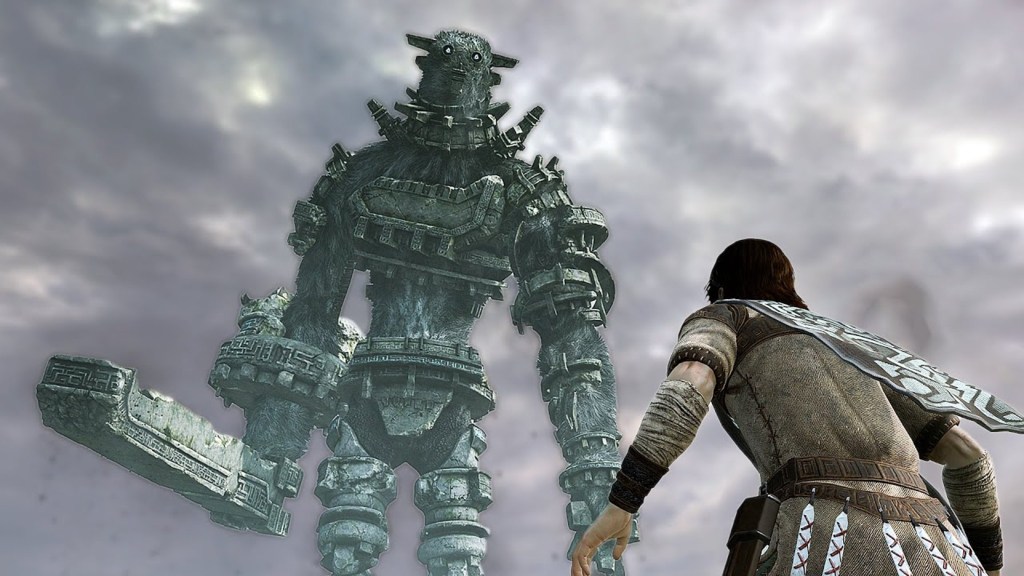
In Shadow of the Colossus, players control Wander, a youth willing to do anything to bring back a loved one from death. At first, Wander appears almost saint-like in his dedication, wielding his sword and determination against towering colossi that guard the forbidden land. The game ensures that his heroic perspective is front and center, to convince the player early on that the colossi are harbingers of destruction that must be defeated. The scale of these battles paints Wander as an against-all-odds hero defying the impossible for the sake of love.
But beneath the spectacle lies a darker truth. The colossi are not the rampaging monsters terrorizing the land they appear to be. Instead, a revelation occurs later in the game: they are peaceful beings, many of them passive until Wander attacks them. By destroying the colossi, Wander is not saving the world but instead tearing it apart. Each of their deaths releases fragments of Dormin, a sealed malevolent entity who manipulates Wander’s desperation to gain freedom.
By the end of the game, Wander himself is consumed and transformed, becoming a vessel of Dormin’s rebirth. His reckless quest not only ends his own life but also unleashes an ancient evil back into the world. The supposed villain of the story is not Dormin alone but the tragic naivety of Wander, whose blind love causes devastation to both the natural order and himself. Unlike traditional heroes, Wander’s journey is a warning: not all quests for love and life end in triumph. Sometimes, they end in damnation when ignorance takes the wheel.
1. Kratos (God of War)
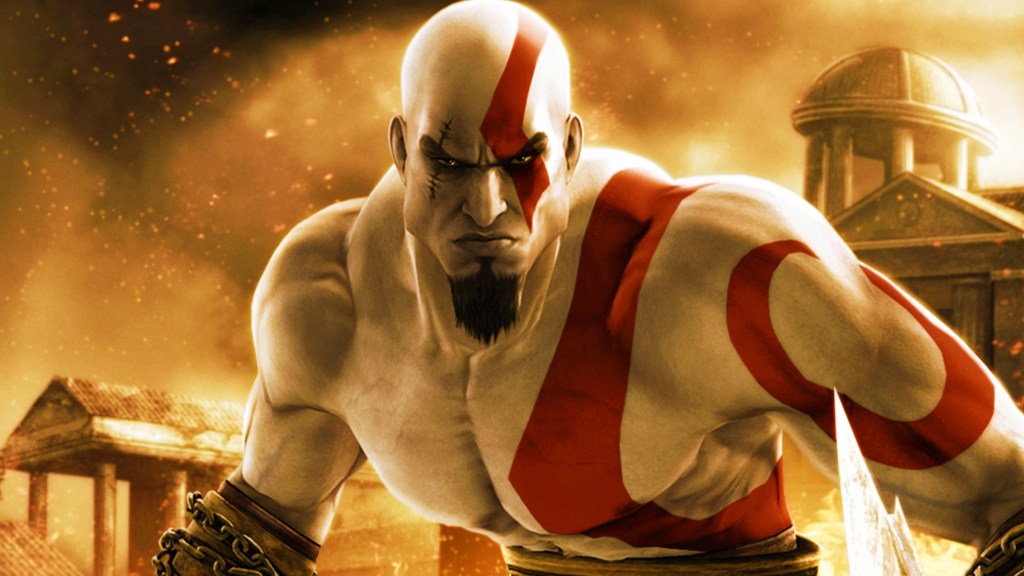
Few video game protagonists are as infamous as Kratos from God of War, as far as heroism is concerned. He begins as a Spartan warrior who sells his soul to Ares, only to rebel when the god manipulates him into slaughtering his own family. From there, Kratos embarks on a crusade of extreme vengeance against the Greek pantheon. None of the gods were safe, and, to players, he appeared justified. Who wouldn’t want revenge against gods who deceived and destroyed them? Kratos is a force of will and fury, overcoming impossible odds by reshaping myth itself.
Yet his legacy is one of blood and ruin, and as the games progress, Kratos’ unhinged mentality begins to question his morality. Kratos does not simply defeat gods. He slaughters them in often horrific ways, and, in doing so, destabilizes the entire fabric of the Greek world. His slaying of Poseidon, for example, floods the earth. His killing of Hades unleashes the souls of the dead across the land. His vengeance against Helios plunges the world into total darkness. Each act of wrath against Olympus brings about calamities that decimate humanity far more effectively than the gods’ cruelties ever did. By the time Kratos is finished, the Greek world is a wasteland, its civilization destroyed not by divine tyranny but by his unrelenting rage.
In the more recent Norse saga of the God of War games, Kratos has become much more soft-spoken and reflective of his actions. Despite getting the revenge he wanted, he recognizes that he went way too far and seeks to atone for his sins, which is a recurring theme. Even so, his early days cement him as a hero who left more destruction in his wake than any villain in the series. His journey challenges the very idea of justice, showing how vengeance disguised as heroism can bring about apocalyptic destruction.
What do you think? Leave a comment below and join the conversation now in the ComicBook Forum!
Most Viewed
-

Image courtesy of Netflix -
Image courtesy of Bethesda -

Warner Bros. Animation / Cartoon Network Studios -

Courtesy of Crunchyroll