Heath Ledger’s filmography is not a light one. The performance that defines him is the Joker in The Dark Knight, which won a posthumous Academy Award and remains the reference point for what a comic book villain can be on screen. Behind it sit Ennis Del Mar in Brokeback Mountain, a heroin addict spiraling through Candy, and one of the six actors splitting Bob Dylan between them in I’m Not There. Even A Knight’s Tale, the closest thing to an outright crowd-pleaser on the list, is a film about a peasant lying his way into a sport that would destroy him for it if anyone found out. Read backward from 2008, the shape of the career is an actor moving steadily and deliberately toward heavier, stranger, more difficult material, and the roles keep getting further from anything you would call fun. Which makes it easy to forget the summer he spent in a Terry Gilliam fairy tale, getting yelled at by Matt Damon.
Videos by ComicBook.com
The Brothers Grimm opened in August 2005 and has spent the two decades since as the film nobody brings up. Gilliam directed it from a script by Ehren Kruger, with Damon and Ledger as Will and Jacob Grimm, not the folklorists of the history books but a pair of traveling con men who stage hauntings across French-occupied Germany, charge the villagers to exorcise them, and split the money before anyone asks questions. Then they walk into a forest outside a village called Marbaden, where girls have been disappearing and the monsters turn out to be real. ComicBook has covered the box office bomb that buried the film on release, and none of those numbers are in dispute. What has never gotten its due is what Ledger is actually doing inside the movie, which is the funniest and least guarded work of his career. He had to ask for the part to get it.
Heath Ledger and Matt Damon Talked Terry Gilliam Into Trading Roles
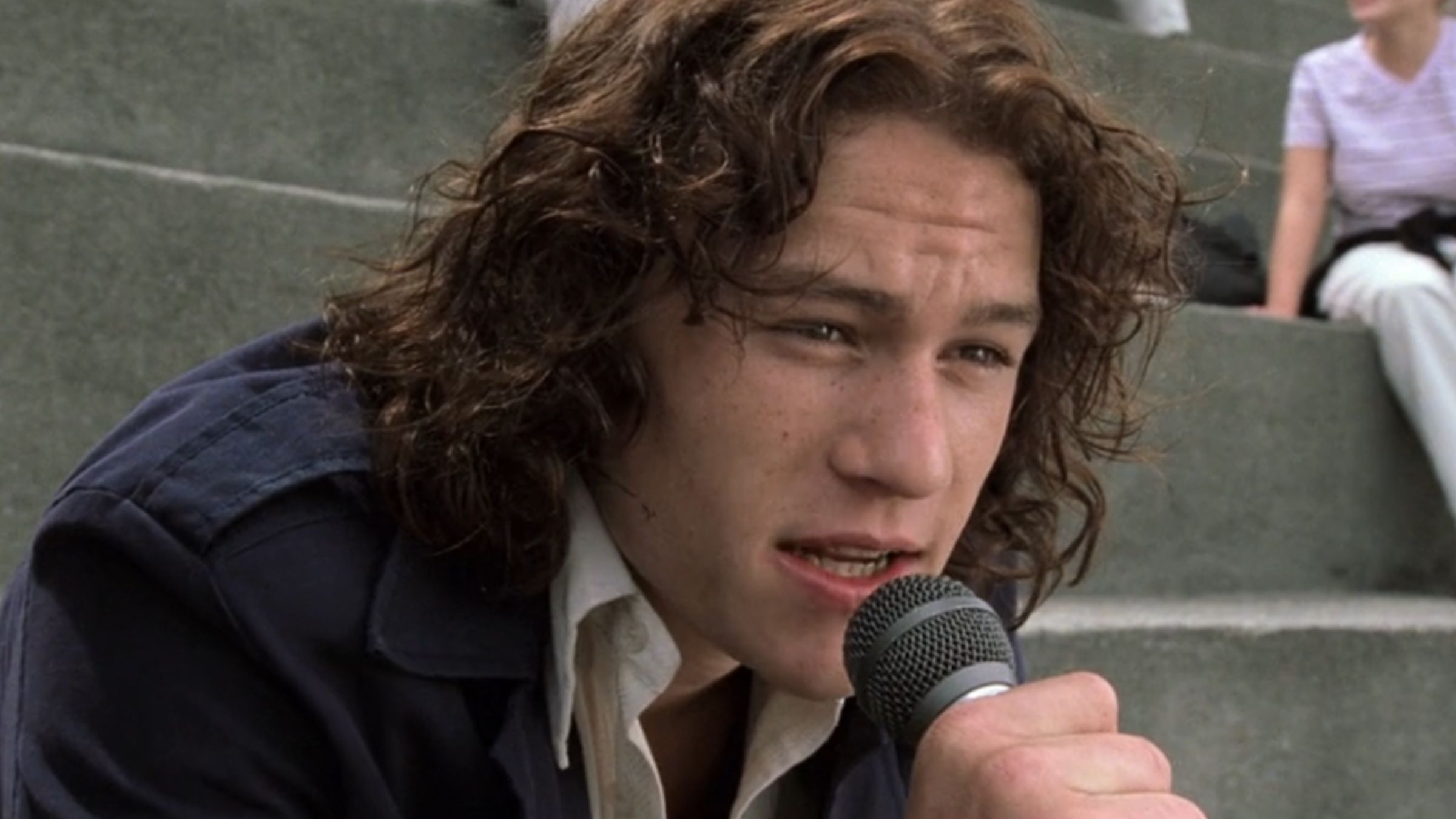
The casting started the other way around. Gilliam had offered Damon the role of Jacob, the younger brother, the one who fills notebooks with every folk tale he hears and half believes all of them. Ledger was set to play Will, the older brother who runs the con, holds the purse, and treats his brother’s notebook as a liability that will get them both hanged. Both actors went to the director and asked him to undo it. “Heath and I switched roles,” Damon said in an interview published on the film’s release day. “At the time when it was offered, I was offered Jacob. Heath and I both lobbied Terry to switch roles because I always play the Jacob role and Heath felt he was always the Will role so we wanted to flip flop.”
That is a more interesting sentence than it first looks. Damon is describing two actors who had each been typed, and who noticed it, and who decided to trade their way out. Damon’s default register at that point was the earnest one, the believer, the guy who means it. Ledger, coming off 10 Things I Hate About You and A Knight’s Tale, had been cast as the charming operator so consistently that it had stopped being a choice. What they agreed to do was hand each other the part they would not otherwise have been offered, which is why the film’s con man is played by the actor who never plays con men and its nervous romantic is played by the one who never plays those.
The result is the loosest Ledger ever got on screen. His Jacob stammers, panics, talks himself into corners, and clutches his notes like a man holding the only piece of evidence that the world makes sense. He is fussy in a way none of his other characters are allowed to be, and Gilliam lets him play the whole thing about fifteen percent bigger than a normal film would permit. Damon works as the straight man and is very good at it, which is its own kind of generosity from an actor who was, at that exact moment, a bigger star. The two of them bicker like people who have been sharing a cart for years, and the movie is at its best whenever it simply lets them do that.
The Brothers Grimm Was the Last Genuinely Light Thing Heath Ledger Made

Timing is what makes this worth revisiting. The Brothers Grimm reached American theaters on August 26th, 2005. Brokeback Mountain opened in limited release on December 9th of the same year, roughly fifteen weeks later. Audiences met Gilliam’s stammering, superstitious Jacob Grimm about three and a half months before they met Ennis Del Mar, and the second of those performances rewrote what the industry thought Ledger was for. He was nominated for Best Actor at 26, one of the youngest men ever put in that category, and the kind of script that arrived at his door changed overnight. That is not a complaint. It is simply the moment the door closed on one half of what he could do, and almost nobody noticed it closing, because the half that opened was so much more impressive.
Look at what follows and the point makes itself. Candy in 2006, an addiction drama. I’m Not There in 2007, an experimental Dylan film. The Dark Knight in 2008. The Imaginarium of Doctor Parnassus, which he was shooting when he died and which three other actors finished for him. There is no comedy on that list, no adventure, nothing a studio would sell on the promise of a good time. Whatever you think of The Brothers Grimm as a film, it is the last place in Ledger’s work where he is allowed to be silly on purpose and at length, and that turns out to be a genuinely scarce thing.
It also complicates the standard reading of him. The actor who gets remembered is the one who disappeared into difficulty, and that reputation is earned several times over. But the same performer was, a few months earlier, happily playing a coward in a rented cart, doing small bits of business with his hands, and letting Damon get the better of him in scene after scene without ever trying to claw a moment back. Physical comedy is a discipline, and it is the one discipline his obituaries never mention. The range that made the later work possible is sitting right here in a register almost nobody associates with him, and the film earns two hours on that alone.
It Is Also the Easiest Way Into Terry Gilliam’s Filmography
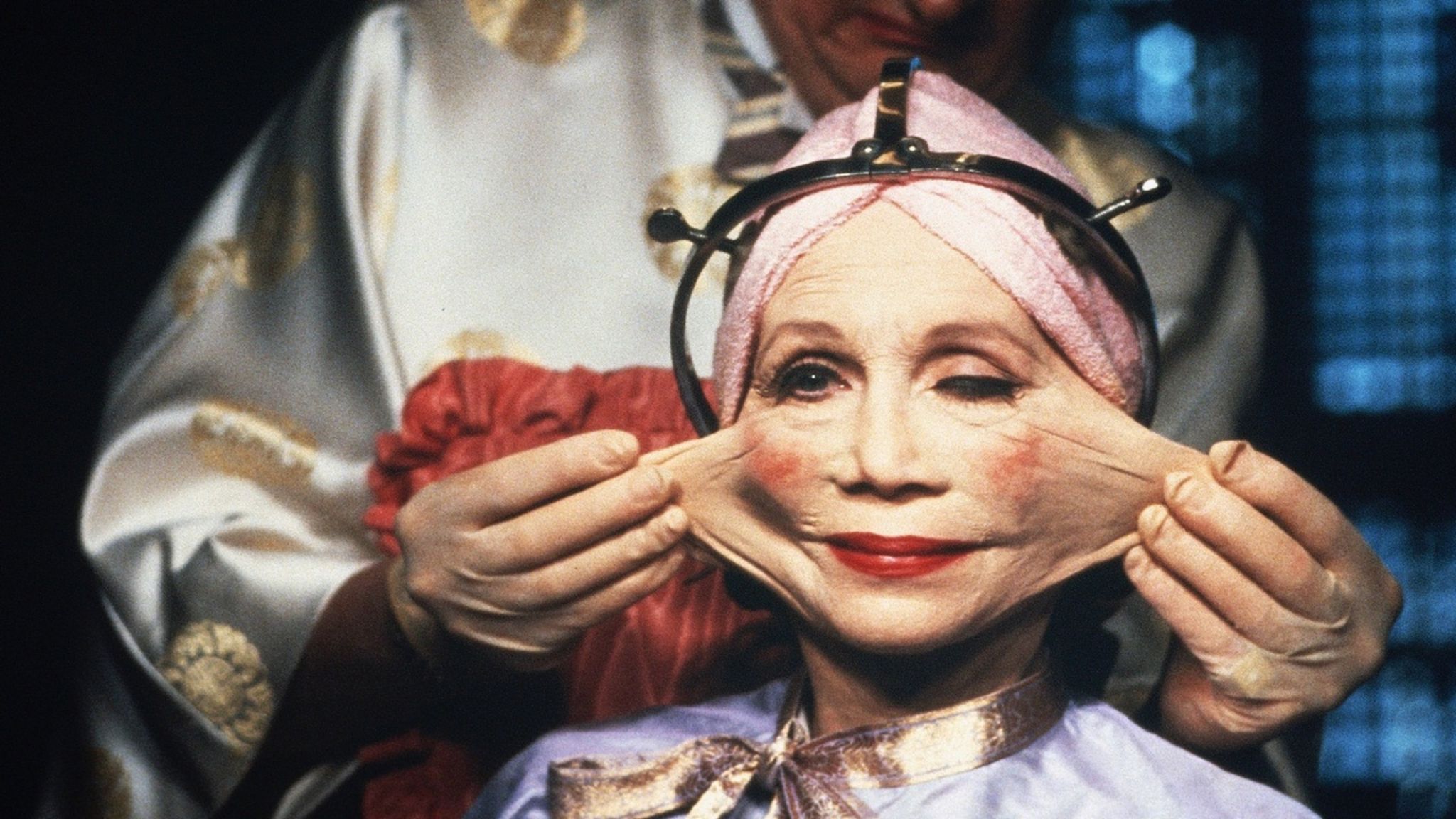
Gilliam is a difficult director to recommend cold. Brazil is a masterpiece and it is also a bureaucratic nightmare that ends exactly the way it has to end. The Adventures of Baron Munchausen is a financial catastrophe that happens to be beautiful. 12 Monkeys is a time-loop tragedy with no exit in it. Newcomers usually get handed one of those three, bounce off the tone, and conclude that Gilliam is not for them, when the actual problem is that all three assume a tolerance for chaos the viewer has not had a chance to build yet. They are the films of a director who expects you to have already agreed to the terms.
The Brothers Grimm is the closest thing in the catalog to a front door. It has the Gilliam texture, the mud and the candles and the faces, the sense that a frame might contain anything, and it hangs all of it on a two-handed buddy structure any viewer can follow. The director himself has been warmer about it than the reputation suggests. “Grimm is not a bad film. I really like a lot of it,” he said in a 2009 interview, adding that it was “not the film I could have made had I been in a more positive state of mind.” That is a filmmaker distinguishing between a compromised production and a bad movie, and the distinction is fair.
Twenty-one years on, that is the case for it. Not that the critics got it wrong, and not that a lost classic has been sitting there all along waiting to be defended. Just that a Terry Gilliam fairy tale starring two actors who traded parts so each could play against type is a considerably better night than its reputation promises, and that the version of Heath Ledger inside it does not exist anywhere else in his filmography. Everything else he left behind is heavier, and most of it is better. None of it is this loose. He went and asked for the part, which is the closest thing to a recommendation the film has. It is worth seeing what he did with it.
More Movies
-

Courtesy of The Walt Disney Company -

IMAGE COURTESY OF WARNER BROS.