The Hitman’s Bodyguard is the Ryan Reynolds movie that keeps getting left out of the conversation about Ryan Reynolds movies, and the word forgotten is doing some heavy lifting there. It opened on August 18, 2017, with Reynolds as Michael Bryce, a disgraced executive protection agent reduced to guarding low-value clients, and Samuel L. Jackson as Darius Kincaid, a contract killer Bryce has to deliver alive to a courtroom in The Hague. Patrick Hughes directed it for Lionsgate on a reported budget of around $30 million. It then did something nobody predicted, which is that it took the number one spot at the American box office for three consecutive weekends and held the top of the chart for seventeen straight days, losing it only when It arrived that September. For a mid-budget action comedy dropped into the last dead week of summer, that is close to the best case anybody could have drawn up on paper.
Videos by ComicBook.com
The honest version of this argument has to concede two things before it starts. The first is that word. A film that ran the table for three weekends and then resurfaced as a streaming hit in America eight years later is underrated rather than forgotten, and pretending otherwise invites the obvious correction. The second is the sequel, which is the reason a third film is a genuinely open question rather than a formality. The case for the franchise survives both, because there is one worth making: this is the only place in Reynolds’s filmography where he plays the man being humiliated instead of the man doing the humiliating, and nobody has built him a better use of it since. What follows is that case, then what actually happened to the sequel, and then what is genuinely known about a third. The short answer on that last point is not much, and it has been not much for a long time now.
Forgotten Is the Wrong Word for a Movie That Held Number One Three Weekends Running
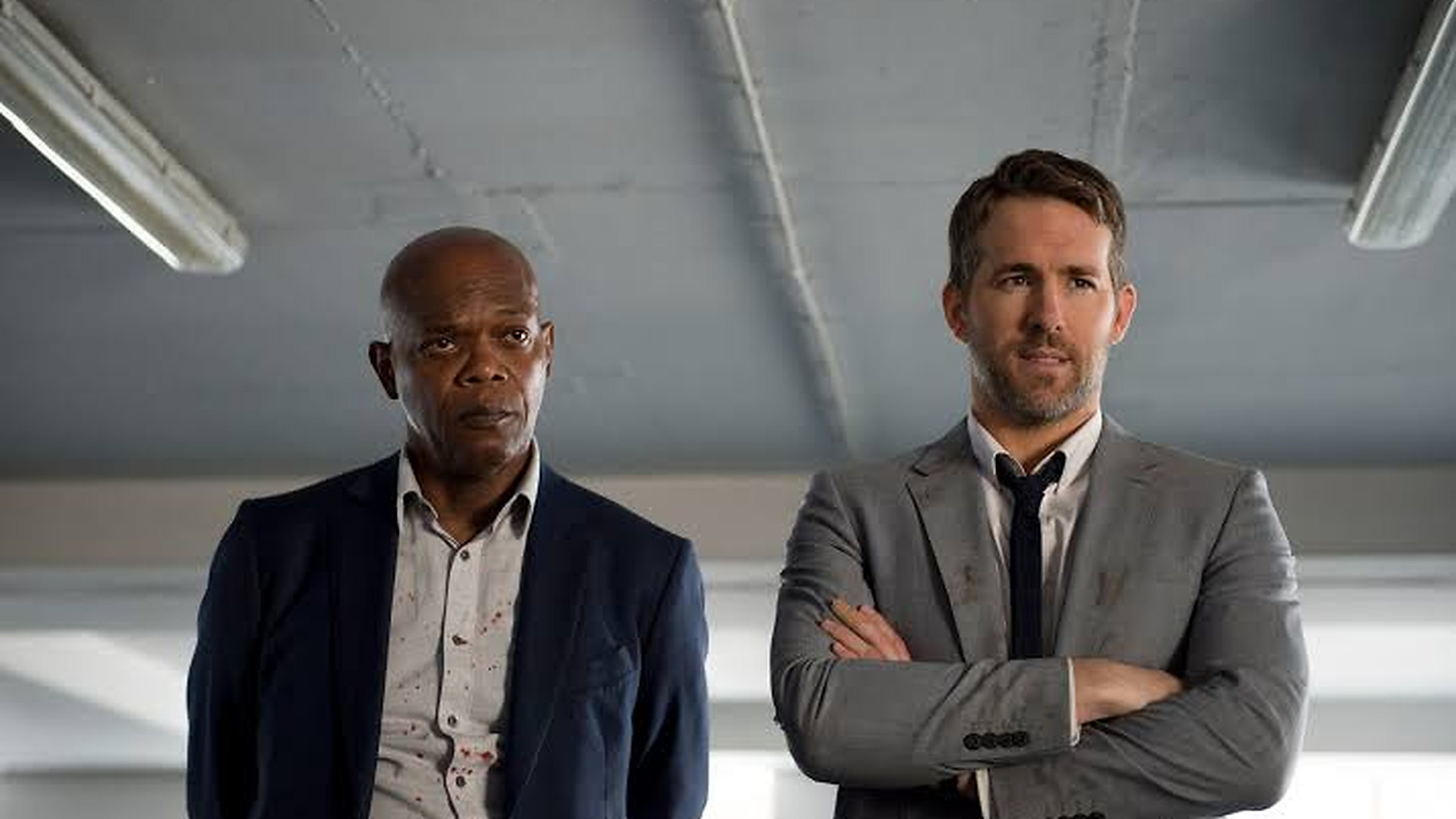
The run is the part that usually goes missing from the retelling. The film opened to $21.4 million and then simply refused to move, taking the top spot again in its second weekend and again in its third, for a cumulative $58 million across eighteen days at number one. It closed at $75.5 million domestically and $107.9 million overseas, for $183.4 million worldwide against that reported $30 million budget. The asterisk is real and better stated than hidden. Late August is the softest corridor on the release calendar, and trade coverage at the time pointed out that this was the lowest-grossing film to three-peat at number one in roughly seventeen and a half years. Winning a quiet month is still winning. It is just not the same thing as winning a loud one, and the distinction matters to how the film gets remembered. The previous holder of that particular record had managed it back in 2000, which gives some sense of how rarely the calendar lines up that way.
The second problem with the word is what the film has done since. It turned up among the most watched titles in the United States on Netflix during the summer of 2025, eight years after release, which is the behavior of a movie with a durable audience rather than a buried one. Reynolds has described it as a Hail Mary for his career, and in 2017 that framing made sense, because it landed between Deadpool and Deadpool 2 at a point when the question of whether he could open a film without the mask was still live. The reason the whole thing reads as forgotten anyway has almost nothing to do with the first movie. It is that the sequel arrived four years later and did enough damage to drag both of them down with it. By the time anyone went looking for the original again, it had been filed under the sequel’s reputation rather than its own, which is how a film that led the chart for the better part of three weeks ends up described as forgotten.
The Franchise Is the Only Place Reynolds Plays the One Losing
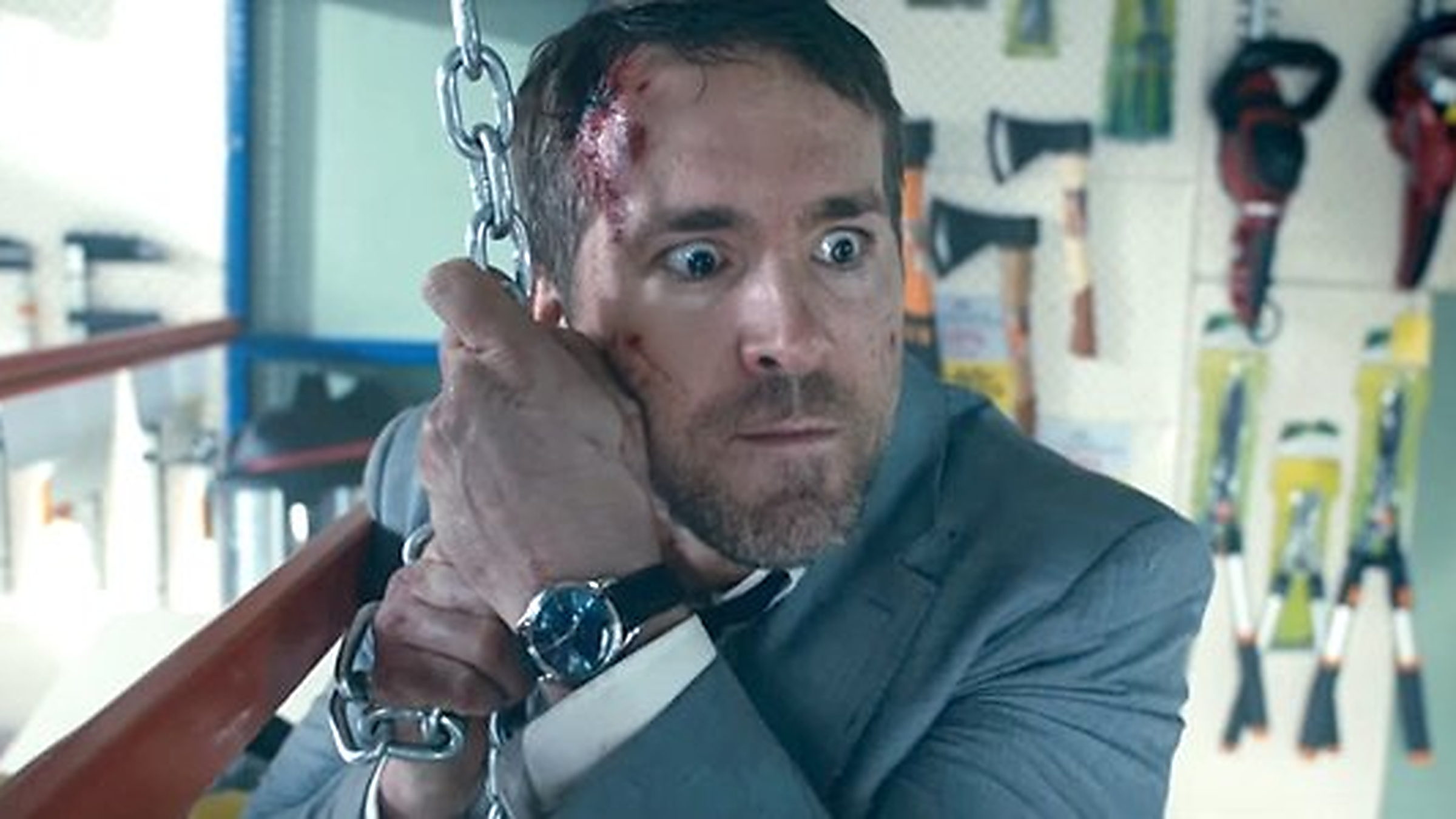
Here is the argument, and it is narrower than the headline suggests. In almost everything Reynolds is known for, he is the source of the chaos. Wade Wilson generates it. Guy in Free Guy stumbles into it and then becomes it. Nolan Booth in Red Notice runs on it entirely. Michael Bryce is the inversion. Bryce is a competence obsessive whose whole identity rests on a professional rating he no longer holds, and the comedy comes from watching an extremely uptight man be systematically degraded by somebody who could not care less. Jackson plays Kincaid as unbothered in a way that is genuinely funny rather than merely loud, and the structure only functions because Reynolds is willing to be the one who loses every single exchange. He does not get to do that anywhere else in his filmography. Even the Deadpool films, which are built on him absorbing an enormous amount of punishment, never once let him be genuinely outclassed by the person standing next to him.
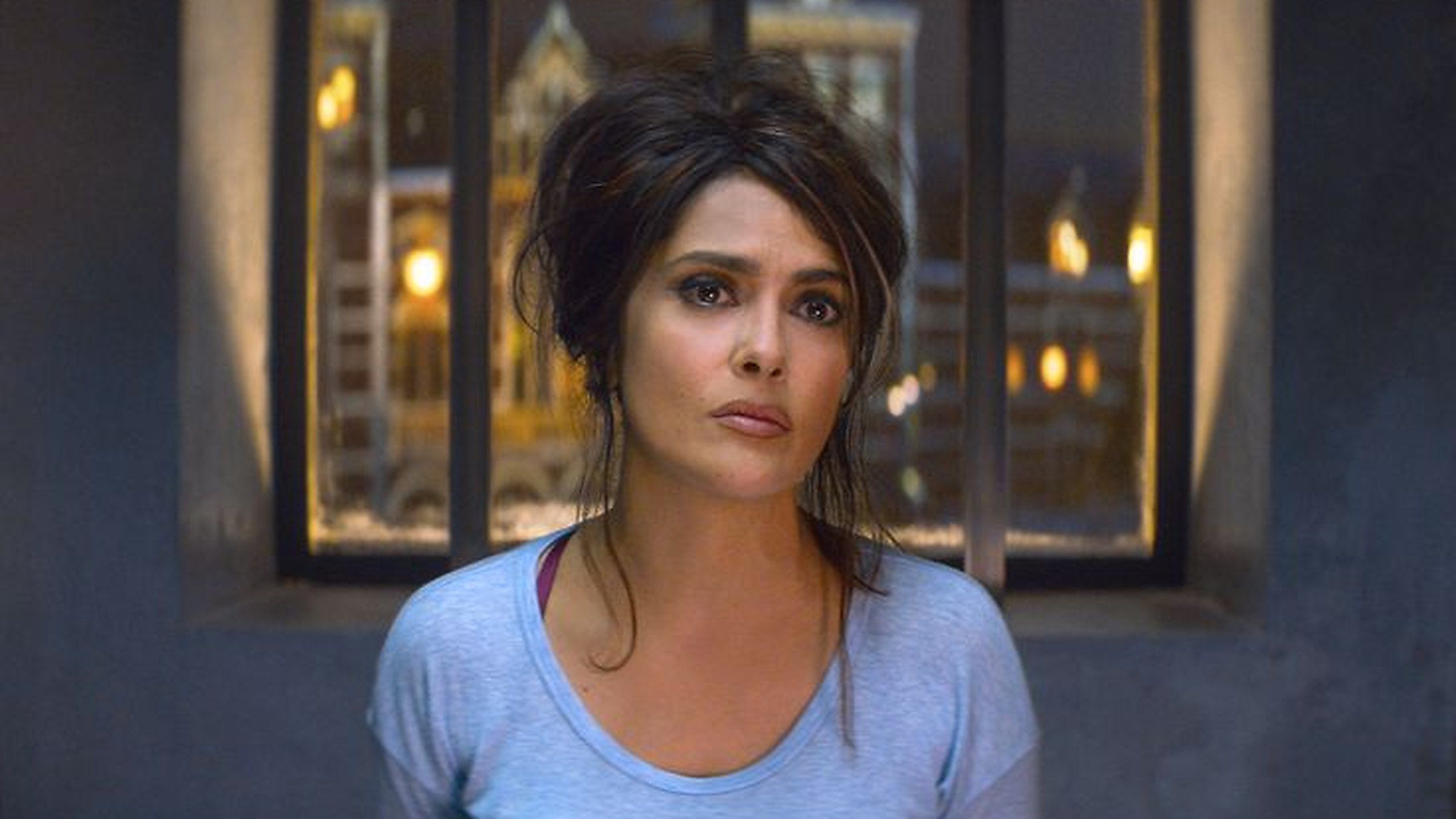
The director said the quiet part out loud. Asked about a possible third film in 2021, Patrick Hughes observed that the ending lends itself to more suffering for Bryce, that it could continue for eternity, and that he certainly loves watching Reynolds suffer. That is an unusual thing to say about your leading man and an accurate description of why the films work at all. There is a version of this franchise that amounts to two actors shouting at each other inside a car, and the first film sits close enough to that version to be honest about it, but the casting does the heavy lifting. Salma Hayek arrives as Sonia Kincaid and operates as a third destabilizing element rather than a love interest, which is a sharper use of her than most action comedies manage. She is not there to soften Kincaid. She is there to make him the second most difficult person in any given room, and the film is funnier for the demotion.
The Sequel Is What Actually Buried It
Hitman’s Wife’s Bodyguard opened on June 16, 2021, and the numbers tell the story without needing commentary. The budget climbed to $70 million, more than double the first film. The opening weekend came in at $11.4 million, roughly half. Domestic finished at $38 million and international at $29.4 million, for a worldwide total of $67.4 million, which sits under the production budget before a dollar of marketing is counted. A sequel that costs twice as much and earns a third as much is not a disappointment, it is a closed door. A June 2021 release into a theatrical market that had not recovered explains part of that, but it does not explain the shape of the reviews or the drop in the audience that had shown up three weekends running four years earlier. Lionsgate had effectively bet that word of mouth from the first film would carry a much bigger swing, and the bet did not land anywhere near the target.
This site’s own review gave it three stars out of five and landed somewhere specific, which is that the three leads had better chemistry together than the original pairing ever managed, with Hayek genuinely mediating between them, but that the script kept failing the performers and the action felt oddly restrained. That is a frustrating verdict rather than a damning one, and frustrating is worse here, because the pieces were all sitting on the table. Reynolds and Jackson had four years of familiarity behind them. Hayek had been promoted from a supporting turn to a lead. Hughes had double the budget. What came out was louder and less funny than the film that preceded it. The genuinely damaging part is not that the sequel failed. It is that it made the original look like a fluke to anybody who had never seen the original, and that is the impression this franchise has been carrying around ever since.
A Third Movie Has Been Silent for Five Years
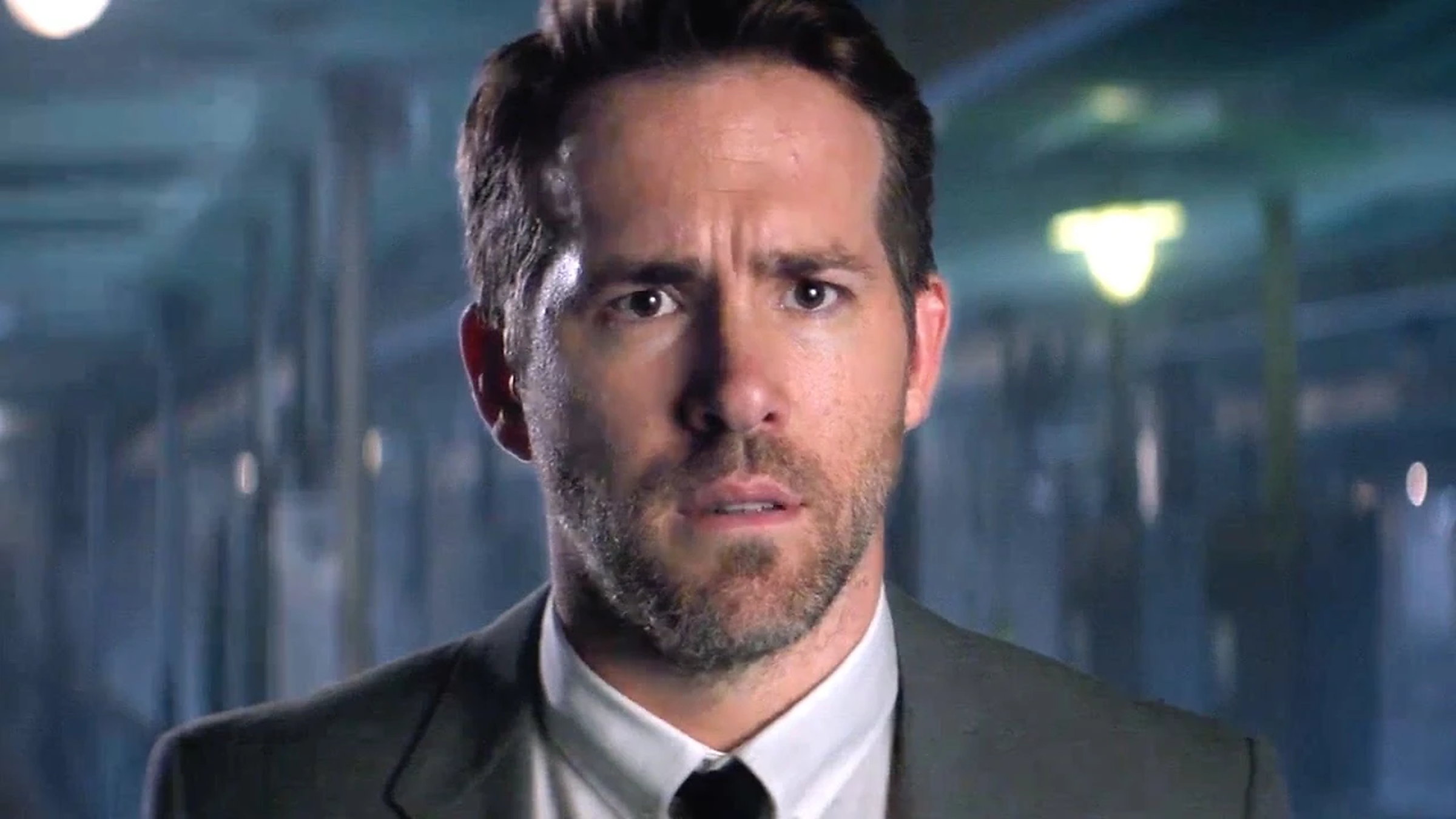
Everything anybody knows about a third film dates to June 2021, and the record is thinner than the internet makes it look. Hughes said that if there was potential to take it further, they would certainly pursue it, which is conditional language rather than an announcement. He also declined to name a cast addition on the grounds that doing so would reveal the plot. Hayek said she hoped it would happen and understood that one more person was being added to the ensemble. That is the whole of it. No trade reporting has followed in the years since, no director or writer is attached, no studio has committed, and Hughes’s own upcoming slate does not include it anywhere. One thing worth knowing before somebody sends you a link: convincing-looking trailers for a third film are circulating, and they are machine-generated fakes. No studio has released a single frame of a third film, for the straightforward reason that there is no third film to release frames from.
The obstacle is not really enthusiasm, it is arithmetic and a calendar. A franchise whose second entry failed to earn back its budget does not get a third instalment on goodwill alone, and Reynolds is booked solidly enough that no obvious window exists for one. Avengers: Doomsday arrives in December 2026, Animal Friends follows in January 2027, Welcome to Wrexham is renewed well beyond that, and he confirmed in July 2026 that another Deadpool film is coming eventually. None of that rules a third film out permanently. It does mean the accurate phrasing is that nobody has ever formally killed it, which is a considerable distance from it being on the way. Jackson has kept the relationship going in public, which is not nothing, but public affection is not development. The first film remains the best use anyone has found for him, and that holds whether or not a third one ever gets made.