Game of Thrones spent eight seasons and 73 episodes teaching a generation of viewers that a fantasy show could be the biggest thing on television, and then spent its final stretch teaching them something considerably less welcome, which is that an ending can undo a great deal of what came before it. The arguments about that last season have not stopped in the years since, and they will not, because the show was big enough that everyone who watched it has a theory about where it went wrong. What tends to get lost in those arguments is that the problem was not dragons, or fantasy, or ambition, or even the scale of the thing. Plenty of shows in the same genre, working with the same creatures and a fraction of the budget, managed to finish the story they started, on schedule and on purpose. Some of them are animated, some are subtitled, and none of them had a tenth of the money, which turns out to have mattered a great deal less than knowing where the ending was.
Videos by ComicBook.com
Dragons in particular have a strange track record on television. They are expensive, they are difficult to write around without making every problem solvable by fire, and the shows that lean hardest on them tend to be the ones that run out of road first. Which makes the handful that actually landed worth pointing at, because each of them solved a problem Game of Thrones could not. One of them was engineered from the start to hand off into a film. One adapted a manga its own earlier anime had abandoned halfway through. One ran seven seasons and then closed its saga on purpose. One told a complete story in 13 episodes and then stopped, which is the oldest trick available and still the most reliable. What connects all four is not quality exactly, though they are good, but intent. Each one was built with its final destination already decided, and each one got there without having to invent a reason to keep going.
4) Record of Lodoss War

The shortest entry here by a wide margin, and the one that makes the strongest case for restraint. Record of Lodoss War ran 13 episodes between 1990 and 1991 as a direct-to-video series from Madhouse, and it is the show that taught a generation of anime studios what Western-style high fantasy looked like in animation. Swords, elves, a party of adventurers, a map that matters, and a dragon in the very first episode. It was built out of tabletop roleplaying sessions, which is why it moves the way a good campaign moves, and why it never feels obliged to pad.
The dragons here are not set dressing. The ancient ones, Shooting Star and Narse among them, guard the treasures the whole plot is circling, and they are still load-bearing when the story reaches its climax. What matters for this list is the shape of the thing: 13 episodes, one story, a real conclusion, and then nothing. Nobody had to write around a cancellation or stretch a second act across three more seasons. The complete series streams on Crunchyroll in both subtitled and dubbed versions, which makes it the easiest weekend commitment on this page by a distance, and the most likely to leave a viewer wishing more shows had the confidence to stop.
3) Dragon Quest: The Adventure of Dai
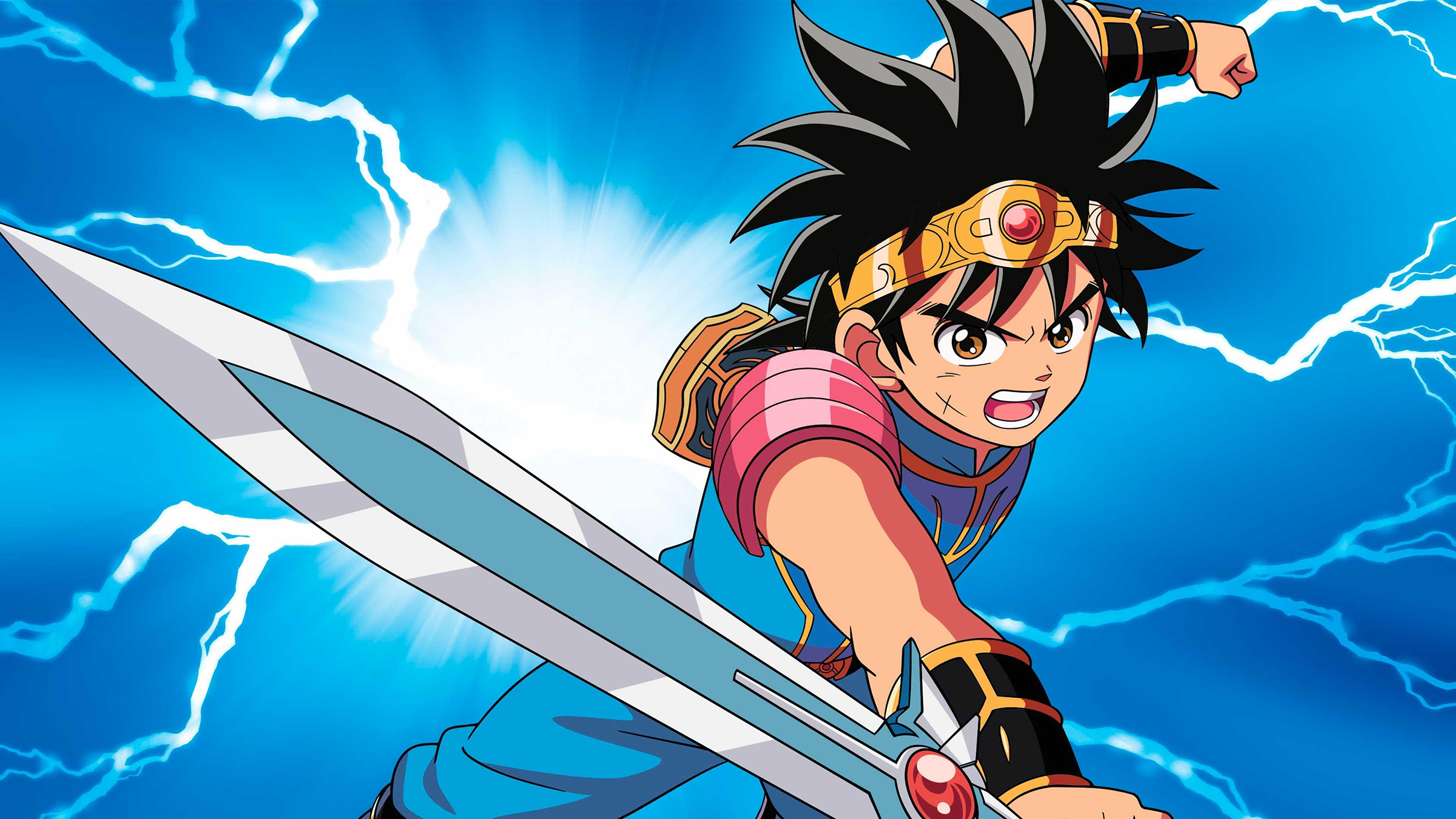
There is a specific kind of ending that only works if you know the history, and The Adventure of Dai has one. The manga was adapted into an anime once before, in 1991, and that version was abandoned partway through, leaving the story unfinished for the better part of thirty years. The 2020 series, which ran 100 episodes from October of that year through to October 2022, went back and adapted the whole thing. Every arc, all the way to the end. For anyone who grew up with the first attempt, the finale is not just a conclusion, it is a debt being paid.
Dai himself is a Dragon Knight, and the dragon lineage running through him is the source of his power rather than a costume detail, which puts the dragons closer to the center here than in most shonen fantasy. The show is unapologetically a hero’s journey built on a video game, and it never pretends otherwise, but it commits to that shape completely and it does not flinch at the end. The hero’s final act costs him something real. The series streams on Crunchyroll and Hulu, and the 100 episodes move faster than the number suggests, partly because the story has a destination and never loses sight of it.
2) DreamWorks Dragons
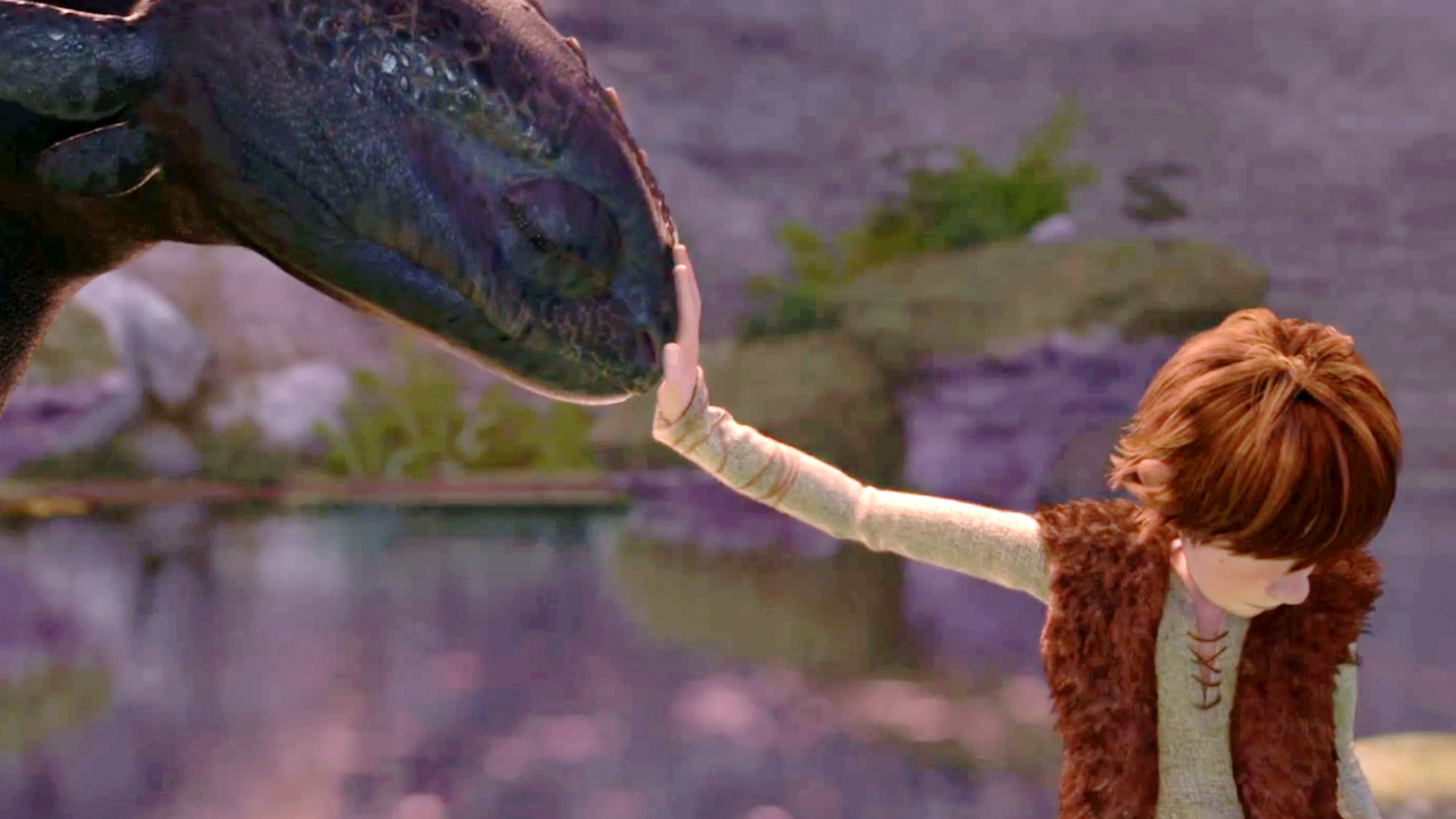
With 118 episodes across three named runs, this is both the longest entry and the most dragon-saturated show on the list by an enormous margin. Riders of Berk and Defenders of Berk ran 20 episodes each on Cartoon Network between 2012 and 2014, and Race to the Edge added 78 more across six seasons on Netflix through to February 2018. Toothless is not a mascot here, he is a co-lead, and the series spends years building out dragon taxonomy, dragon training, dragon conservation and the mechanics of the Dragon Eye with a seriousness the films never had room for.
What makes it belong on this particular list is that the ending was the destination rather than a stopping point. Race to the Edge was designed as a bridge between the first How to Train Your Dragon film and its sequel, and the finale hands off directly into the second movie, complete with the arrival of Drago Bludvist. It ended because it arrived where it was always going. One practical note before anyone queues it up: the show is split across services. The 78 Race to the Edge episodes are on Netflix, while the earlier 40 sit on Peacock, so the full run takes two subscriptions and a little patience with the order.
1) The Dragon Prince
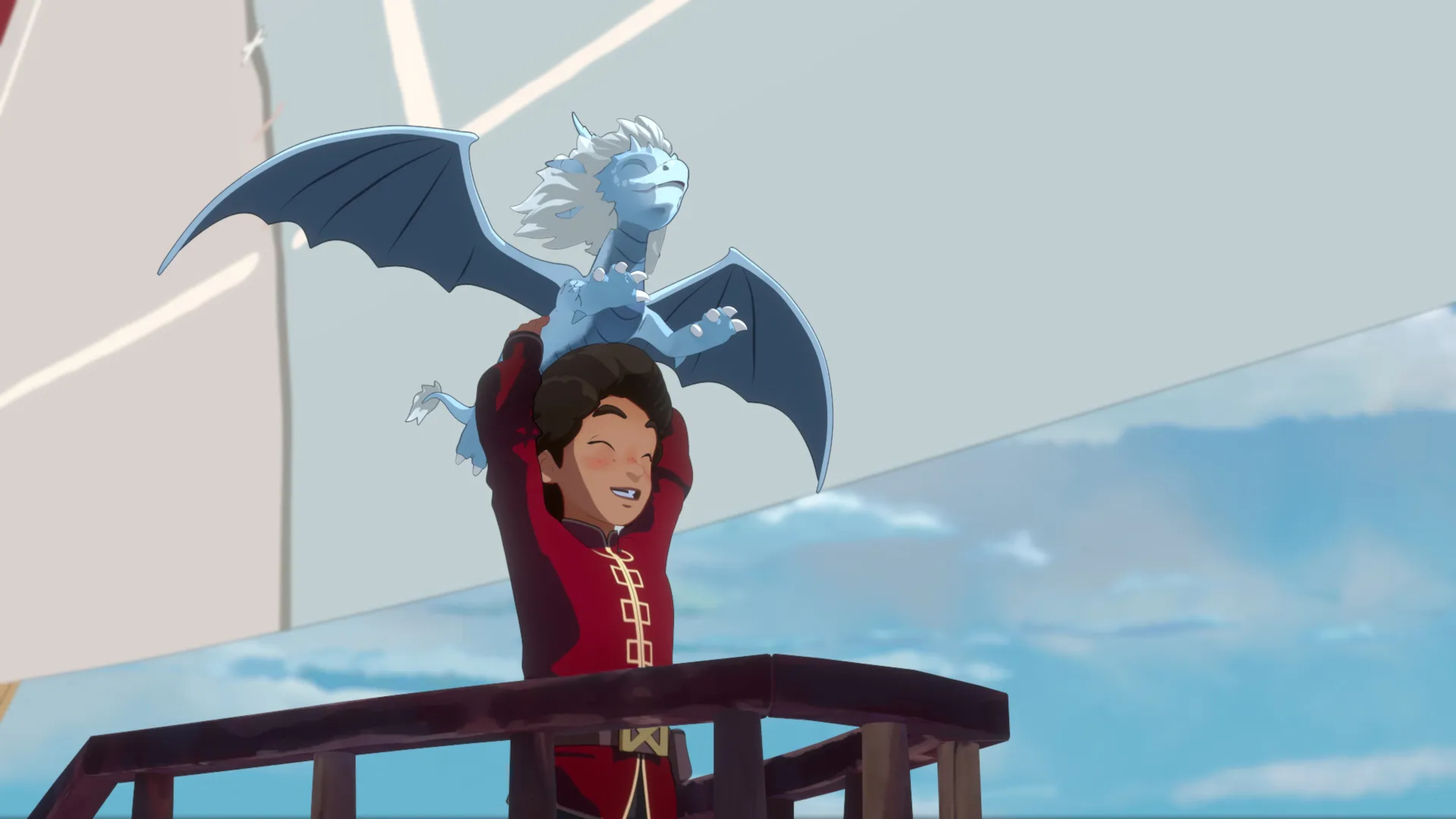
If any show on this list is the direct structural answer to Game of Thrones, it is this one. The Dragon Prince ran seven seasons of nine episodes each between September 2018 and December 2024, which is 63 episodes of multi-season epic fantasy about warring kingdoms, a contested throne, magic with a moral cost, and dragons that are characters rather than weapons. The Dragon King, the stolen egg that becomes Prince Azymondias, and the Dragon Queen are the spine of the whole thing. It is the most critically well regarded of the four, and its final season held up rather than collapsing.
It is also the entry that requires the most honesty. Netflix and the creative team framed season seven as the conclusion of the saga, and the central conflict does resolve, but the ending is open-ended by design. A further three-book arc was planned and has not been greenlit, so some threads are left deliberately loose. That is a meaningfully different thing from a show fumbling its landing, though, and it is the distinction the whole list turns on. The Dragon Prince knew what its ending was for, and built toward it across all seven seasons rather than arriving at it in a hurry. All seven are on Netflix.
Got your own dragon/fantasy show to recommend to our readers? Let us know your picks in the comments.
More TV Shows
-

Sam and Dean Winchester in Supernatural looking out a window.