Before movies made it onto VHS, DVD, or home streaming platforms, they had the chance to make it to general TV audiences. However, networks had stricter rules about what could be aired. To play it safe, networks had all sorts of ideas about how to make R-rated movies suitable for a general audience. Sometimes that meant removing a few swear words. Other times, somebody apparently decided the original filmmaker had made a few questionable creative decisions that needed fixing.
Videos by ComicBook.com
The results could be downright bizarre, outright hilarious, and surprisingly entertaining. It was hard to predict what you’d get. Characters suddenly had new backstories, entire scenes appeared out of nowhere, and some movies ended in ways their directors probably never imagined. The 1980s produced some particularly strange examples, including a few science-fiction classics that received television versions almost as peculiar as the movies themselves. These five movies demonstrate just how random television editing could get.
5) The Thing (1982)
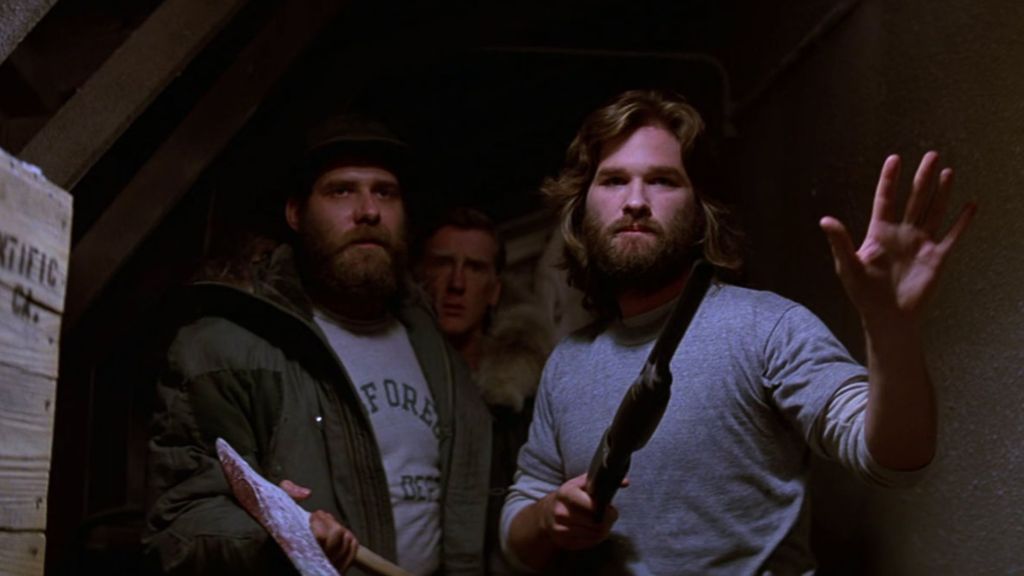
John Carpenter’s The Thing is already a pretty unpleasant movie to watch if you don’t particularly enjoy the idea of an alien creature turning people into walking nightmares. The 1982 horror classic follows a group of researchers at an Antarctic outpost as they discover that something among them can imitate human beings. Trust becomes impossible, paranoia takes over, and things get increasingly disgusting. It’s a terrific movie, but apparently somebody at Universal thought television audiences needed a little extra help understanding what was going on.
The television version added voiceover introductions explaining who each character was before their appearances. Imagine watching Carpenter’s atmospheric horror movie and suddenly hearing somebody explain the cast like they’re introducing contestants on a game show. The changes didn’t stop there. The TV edit also altered the impact of the ending, making an already unsettling conclusion considerably less effective. Carpenter spent the entire movie keeping audiences guessing about who could be trusted. The television version seemed determined to make sure nobody missed a thing. It’s a fascinating example of how a few seemingly harmless additions can take away much of what makes a movie work.
4) Videodrome (1983)
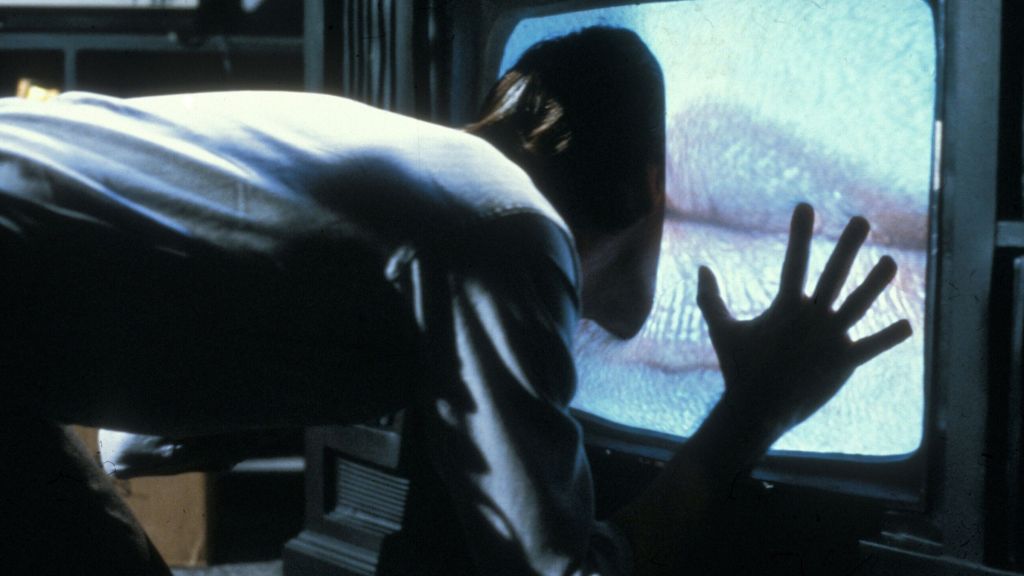
David Cronenberg’s Videodrome is one of those movies that probably didn’t need any help becoming strange. James Woods plays Max Renn, a television executive who discovers a disturbing broadcast featuring extreme violence. His fascination with the program leads him into a world of hallucinations, body horror, and increasingly bizarre questions about the relationship between television and reality. It’s a deeply unsettling movie, and Cronenberg wasn’t particularly interested in making its ideas easy to digest. Naturally, the television version decided to have a go anyway.
The MCA television edit made some extraordinary changes, including adding new material that substantially altered the story. Debbie Harry’s character became more important to the plot, additional dialogue introduced the American military as the force behind Videodrome, and the ending included a voiceover explaining that the whole thing was a political thriller. It also concluded with a camera moving across a strange illustration while dialogue from the movie played again. That’s quite a way to finish a David Cronenberg film. The original Videodrome leaves audiences wrestling with what they’ve just witnessed. The television version apparently preferred to explain everything, then give viewers an illustration to look at while it did so.
3) Dune (1984)
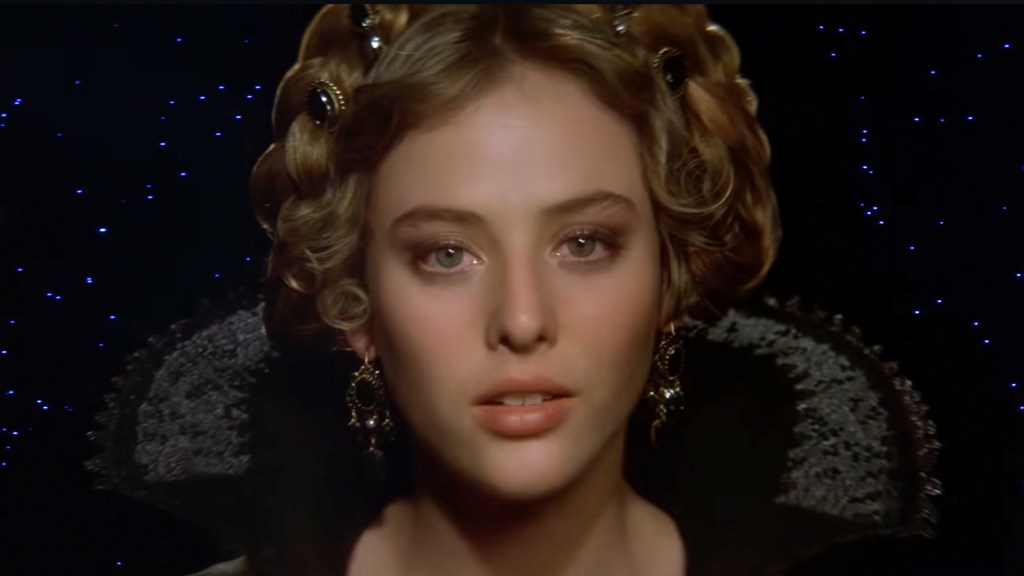
David Lynch’s Dune had a difficult enough journey to theaters without somebody deciding it needed another overhaul. Released in 1984, the science-fiction epic attempted to bring Frank Herbert’s famously complicated novel to the screen. Kyle MacLachlan played Paul Atreides, a young nobleman caught up in an enormous political struggle over the desert planet Arrakis. There were rival families, mysterious religious orders, giant sandworms, and enough unfamiliar terminology to make keeping track of the story a full-time job. Universal apparently decided television audiences needed considerably more explanation.
The syndicated television version arrived in 1988 and added an almost 20-minute introduction featuring illustrations and extensive narration explaining Herbert’s universe. It also incorporated additional footage and material that hadn’t appeared in the theatrical release. Lynch was so unhappy with the result that he disowned the television version, and the director’s credit was changed to Alan Smithee. He even used the pseudonym Judas Booth for the writing credit. That’s not exactly a subtle way of expressing disappointment. The whole situation is particularly unfortunate because Lynch’s Dune was already struggling to condense an enormous novel into a manageable movie. The television version somehow made the experience even more complicated. If you’ve ever wondered what happens when a studio tries to explain David Lynch to television audiences, this is probably the answer.
2) Repo Man (1984)

Alex Cox’s Repo Man is already one of the strangest science-fiction movies of the 1980s. Emilio Estevez plays Otto, a young punk who finds himself working for a group of car repossession agents in Los Angeles. Their latest target is a Chevrolet Malibu with something extremely unusual in its trunk. The movie combines punk rock, government conspiracies, bizarre characters, and a healthy amount of absurdist humor. It’s the sort of film that doesn’t seem particularly interested in following anybody else’s rules. Which makes its television version especially entertaining.
The famous replacement line “Flip you, melon farmer!” has become one of the best-known examples of television censorship. But here’s the twist: director Alex Cox actually supervised the recut and dubbing himself. According to the British Film Institute, he even managed to restore two scenes that had been removed from the original theatrical version. One features Harry Dean Stanton’s character smashing up a phone booth with a baseball bat. The other includes a wonderfully strange exchange about vending-machine food containing all the nutrients necessary for survival. So, unlike most of the movies on this list, Repo Man actually gained something from its television treatment. The replacement dialogue is hilarious, the restored footage is welcome, and Cox somehow turned a routine television edit into another excuse to make his movie even weirder.
1) Prince of Darkness (1987)

John Carpenter returned to supernatural horror with Prince of Darkness, a movie about a mysterious container holding something that probably should have stayed buried. Donald Pleasence plays a priest who discovers that a secret religious order has been guarding an ancient evil beneath a Los Angeles church. When a group of scientists arrives to investigate, they quickly discover that whatever is inside the container is considerably more dangerous than they expected. It’s an appropriately strange Carpenter movie, with plenty of unsettling imagery and an atmosphere that gets under your skin.
The television version, however, made one particularly enormous change to the story. Rather than simply removing material that wouldn’t be suitable for broadcast, the edit was reworked to make the entire film appear to have been a dream experienced by the protagonists. Think about that for a moment. An entire supernatural horror story, complete with its escalating nightmare and apocalyptic implications, suddenly becomes something the characters apparently imagined. It’s difficult to think of a more effective way to undermine the atmosphere Carpenter spent the entire movie building. There are plenty of strange television edits from this period, but changing the apparent reality of an entire film is taking things to another level. Apparently, even an ancient evil wasn’t safe from television executives with editing equipment.
More Movies
-

Image Courtesy of Sony