The release of Phantom Blade Zero comes with many pros and cons, with players praising the game’s visuals, but criticizing the simplicity of its mechanics. Despite having Wuxia-inspired combat systems, Phantom Blade Zero doesn’t offer a lot of variety in its action, instead relying on straightforward auto combos, dodges, and parry systems you see in many other titles in the genre. Compared to Onimusha: Way of the Sword, another brilliant 2026 action game, both games approaches set them up for vastly different audiences.
Videos by ComicBook.com
At first glance, both Onimusha: Way of the Sword and Phantom Blade Zero have similar gameplay, demanding that players fight off enemies by timing their attacks to exploit windows in opponent defenses. Either game has players parry or dodge incoming strikes, before unleashing a series of attacks on their own to whittle down a boss’ health or reduce enemy numbers in a crowd. However, Phantom Blade Zero is often labeled as easy, at least when you start looking into the philosophy behind its action design in contrast to Onimusha.
Onimusha: Way of the Sword Builds Defensive Mechanics While Phantom Blade Zero Emphasizes Offensive Ones
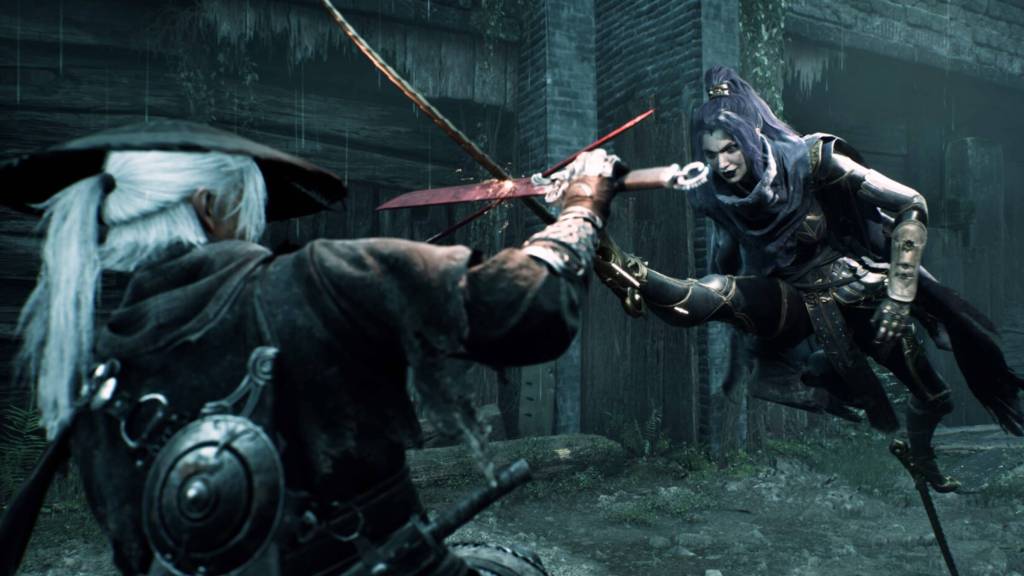
The biggest difference between Onimusha and Phantom Blade Zero comes down to each game’s combat philosophy — the Capcom game emphasizes defense, while the S-Game Studio title encourages offense. The aggressive style of combat in Phantom Blade Zero demands more player actions at a given moment than enemies can pull off, especially as you gain more weapons and abilities throughout your journey. Most of the time, the combat skills in Phantom Blade Zero are accompanied by forgiving combat design, with offensive options being vast, varied, and always powerful. Other factors like forgiving checkpoint areas and no enemy respawns have also contributed for the game’s “easy” label.
Meanwhile, Onimusha: Way of the Sword has far more defensive mechanics, with attacks not compartmentalized in a list of available combos, but rather relegated to simple Light or Heavy strikes. These basic attacks are extremely one-dimensional, because the core of Onimusha‘s combat lies in how you react to enemies rather than enforcing your techniques onto them constantly. For example, in Onimusha, your attack could trigger a Blade Lock if you strike at the same time as an enemy, putting you into a guessing game. You have to press Light or Heavy attack based on a follow-up flash during the Blade Lock, with a correct answer leading to a tight counter that puts you at an advantage.
Unlike in Phantom Blade Zero, where you can dodge and parry endlessly with large defensive windows, Onimusha actively punishes you for relying on one system too much. Should you block without attacking back in Onimusha, your guard will eventually break, leaving you vulnerable. That being said, this also applies to enemies, leading to strategic thinking compared to simply overpowering your foes with a relentless assault. Other features like deflecting strikes with perfect timing, Reflex doges to evade grabs, and the build-up of Blaze State also add depth to Onimusha‘s combat, but one feature makes it truly stand out from Phantom Blade Zero.
Phantom Blade Zero’s Auto Combos Don’t Grant as Much Depth as the Issen Mechanic in Onimusha

While you could argue that Onimusha and Phantom Blade Zero share similar features despite Onimusha‘s greater depth, there’s one mechanic that sets the Capcom game apart by a country mile. The Een, or Issen, is a mechanic in Onimusha: Way of the Sword that acts as a high risk, high reward defensive command that grants players a true mastery over the game’s combat. Similar to the parrying system of Sekiro: Shadows Die Twice, the Issen only activates when you press an attack input the moment before an enemy strike hits you. Doing this not only evades the incoming strike, but also unleashes a move that deals heavy damage, drops extra souls, and can be chained into even stronger retaliation options.
Consecutive Chain Een slashes can deal massive Stamina damage to enemies and bosses, and exists for enemies to use against you too. This turns every combat encounter into a test of skill to see if you can pull off a perfect Issen based on enemy attack timing. This makes each mission and encounter of Onimusha unique, as the Issen constantly changes based on who you are fighting. Compared to Phantom Blade Zero, whose stylish gameplay never changes too much, even the upgrades and passive skills acquired in that game aren’t nearly as dynamic as the evolving Issen.
Split-Second Decision Making Makes Onimusha’s Action More Enjoyable & Dynamic Over Time
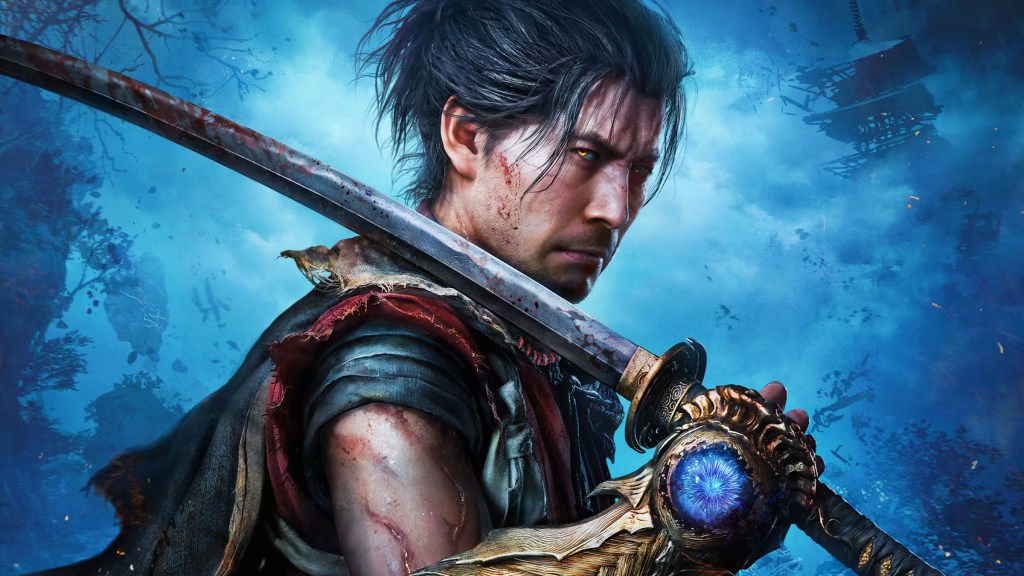
Many players have complained that Phantom Blade Zero‘s action grows stale fast, because even as it opens up, the core combat loop remains the same as when you started. By comparison, Onimusha: Way of the Sword is constantly demanding new interactions through the Issen mechanic, in the same way that a game like Dark Souls requires players to adapt to growing threats. The defensive approach of Onimusha makes players engage with the minute parts of combat at every step, causing you to choose between what actions you’ll take. The split-second choice between a Parry, Dodge, Block, or Issen attempt all have different benefits, supporting unique styles of play.
You could be someone that masters a standard Parry, or be a risk-taker and try to go for an Issen more often than other techniques. At the same time, deflects might be more your speed, but you’ll engage with every mechanic at some point based on how relying on one too often can risk your stamina or guard. The linear nature of Phantom Blade Zero‘s combat is easier to understand, but Onimusha: Way of the Sword embraces an action game foundation that is arguably more enjoyable, as it promotes player creativity and skill expression frequently.
What do you think of Phantom Blade Zero‘s combat in comparison to Onimusha: Way of the Sword‘s? Let us know in the comments below!
More Gaming
-

Image Courtesy of ComicBook -

Image courtesy of Skydance New Media and Marvel Games