Phantom Blade Zero looked like one of the most interesting and engaging action games ever since it was first revealed. But what sealed it as a must-play for me was that it was not a soulslike, as many games like this turn out to be, including Wuchang: Fallen Feathers, which I did love. Instead, it merely borrowed elements of FromSoftware’s iconic formula and combined it with another genre I love: Metroidvanias. Phantom Blade Zero establishes its own identity through fast-paced combat, interconnected environments, and a constant sense of discovery that makes every new area worth exploring.
Videos by ComicBook.com
I’ve spent countless hours playing Metroidvanias, and attempted many more hours trying to complete soulslikes. I love both genres for different reasons, just as they scratch different itches. Soulslikes often prove too challenging for me to complete, but I love the lore and worldbuilding they offer. Metroidvanias reward my curiosity and deliver addicting platforming. Phantom Blade Zero manages to deliver both experiences without fully committing to either genre. After spending time with the game, I’ve come away convinced that developer S-Game has found an excellent formula for an action RPG, one that deserves attention from fans of both genres.
Phantom Blade Zero Takes the Best Parts of Soulslike Combat Without Becoming One

The most apparent thing about Phantom Blade Zero is how good and stylish the combat is. It feels familiar to a soulslike, but S-Games have taken a wildly different direction. Enemies require learning patterns, defensive timing matters, and charging into every encounter without understanding an opponent’s attacks can quickly lead to punishment. These are qualities I associate with games like Sekiro: Shadows Die Twice and Lies of P. However, Phantom Blade Zero doesn’t emphasize the same deliberate pace. Its combat is faster, more fluid, and built around maintaining offensive pressure rather than patiently waiting for an opportunity to strike.
This is most obvious when chaining attacks together, because Phantom Blade Zero effectively lets you parry mid-combo, embracing the martial arts-inspired swordplay. The elaborate animations and combinations make encounters feel like choreographed action sequences. Combat has an incredible sense of spectacle, but it isn’t just for show, because you still need skill to keep Soul alive. Reading enemy movements, responding to incoming attacks, and knowing when to commit to an offensive sequence is just as important as in soulslikes.
What I appreciate most is that Phantom Blade Zero doesn’t seem interested in copying the difficulty FromSoftware has made popular. You don’t have to fight through the same enemies after resting, and bosses don’t require you to fight each stage again after losing. That makes the experience so much more appealing for players like me who don’t have the skill or time. Overwhelming difficulty certainly has its place in the genre, but it is nice to see a game embrace soulslike qualities without going too far.
Phantom Blade Zero’s Metroidvania Exploration Makes Its World Worth Revisiting
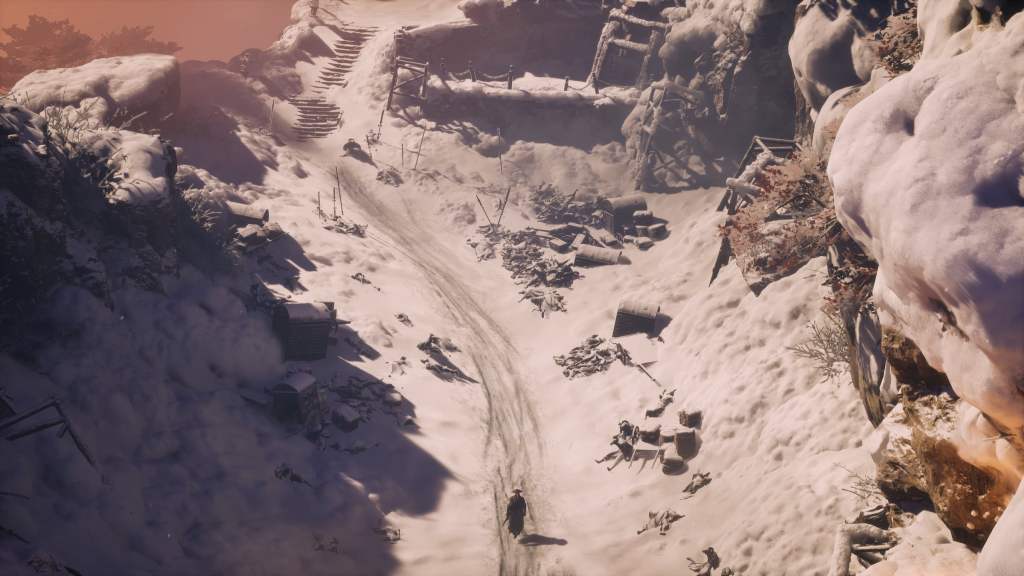
While the combat initially grabbed my attention, the Metroidvania-inspired exploration has become one of my favorite aspects of Phantom Blade Zero. Its world isn’t a traditional open-world environment, nor is it a series of completely disconnected levels. Instead, S-Game has constructed eight interconnected regions filled with hidden passages, optional encounters, and locations that players cannot immediately access. Some of these require items, others are opened by weapons and attacks gained from bosses, and some are placed early on as reminders that you aren’t invincible.
This feels so similar to soulslikes, but even closer to games like Super Metroid and Hollow Knight. Phantom Blade Zero doesn’t just use these for exploration, but connects them to combat as well. One tool may help you leap across gaps and can also be used to strike multiple enemies in battle. Acquiring new equipment helps you in so many ways. Rather than simply becoming stronger, players gain additional ways to explore. It also gives boss encounters an additional purpose, since defeating an enemy can unlock entirely new opportunities outside combat.
Many gamers do not like backtracking, but this is one of the best appeals of Metroidvanias. I love returning to new areas and unlocking secrets I couldn’t before. Phantom Blade Zero mostly accomplishes this with its environments, rewards, quests, secret encounters, and more. This is the progression I enjoy, and I am glad that Phantom Blade Zero has leaned so heavily into Metroidvania elements. The creative choices from S-Games have established a clear frontrunner for the best action game of 2026.
Phantom Blade Zero Proves Action RPGs Don’t Need to Fit a Mold
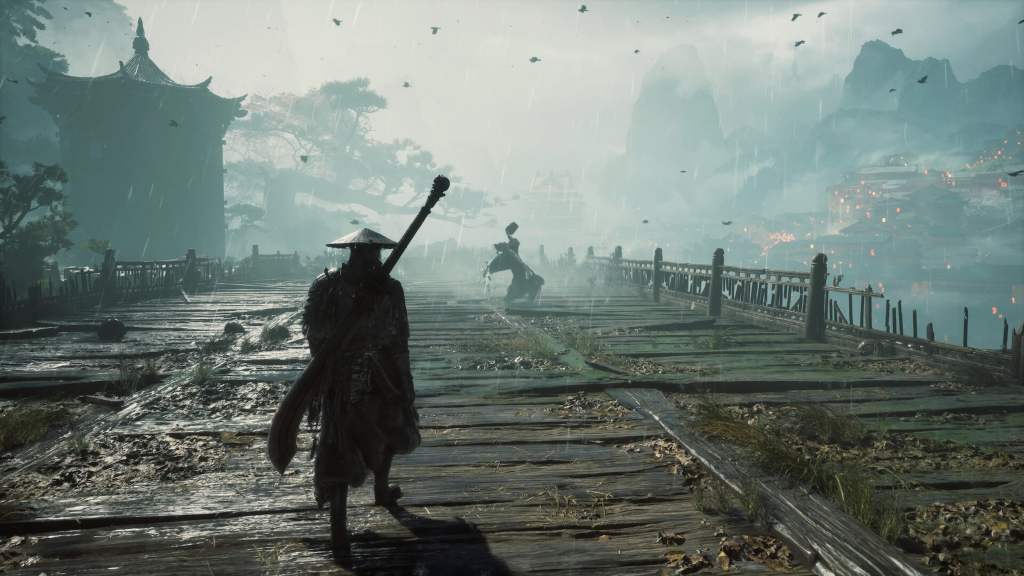
Perhaps Phantom Blade Zero’s greatest achievement is how it combines all these designs and philosophies. Soulslike influences appear in its challenging bosses, interconnected environments, and emphasis on learning enemy behavior. Metroidvania mechanics encourage exploration and returning to previous areas, while its combat draws heavily from character-action games. Even aside from this, the game heavily encourages experimentation with over 30 weapons and various Phantom Edges to choose from. Upgrades can even be undone to easily try out different builds.
The world itself gives those mechanics an equal setting, even if the story feels familiar. Soul is a swordsman framed for murdering his master, with only 66 days remaining to live. Phantom Blade Zero fills this time with a dark martial arts world filled with conspiracies, supernatural threats, and tragic characters, all brought to life with S-Games’ signature Kungfupunk aesthetic. Everything comes together perfectly to create a beautiful and engaging Wuxia game, both visually and fundamentally.
After playing Phantom Blade Zero, I’d rate it amongst the best action games I’ve played. It understands why Soulslike combat is satisfying, why Metroidvania exploration remains so compelling, and why fast-paced action games are so beloved. It doesn’t allow itself to get caught up in any one thing, nor does it spread itself too thin. Phantom Blade Zero shows that innovation doesn’t always require inventing completely new systems and can be accomplished by taking successful elements and blending them into something extraordinary.
More Gaming
-

Courtesy of Rockstar Games -

Courtesy of Pearl Abyss -

Courtesy of Rockstar Games