The PlayStation 2 remains one of the greatest video game consoles ever made, and its library is filled with classics that still hold up. While modern games boast photorealistic graphics, advanced lighting, and massive open worlds, the PS2 era’s visual design still feels special. Developers had to work within considerable hardware limitations, often relying on creative art direction to bring their worlds to life. For some, this meant pushing the console to its limits, while others embraced distinctive art styles that have aged well throughout time. Even today, many PS2 games look better than you’d expect.
Videos by ComicBook.com
Impressive graphics are only part of what makes these forgotten PlayStation 2 games worth revisiting. Many introduced fascinating worlds, memorable characters, and gameplay mechanics that could benefit tremendously from modern hardware. Unfortunately, not every ambitious game became a successful franchise. Some struggled commercially, others received mixed reviews, and a few simply disappeared as their developers moved on to other projects. Considering how good some of these games are, it is so frustrating that we never saw sequels. As developers remake and revisit games, it makes one wonder what could have been done with sequels to these fantastic-looking games 20 years later.
4) Primal
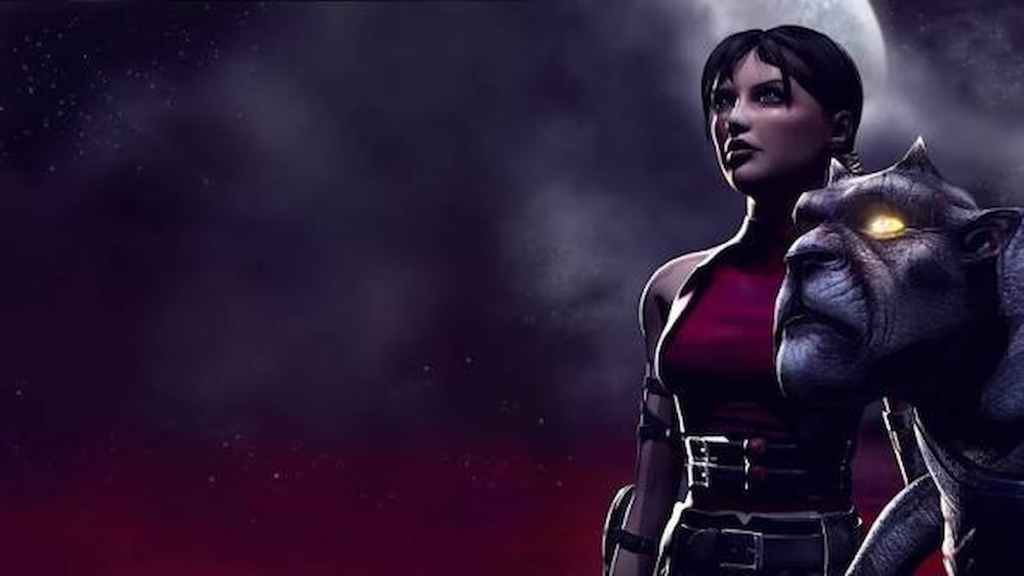
Released in 2003, Primal is one of those forgotten PS2 games that deserves far more recognition. Developed by Sony’s Cambridge Studio, this dark fantasy action-adventure follows Jen, a young woman who discovers her connection to a supernatural conflict between order and chaos. Accompanied by a gargoyle named Scree, she travels through four distinct demonic realms. The environments are easily the game’s greatest visual achievement, featuring elaborate architecture, impressive lighting, and detailed character models.
At launch, Primal pushed the PS2 to its limits with its gothic art direction. Its dark environments, elaborate creature designs, and atmospheric effects create a world that still feels visually ambitious. Jen’s transformations add another layer to the visual style with their different forms. The game was far from perfect, with its combat and pacing being heavily criticized. But it was an engaging PS2 adventure that prioritizes atmosphere and exploration over constant action. Its supernatural setting remains distinctive, even compared with modern fantasy games.
Unfortunately, Primal never received a sequel, despite its ambitious worldbuilding and considerable potential. Sony promoted the original extensively, but Cambridge Studio ultimately moved on to other projects. Today, a sequel could expand the original’s fantastic foundation and address its shortcomings. Improved combat, more elaborate transformations, and larger interconnected environments would make returning to these demonic realms a treat.
3) Haunting Ground

Capcom’s Haunting Ground arrived in 2005, offering a different kind of survival horror experience. Rather than giving players an arsenal of weapons, the game places them in control of Fiona Belli, a young woman trapped inside a mysterious castle. Her primary companion is Hewie, a German Shepherd who helps her survive the castle’s dangerous inhabitants. It was different from Capcom’s flagship horror series, Resident Evil, and was one of the most visually impressive games on the PS2.
Its visual presentation also complements the gameplay extremely well. Fiona’s vulnerability is reflected in her movements and reactions, while the castle’s imposing architecture reinforces the feeling of being trapped. The result is a survival horror game that remains disturbing without depending entirely on grotesque monsters or excessive violence, just simple tension. That said, the AI was not as sophisticated as one would like, particularly with some frustrating enemy behavior. These problems held the game back, and Capcom obviously focused on Resident Evil.
Despite its distinctive identity, Haunting Ground never received a sequel. It had a mixed reception, likely giving Capcom reasons not to turn it into a series. With the renewed popularity of survival horror, now would be a good time to experiment with what a sequel could be. A second title could expand the companion mechanics, improve enemy design, and give another eerie location to explore. More importantly, it could preserve the original’s emphasis on escaping danger rather than fighting everything in sight.
2) Black
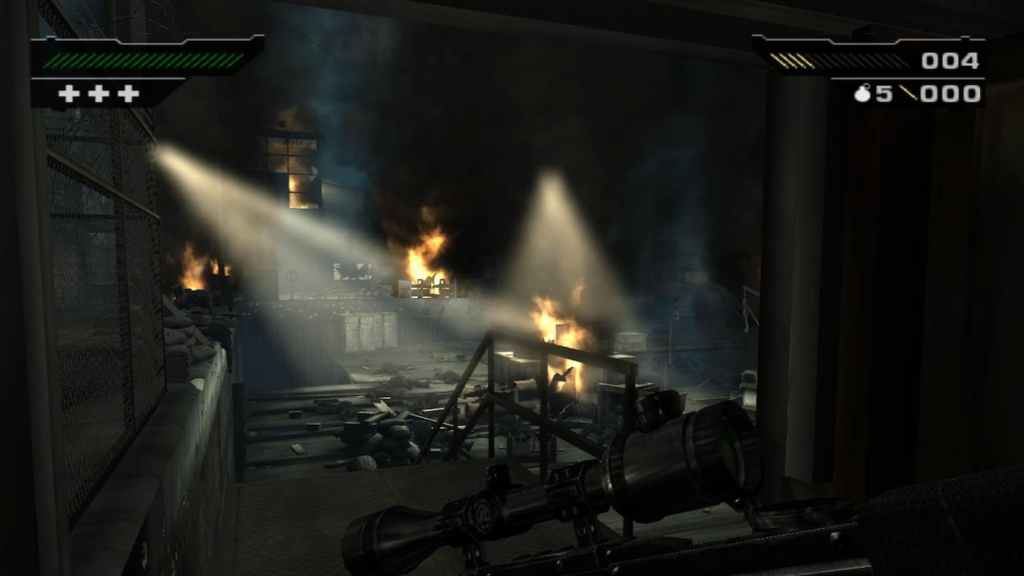
Few first-person shooters pushed the PlayStation 2 as hard as Black. Released in 2006 by Criterion Games, the studio behind Burnout, this military shooter emphasized explosive action and spectacular weapon effects. Its environments featured impressive detail, while gunfire, smoke, and destruction created an intensity rarely seen on the aging console. Even today, Black looks surprisingly impressive, especially during chaotic firefights. While its realistic character models and environmental textures naturally show their age, the game’s presentation remains exceptional.
What makes Black stand out is its commitment to visual and audio feedback. Weapons produce dramatic muzzle flashes, bullets tear through destructible objects, and explosions dominate the screen. These effects helped distinguish it from other PS2 shooters, even as the Xbox 360 generation was beginning. While the campaign was rather linear and it had limited gameplay variety, Black had potential to expand and improve in several areas. It was an excellent FPS that relied on simple but effective fundamentals rather than excessive features.
A sequel seemed like an obvious possibility, but Criterion never followed up on it. It moved on to other projects, leaving Black as a standalone release, which is a shame. Today, modern hardware could easily make it a shooter rivaling Battlefield 6 in its destruction-focused gameplay and visuals. Its aggressive gunplay would feel fantastic now, considering how good it felt back then. The industry certainly isn’t lacking military shooters, but few emphasize cinematic destruction quite like Black.
1) Rogue Galaxy
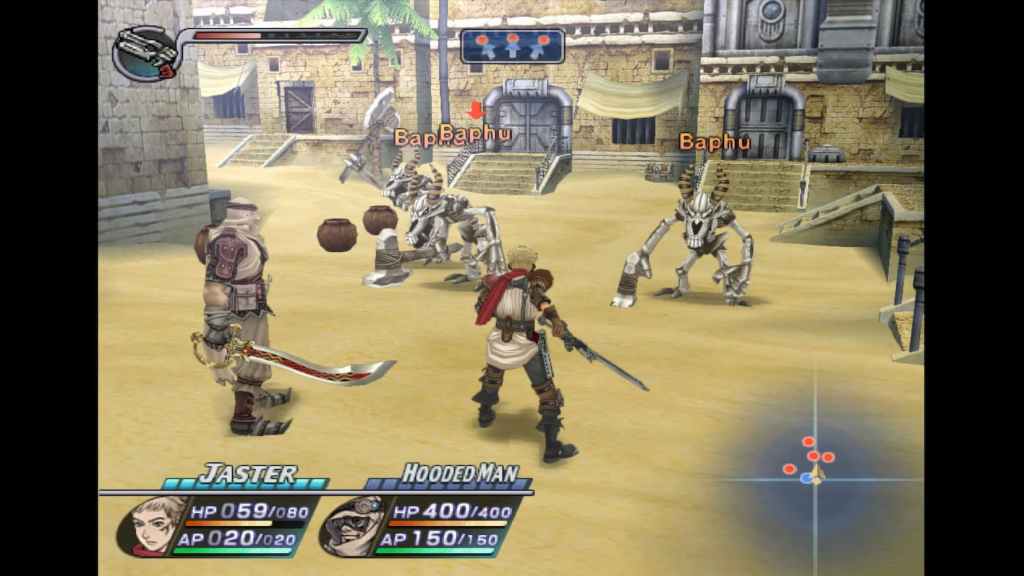
Of all the forgotten PlayStation 2 games deserving sequels, Rogue Galaxy is one of the most exciting. Developed by Level-5 and originally released in Japan in 2005 before reaching North America in 2007, this action RPG follows Jaster Rogue, a young adventurer who joins a crew of space pirates. It features a beautiful cel-shaded art style that pops thanks to colorful planets, expressive characters, and imaginative environments that resemble an animated adventure.
This decision has made Rogue Galaxy age incredibly well even compared to more technically ambitious PS2 games. Its colorful jungles, bustling settlements, and distinctive character designs remain impressive without requiring modern graphic effects. Beyond its presentation, the game offers real-time combat, extensive weapon customization, and numerous optional activities. It isn’t flawless by any means, and its repetitive combat encounters dragged the game down, but it was a fantastic RPG that is still a blast today.
Despite earning generally favorable reviews, Rogue Galaxy never received a proper sequel. Its late arrival in the PS2’s lifespan may have had an impact on this decision, but there were likely other reasons as well. That’s a shame because its universe practically begs for further exploration. A modern sequel could introduce additional planets, improve the combat system, and expand the original’s spacefaring adventure. With its timeless visuals and enormous creative potential, Rogue Galaxy deserves to become more than a forgotten PlayStation classic.
More Gaming
-
Courtesy of Wizards of the Coast