Gaming saw an incredible leap in the 1990s, graphically, mechanically, and narratively. The industry underwent a massive transformation as developers moved from traditional 2D sprites toward fully realized 3D environments. With the arrival of consoles like the PlayStation, Nintendo 64, and Dreamcast, players experienced visuals that seemed almost impossible just a few years earlier. Games felt more cinematic and developers experimented with artistic styles, animation techniques, and visual effects that helped establish some of gaming’s most recognizable aesthetics. Even today, certain games from this era look surprisingly impressive despite their age.
Videos by ComicBook.com
Of course, not every 1990s video game has aged gracefully. Early 3D graphics often featured blocky character models, muddy textures, and awkward animations that look particularly rough today. But strong art direction, clever technical decisions, and distinctive visual identities could make a game stand out long after its technology became outdated. Looking back at the best-looking 1990s games reveals just how creative developers were, and these four games are still mind-blowing graphically despite releasing in the 1990s and showcase the history of gaming and how much it has changed throughout.
4) Grim Fandago
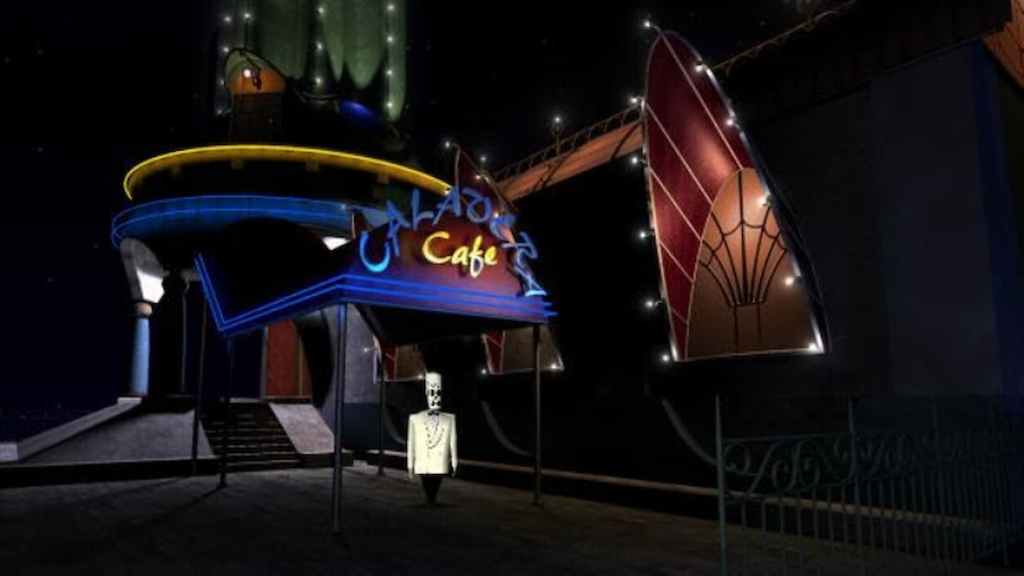
Released in 1998, LucasArts’ Grim Fandango remains one of the most visually distinct point-and-click games ever made. Directed by Tim Schafer, the game combines film noir aesthetics with Mexican Day of the Dead imagery, creating an unforgettable world populated by skeletal characters, almost like an early video game version of Coco. By combining three-dimensional character models and detailed pre-rendered backgrounds, the environments could feature impressive architecture, lighting, and atmosphere without overwhelming contemporary hardware.
It was a cinematic experience unlike anything else on PC at the time and showed how naturally its artistic choices complimented one another. The angular character designs fit into the environments, making the game feel like a Hollywood film. Dramatic camera angles showcased the beautiful locations and reinforced the game’s mysterious atmosphere. Even the relatively simple character models contribute to its identity. Grim Fandango made a lot of deliberate choices and it paid off.
Revisiting Grim Fandango today feels different than other 1990s PC games. Its original low-resolution backgrounds and occasionally stiff animations certainly reveal its age, but it overall remains quite striking. This largely thanks to the strong visual direction, something that has become increasingly sparse today thanks to developers chasing photorealism. Nearly three decades later, Grim Fandango still demonstrates how thoughtful art direction can overcome hardware limitations.
3) Soulcalibur
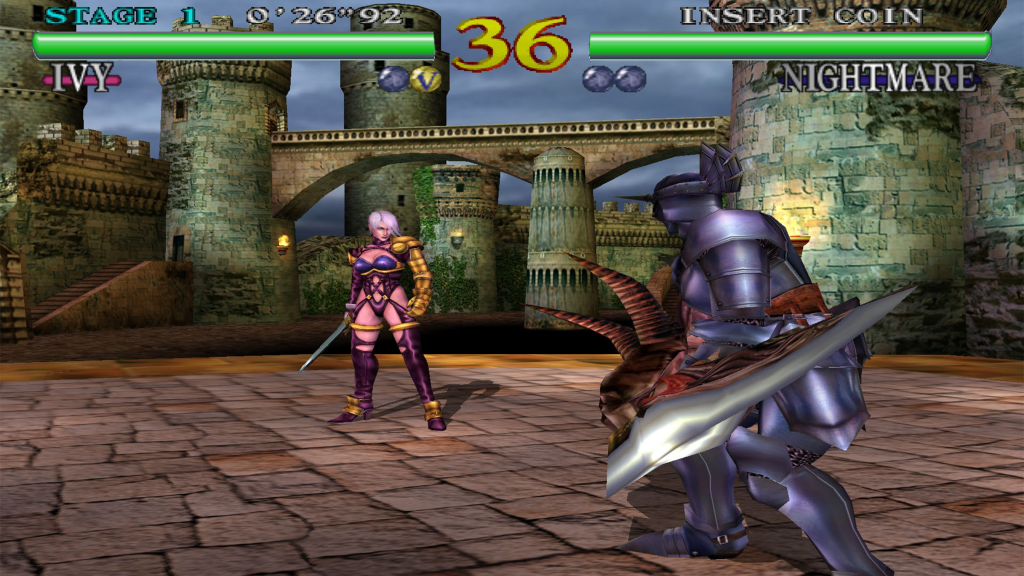
When Namco released Soulcalibur in arcades in 1998, it immediately established itself as one of the most impressive 3D fighting games available and showcased the power of the Dreamcast. Unlike many arcade conversions that sacrificed graphical quality, the Dreamcast version featured substantial visual improvements over the original. Characters displayed greater detail, animations appeared remarkably fluid, and environments featured impressive lighting and textures. It was the best of both worlds when it came to arcade and console games.
The character animation is a major reason Soulcalibur stands out. Every sword swing, defensive option, and acrobatic attack flows naturally into the next movement rather than being stiff. This gives the combat a sense of momentum other 3D fighters lacked, especially thanks to fantastic character designs like Mitsurugi, Sophitia, and Nightmare. Then there were the detailed arenas that were incredible backdrops for the action. The combination of fluid movement and beautiful environments helped make Soulcalibur one of the Dreamcast’s defining technical showcases.
While the details of Soulcalibur don’t compare to many modern fighting games, the game knew exactly what it wanted to do. Its details and aesthetics supported the combat and did not interfere with it. While it may be dated today, the original Dreamcast title still looks fantastic in motion. Its responsive animations, clean visual presentation, and memorable character designs have aged exceptionally well. This makes it such a shame that the series has been silent so for long and fans are eager for another entry.
2) Myst
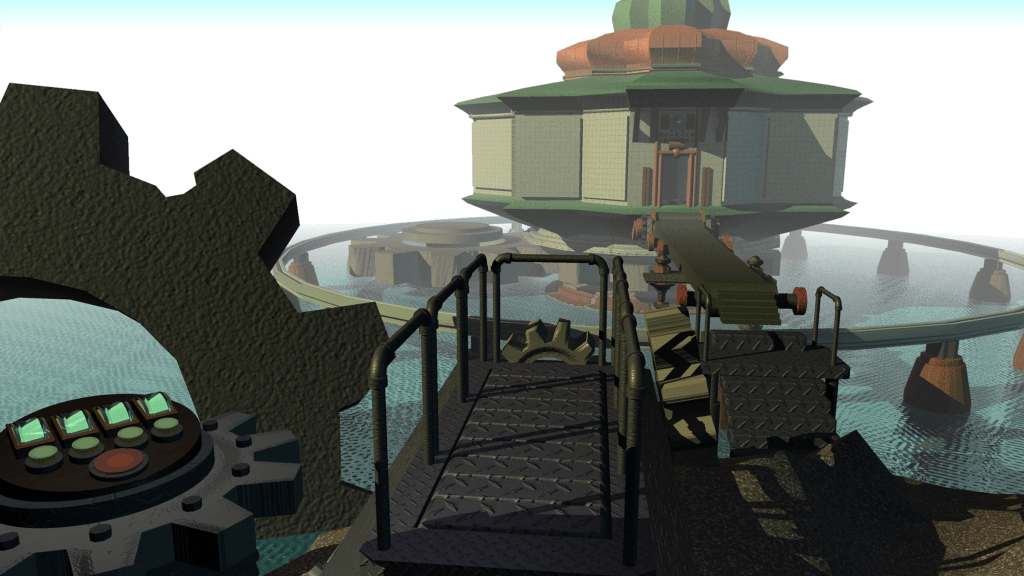
Originally released for Macintosh computers in 1993, Cyan’s Myst helped demonstrate the incredible potential of CD-ROM technology. While many contemporary games relied on relatively simple sprites and environments, Myst transported players into a mysterious island filled with detailed architecture and landscapes. Developers Rand and Robyn Miller used pre-rendered 3D imagery to create environments that were visually more impressive than most real-time graphices could achieve. Its striking graphics helped make the adventure game a defining example of 1990s gaming.
Unlike traditional adventure games, Myst encouraged players to explore environments and solve puzzles without extensive explanations. Its visual presentation played an essential role in making that experience enjoyable and worthwhile. rom unusual mechanical structures to tranquil forests and elaborate interiors, every location demanded closer attention and multiple looks. The atmospheric lighting, carefully positioned objects, and intricate environmental details created an extraordinary sense of place even with Myst using static images over a continuous 3D world.
Even today, the original Myst remains visually impressive, though modern versions have come and gone. Its static presentation and limited resolution obviously distinguish it from modern first-person adventure games, but the original environmental artwork remains beautiful. Myst occupies a special place in the history of PC gaming, but it absolutely proves how clever techniques can help can create an experience that feels ahead of its time, even three decades later.
1) Super Mario World 2: Yoshi’s Island

Nintendo’s 1995 SNES masterpiece, Super Mario World 2: Yoshi’s Island, proves that impressive graphics don’t require realism. This has long been a standard of Nintendo who constantly values visual style over graphics. But this 1990s platformer absolutely embraces that idea, showing Nintendo isn’t afraid to go a different route than other developers. The game’s environments resemble illustrations from a children’s storybook, featuring crayon-like textures, colorful backgrounds, and expressive characters. This was achieved by translating hand-drawn artwork into pixel graphics, creating one of the most distinct graphical styles.
But Super Mario World 2: Yoshi’s Island legacy goes beyond its charming and vibrant art style. The Super FX2 chip allowed Nintendo to implement graphical effects that were ahead of its time like rotating objects, scaling sprites, and environmental transformations. The famous Touch Fuzzy, Get Dizzy sequence demonstrates this particularly well, distorting the environment into a surreal landscape. Combined with expressive character animations and inventive boss encounters, Yoshi’s Island is easily one of the most technically impressive SNES games.
Thanks to the strong aesthetic choice, Yoshi’s Island still holds up visually today. Its colorful environments, fluid animation, and imaginative character designs remain beautiful more than 30 years after its original release. Unlike early 3D games, which frequently suffer from dated textures and awkward geometry, its hand-crafted aesthetic has barely lost its appeal. Returning to many Nintendo games is a reminder of why the giant has remained so relative for decades, but Yoshi’s Island is one of the best examples of this.
More Gaming
-

Courtesy of Freshly Baked Games