Sticking the landing is hard when making one movie; it’s even more difficult to stick the landing after three in a row. Plenty of movie trilogies have a great starting point and falter off with each entry after, like Back to the Future, for example. Others, like The Dark Knight, peak with the second film in the series, bookended by two movies that may be great but still pale in comparison. Rarer still is a series that manages to start strong and end even stronger, but there are some that pull off this impossible trick.
Videos by ComicBook.com
The key to getting to a third movie that not only brings everything full circle but actually delivers the best entry is all about escalation. Using the original Star Wars trilogy as an example, by the time we make it to Return of the Jedi, not only does the threat need to be increased with the presence of the Emperor himself, but a Death Star that’s more than double the size of the original. Things need to get bigger, but that makes landing the plane tough. Your mileage will vary, of course, because every entry in a beloved movie trilogy has its fans, but these four franchises clearly start strong and end even stronger.
4) ’90s Gamera
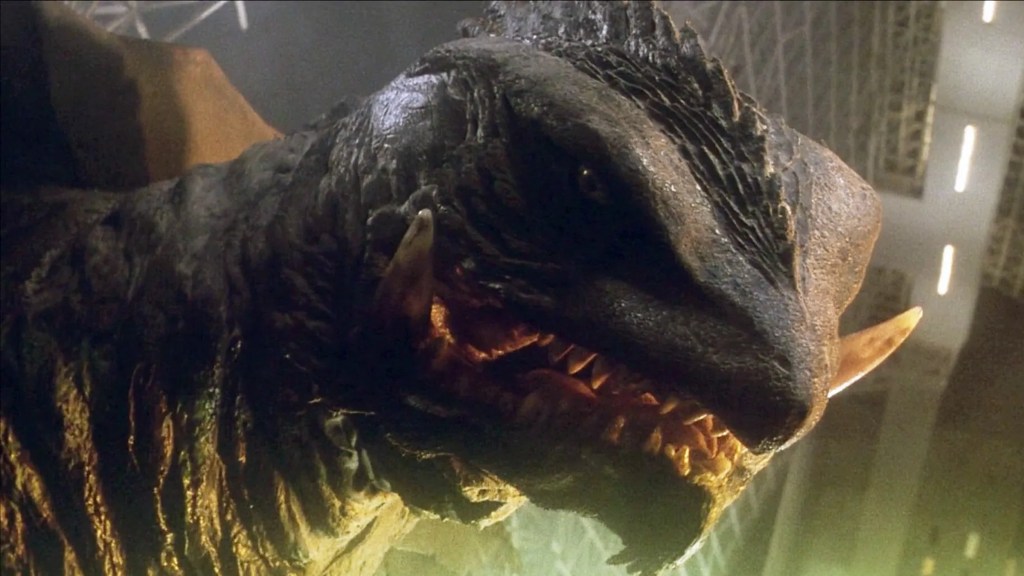
Though long-suffering in the shadow of Godzilla, plus knocked down a peg by Mystery Science Theater 3000, the Gamera has plenty of great movies that were released around the same time as the king of the monsters, and a full trilogy in the ’90s that stands alongside some of the greats from his competition. Starting with 1995’s Gamera: Guardian of the Universe, filmmaker Shusuke Kaneko was able to not only revive the series with a fresh reboot but also deliver practical special effects that remain the pinnacle of the franchise (and still hold up today). Fun as the first two entries are, though, it’s the final chapter that truly takes the cake.
On top of delivering spectacle that fully satisfies fans of the genre (at one point Gamera’s hand is impaled, forcing him to blast his own arm off, and then create a new one from the flames of his foe), it’s a film that fully subverts expectations of the kaiju genre entirely. Though Gamera is framed as the hero, the wanton destruction he causes is shown on the deadly scale that it would actually cause. Gamera 3: Revenge of Iris is not only the best of the trilogy, but the best in this entire franchise, and maybe one of the best monster movies ever made.
3) Iron Man
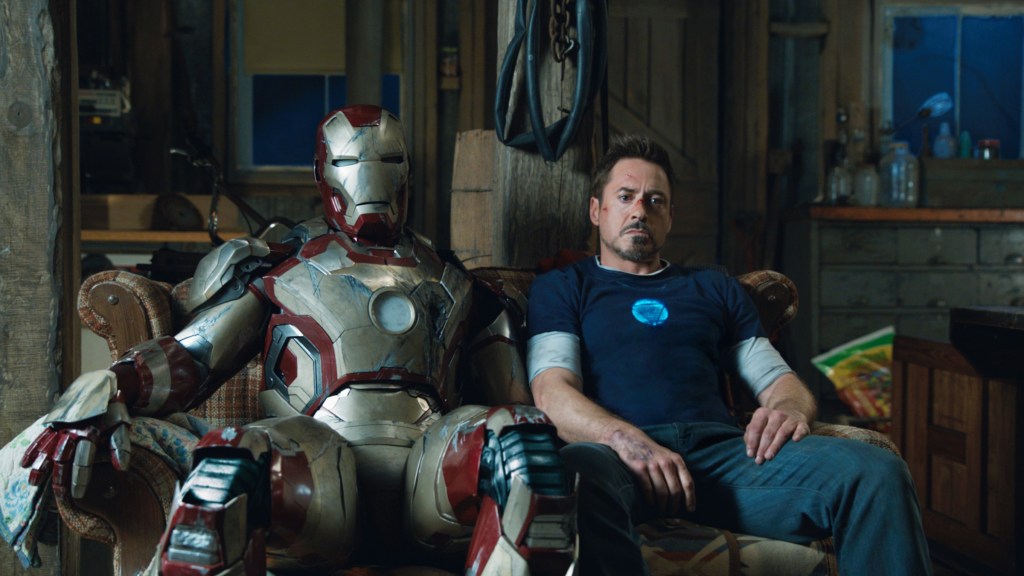
Marvel fans will all agree that 2010’s Iron Man 2 failed to live up to the original movie that kickstarted the MCU, but it might be a little dicier for others to admit that 2013’s Iron Man 3 is actually the best of them all. Jon Favreau’s 2008 movie may have the distinction of making a C-list Marvel hero seem cool, but the 2013 finale to his trilogy of solo movies confirmed that it was the man inside the armor that actually made it all worth watching, not the spectacle of phaser blasts and missiles.
Shane Black’s finale in the series is somewhat controversial thanks to choices made with its villain, but the structure of Iron Man 3 and how it uses tearing down Tony Stark to build him back up is not only genius but the best use of Downey as a performer across the MCU. Not only is he forced to problem-solve on the fly and use his own brain and hands, but he also gets the chance to show off his humorous side along the way. Even though he probably spends less time in his suit in this film than any other, the heroics of Stark (plus, Downey’s sense of humor and charm) are in full display. What we come to find out across the film is that the final line of the first movie was actually the guiding ethos of this chapter: Iron Man isn’t the suit that Tony wears; he IS Iron Man.
2) Wolverine Solo Movies
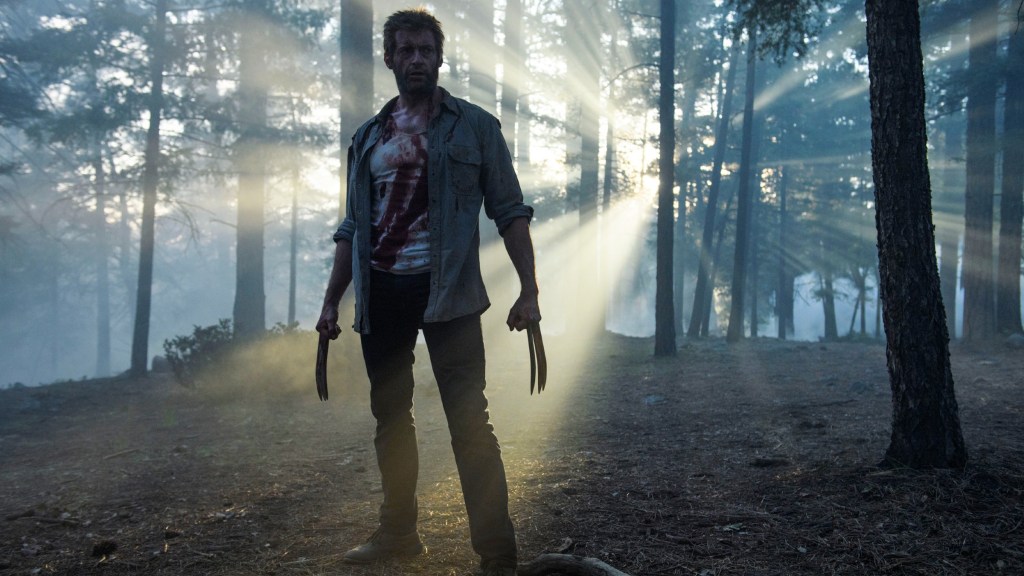
When the first Wolverine solo film arrived, it seemed like the right move for the X-Men franchise; not only would it allow the series to keep going when the “main” movies were over, but it would allow the biggest star of the series to take the spotlight. The less said about 2009’s X-Men Origins: Wolverine, the better, but 2013’s The Wolverine was a marked improvement, with 2017’s Logan not only becoming the best of the three, but maybe the best of the franchise.
One of the things that gives Logan the power that it has, not only as a story for Jackman’s character but as an adaptation of Marvel comics, is the length of time it took to get here. With seventeen years of the character under his belt, and not getting any younger himself, the wear and tear on Jackman’s body as a performer added a new layer to the story itself, which was already about finding your place in a world that’s left you behind. By playing a Wolverine past his prime, Jackman not only found a version of the character that could speak to fans who had grown up with him but who had layers other versions wouldn’t allow.
Not only did filmmaker James Mangold manage to tell a story with Logan that felt like a proper conclusion to two of its biggest characters, but which brought a corner of the comics to life that seemed impossible. By eschewing the larger idea of the franchise canon, something that comic books are unafraid to do, the team behind Logan created a story that felt like a proper standalone story but which also fed on the entire series itself and made it stronger.
1) New Planet of the Apes
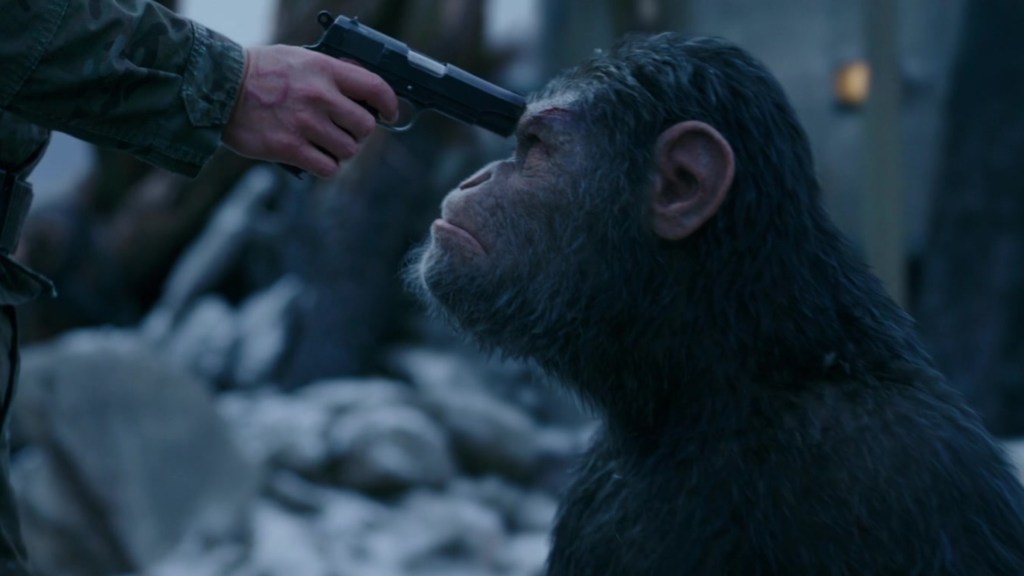
When 2011’s Rise of the Planet of the Apes was released, it came after more than a decade of no movement in the series, which had been rendered to its lowest point ever after a poorly received remake. Anchored by Andy Serkis’ performance and WETA’s iconic visual effects, the film proved there was new life in the series and would kickstart a fresh trilogy of films.
Though 2014’s Dawn is another high mark for the entire series, it’s 2017’s War for the Planet of the Apes that remains not only a fitting conclusion but the pinnacle of what the franchise as a whole can achieve. Not only does the film allow Serkis to give a truly emotive and dark dramatic turn for Caesar, but it has so few human characters that the majority of it is all about the apes (it’s their planet after all).
On top of the acting craft on display through the motion capture (Steve Zahn’s Bad Ape and Karin Konoval’s Maurice are further standouts), the film shows that the franchise has gone through a distinct maturity, especially under the lens of director Matt Reeves. Not only does War for the Planet of the Apes mesh this long-standing franchise with a proper revenge movie, but puts actual gravitas into the conflict in a way that has never felt heavier. Even though the series has already continued past this point, it may very well be the pinnacle of the entire Apes series, let alone this trilogy.
More Movies
-
Courtesy of The Walt Disney Company -
Courtesy of Universal