There are tons of incredible sequels to classic science fiction movies, but for every great one, there are a dozen that don’t live up to their predecessors. Sci-fi is often used to explore complex themes and comment on modern-day political issues, so when sequels water down the source material, they can completely miss what made the originals so special.
Videos by ComicBook.com
So, here are five sci-fi movie sequels that entirely missed the point of their predecessors. While this doesn’t make the films inherently terrible, it does signal that they weren’t able to recapture the magic of the masterpieces that spawned them.
5) Jurassic World

1993’s Jurassic Park is often considered to be one of the greatest movies of all time, and for good reason. The film’s cutting-edge special effects, incredible writing, compelling characters, gorgeous cinematography, and memorable music all come together to make for a stellar viewing experience. However, all of this is built around a core thematic question that asks whether all scientific progress is good. Much of the film is dedicated to exploring the hubris of John Hammond, with Ian Malcolm pointing out that humans cannot control nature. By the end of the film, Hammond sides with the protagonists, agreeing that Jurassic Park is a bad idea.
Several sequels later, 2015’s Jurassic World rebirthed the franchise, with a new set of characters traveling to an updated park filled with new hybrid dinosaurs. However, it doesn’t work for several reasons. Firstly, it ignores the in-universe lesson that the world has learned several times over: dinosaur theme parks are a bad idea! Secondly, it completely undermines the original message that humans cannot control nature, as Chris Pratt’s Owen Grady helps save the day with an army of specially trained raptors.
4) Back to the Future Part II
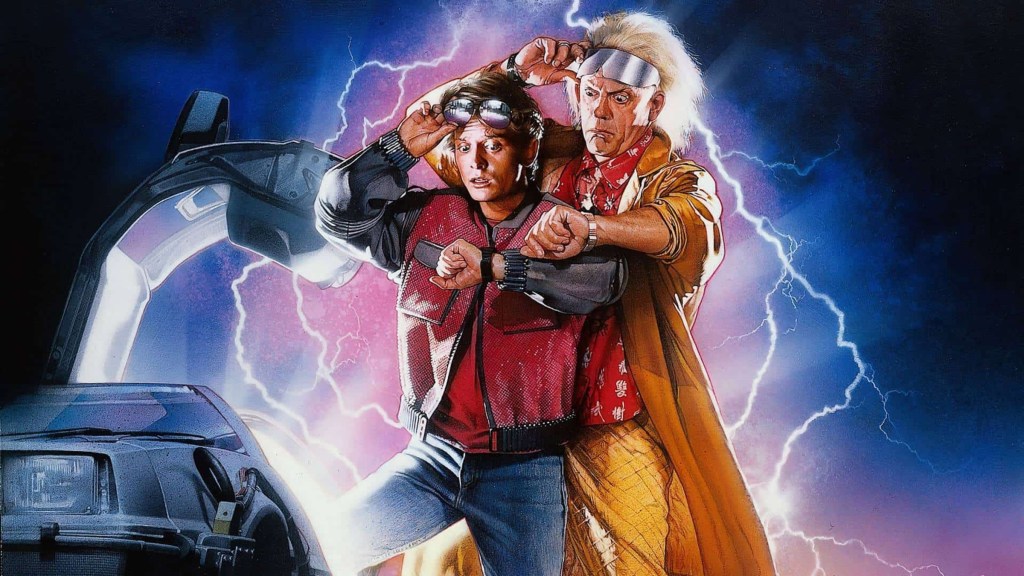
1989’s Back to the Future Part II is easily the best film on this list, and there is a lot to love about it. The film’s time travel story is fun, the future of 2015 is an exciting world, and the visual effects blow those seen in the first film out of the water. However, Back to the Future Part II lacks the heart of the original film.
The time travel in 1985’s Back to the Future is a means to an end, with it merely being a vehicle to explore the idea of what would happen if a high schooler got to really see what their parents were like at their age. Marty’s relationship with the past version of his parents is what most of the film is dedicated to, and it is clearly what the creatives behind the movie were more interested in.
However, Back to the Future Part II moves away from this aspect, instead dedicating more time to time travel shenanigans like alternate futures. The fight against future Biff is an exciting story, but it lacks the emotional core that made the original film so easy to connect to, meaning that the second film is a significant narrative and thematic step down from its predecessor.
3) RoboCop 2

Master satirist Paul Verhoeven directed the 1987 hit RoboCop, which tells the story of Alex Murphy, a police officer who is murdered by gang members and revived as a state-of-the-art cyborg law enforcement tool. Despite being an over-the-top action film, RoboCop is also an exploration of several key themes, including violence in media, capitalism, and the loss of humanity. The film even ends with RoboCop reclaiming his identity by again calling himself Murphy, moving away from the loss of humanity he felt after being revived.
Unfortunately, 1990’s RoboCop 2 wasn’t nearly as nuanced as its predecessor. The sequel completely undoes Murphy’s character arc from the original film, with RoboCop being reset to lack agency and identity as he did for most of the first film. While there is an argument to be made that RoboCop 2 is satirizing the idea of sequels and the marketing of the violent franchise toward children, it completely fails to live up to the masterful character arc of Alex Murphy from the original film.
2) Terminator 3: Rise of the Machines
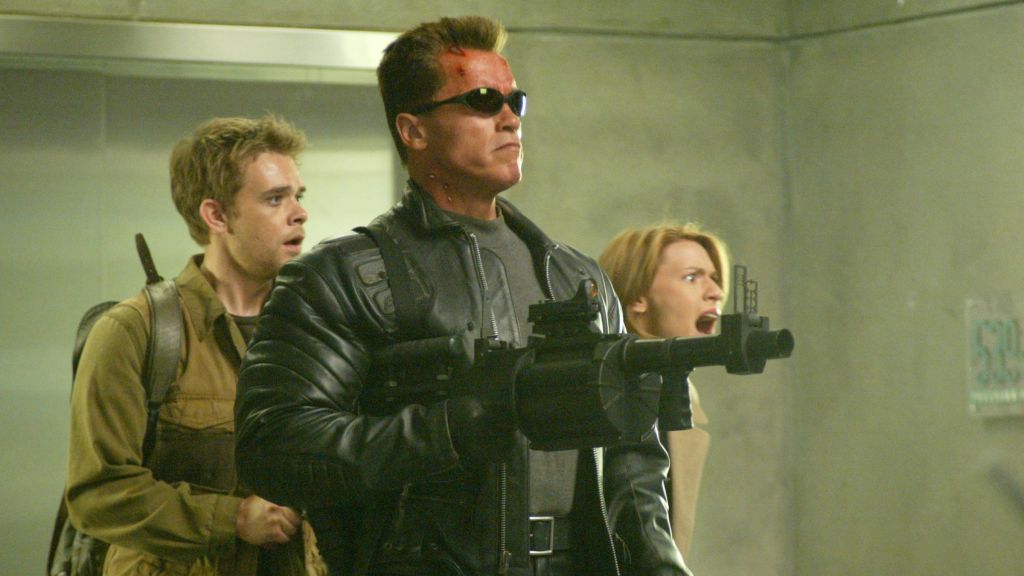
Terminator 2: Judgment Day is one of the greatest sci-fi action films of all time, with director James Cameron significantly improving on his original film. The sequel follows Sarah and John Connor, as well as a reprogrammed T-800, as they work together to stop the development of a Cyberdyne microprocessor that will directly lead to Judgment Day. Sarah knows that Skynet will become self-aware and initiate Judgment Day on August 29, 1997, but due to their intervention, they are able to successfully change their fates by the end of the film.
However, 2003’s Terminator 3: Rise of the Machines reveals that fate actually can’t be changed. The franchise couldn’t continue without a future robot apocalypse, so Rise of the Machines explains that the actions taken in Judgment Day have only delayed the event, with the apocalypse now happening in 2004. While this essentially undoes the narrative progression of the previous film, it also undercuts the central dramatic argument of Judgment Day, which was attempting to argue that people determine their own fates rather than fate being set in stone.
1) The Fly II

When it comes to great horror remakes, David Cronenberg’s 1986 take on The Fly is often praised as one of the best. The film reimagines the 1958 original and heavily leans into the body horror, with Jeff Goldblum starring as the scientist Seth Brundle, who slowly transforms into the Brundlefly. While the body horror is fun, the film uses Brundle’s insectoid transformation to explore themes of aging and terminal illness, with some critics even drawing parallels between The Fly and the AIDS epidemic.
Unfortunately, the 1989 sequel The Fly II throws all that out the window. The film follows Seth’s rapidly aging son Martin Brundle, who was born with special abilities due to the fly DNA that he inherited from his father. While some of the film is dedicated to exploring Martin’s powers, The Fly II paints him as more of a superhero, with the film winding up being a revenge story against the corporate CEO who funded Seth’s original experiments. At the end of the film, Martin forcibly puts his fly DNA into the CEO, turning him into a monster, something that winds up being pretty perverse when you consider the aforementioned real-world parallels of the original film.
What sci-fi sequel let you down? Let us know on the ComicBook Forum!
More Movies
-
IMAGE COURTESY OF LUCASFILM -
IMAGE COURTESY OF WARNER BROS. -
IMAGE COURTESY OF UNIVERSAL