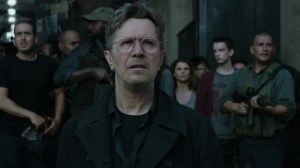
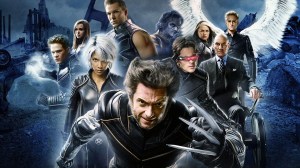
In a relatively short space of time, superhero movies have grown from a relatively niche subgenre into one of the most dominant forces in modern cinema. With the birth and development of major franchises that deliver shared comic book universes to the big screen, superhero movies have become more popular than ever. Not only do they regularly break box office records, but they also dominate the conversation surrounding popular comic book characters and have already begun to reshape the face of modern pop culture. Bringing a comic book to life in a superhero movie has become something of an art form in itself, and the superhero movie genre has developed certain formulas that filmmakers tend to stick to.
Videos by ComicBook.com
In practical terms, this has led to an abundance of superhero movie tropes that are often seemingly used as guidelines for making a film in the genre. Even the best superhero movies sometimes fall back on these common tropes, and while that helps give some narrative consistency to the genre, it’s not always a good thing. In fact, some tropes have become so overused as to have become incredibly tired, and audiences are fast growing bored of seeing the same story beats in almost every comic book movie. The following are all examples of superhero movie tropes we simply wish would go away, because they’ve become incredibly cliched.
5) The Hero Temporarily Losing Their Powers
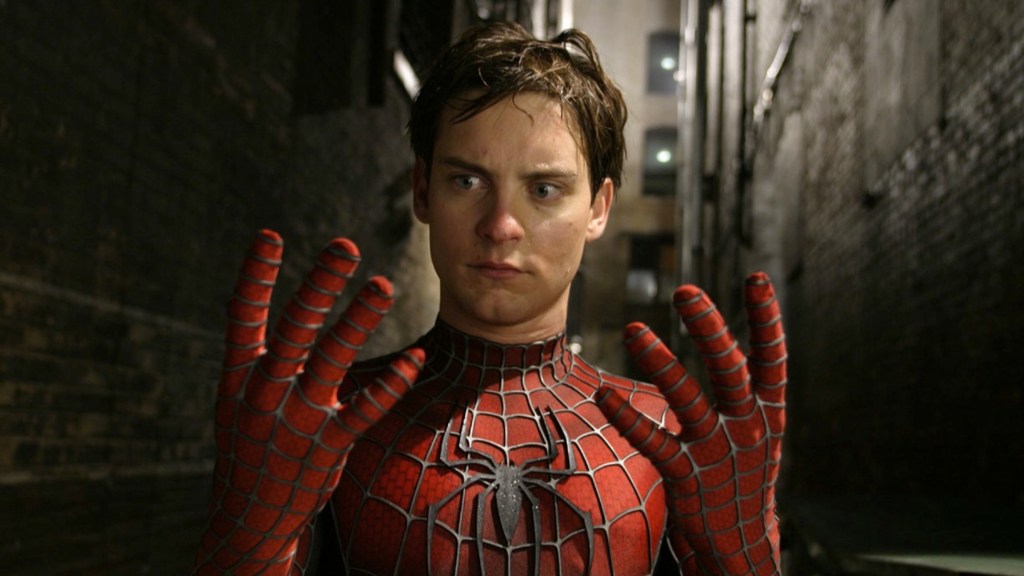
The vast majority of movie superheroes rely heavily on their abilities, which are usually the main aspect of their character that sets them apart from everybody else within their continuity. Superpowers are typically what lead them to become a hero, inevitably resulting in the same form of identity crisis: they’re not sure who they are without their powers. All too often, this leads to the heroes losing their superpowers in superhero movies, forcing them to reevaluate not just their own identity but also the fundamental question of what it means to be a hero. The reason this trope once worked so well is that it subtly prompts the audience to consider their own potential for good, as if a powerless hero can still save the world, then being a force for truth and justice doesn’t seem to require any fantastical abilities. As much as it works as a narrative device, its overuse throughout superhero cinema has seen it become increasingly predictable and tired, and while the trope doesn’t necessarily need to disappear, it would be better if it were at least put on a movie hiatus.
4) Heroes Accidentally Creating Their Own Villain
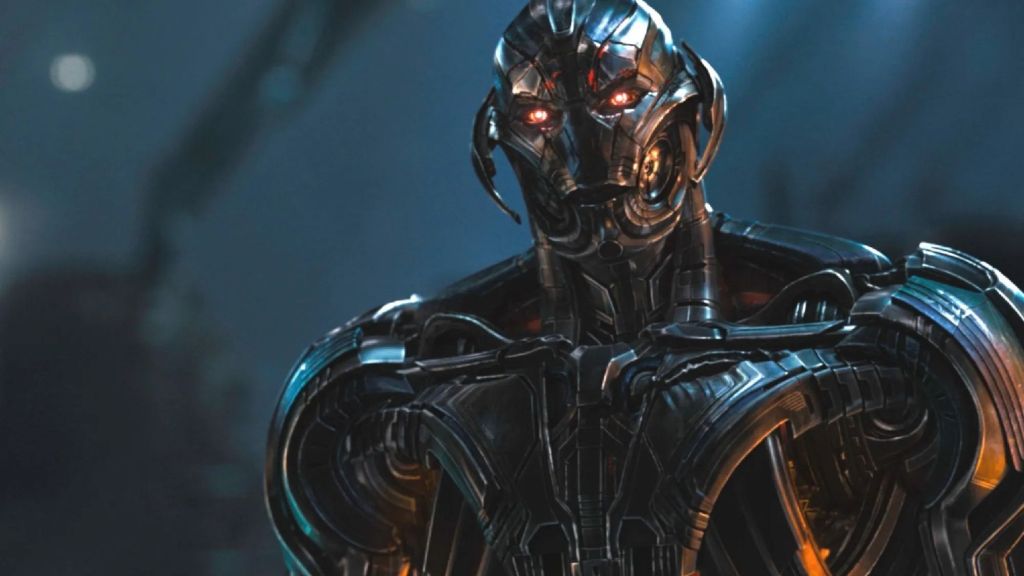
Another incredibly prominent trope in comic book movies is the hero accidentally creating the villain. In particular, the MCU seems to struggle with the overuse of this trope, tying almost every villain to some aspect of the hero’s past that, more often than not, is directly linked to a previous mistake. Iron Man is a notable repeat offender, but countless movie superheroes have flirted with this trope over the years. It has become frustratingly common that superhero movies feel the need to connect the backstories of heroes and villains, usually giving the hero some part in the creation of their antagonist. While this ups the stakes and adds a personal element to their conflict, it has also begun to feel incredibly lazy due to its repeated overuse. In fairness, this largely stems from the comic book source material, but it’s perhaps even more tired in print than it is on the page. Narrative coherence is one thing, but every single superhero movie forcing the hero to confront a tangible embodiment of some mistake or trauma from their past has grown incredibly stale.
3) Post-Credits Teases
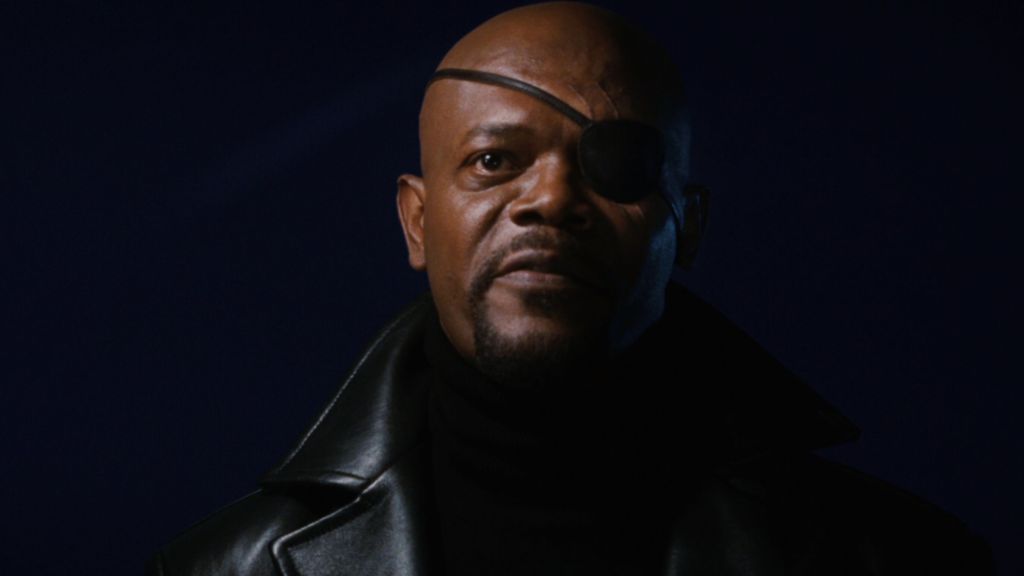
Once, the MCU made the idea of a post-credits teaser seem like the most exciting cinematic innovation of all time. Adding a small scene during or after the credits — or, as is most common, both — to tease upcoming developments within the wider franchise was once the height of superhero movie storytelling. However, the near-constant barrage of these scenes eventually led to many post-credits scenes going unresolved, often due to scheduling and production issues or a franchise’s box office disappointment. The result of this is that the very idea of a post-credits scene no longer seems to guarantee the adaptation of a future story in the same way it once did, and instead, they often ring hollow with many fans. By using post-credits scenes to indiscriminately announce future superhero movie plans, franchises have often backed themselves into a corner, and fans have grown frustrated with it. It might once have seemed incredibly exciting, but now, it’s just a little annoying.
2) Villains Earning Redemption, Then Immediately Dying
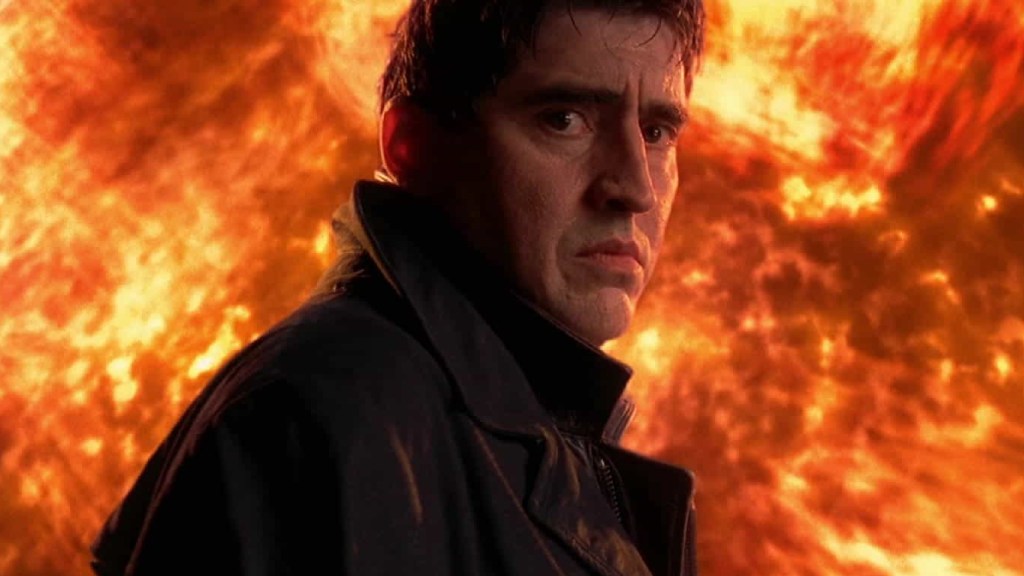
There are many factors that contribute to a great comic book movie, and a solid villain story is one of the most important. Getting the antagonist right is every bit as important as the hero’s story, and injecting a little complexity into the villain’s character and backstory is often the best method for doing this. Allowing the villain a redemption arc is often the logical conclusion of their conflict with the hero, but this then almost always results in the antagonist’s immediate death. There’s definitely a delicate balance to be struck between the two, as some of the best superhero movies and their most beloved characters have been those that skirted around this trope. Allowing a villain to actually thrive after having redeemed themselves is actually a far more satisfying story, but obviously, this can’t be overused either. Ultimately, it would be far better if so many superhero movies stopped offering their villains some form of redemption, because it wouldn’t force them to kill off so many great characters.
1) Artificially Manufactured Conflict Between Heroes
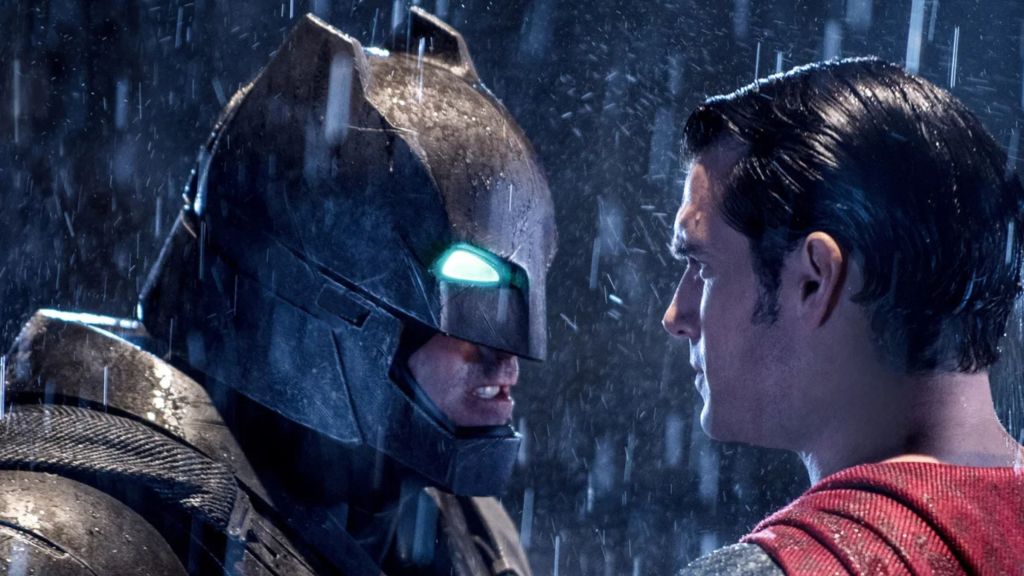
By far one of the most overrated superhero movie ideas is that there should be some level of conflict between heroes. The most obvious examples come in Captain America: Civil War and Batman v Superman: Dawn of Justice, but there are many other less obvious occasions on which superhero movies have had heroes fighting amongst themselves. While it’s a solid idea when used sparingly, the abundance of squabbling between heroes in comic book movies has grown more than a little tiresome. The nature of most superhero movie stories sees heroes band together to fight against genuine villainous threats, but instead, many of them hasten to make their heroes feel more human by injecting additional conflict between the supposed forces for good. The overexposure of the trope has instead started to make movie superheroes seem petulant and unable to simply talk through their differences, all in the name of manufactured conflict that most fans aren’t overly concerned about seeing.
More Movies
-

Image Courtesy of Lionsgate -

Courtesy of New Line Cinema -
Image Courtesy of DC Comics