
The legacy of the Shonen Big Three remains unmatched even though several years have passed since their debut, as they still maintain a huge fan base across the globe. As the new era of the anime and manga industry began with shorter and seasonal series, fans appreciate the older generation even more with long-running stories and captivating plots more than ever. This is one of the main reasons why Naruto‘s influence is unmatched as one of the most popular and influential Shonen classics of all time. Written and illustrated by Masashi Kishimoto, Naruto became one of the most successful anime and manga franchises of all time, as fans loved the story of an underdog winning the hearts of those around him and climbing to the top still inspires others.
Videos by ComicBook.com
Naruto raised an entire generation of anime fans who followed the protagonist’s journey from the beginning. However, as a long-running show, it’s impossible for Naruto to be flawless. Fans were criticizing the series for several reasons during the early 2010s, and it took over a decade for the controversy to die down. Due to years of broadcast, the anime suffered from pacing issues and inconsistent animation. However, apart from this, the manga also received heat for a number of reasons. It reached its controversial finale on November 10th, 2014, but luckily stood the test of time as it remains one of the most iconic Shonen Jump series in history.
Naruto Still Gets Heat For the Unresolved Plot Holes and the Final Villain

There’s no denying that the story had multiple issues throughout its run, including plot holes and the final villain. While the controversy has significantly died down over the years, certain aspects of the story are still criticized. Naruto still confuses fans with many unresolved storylines and unanswered questions. Hashirama’s fate is so famously overlooked in the story that many fans just forced themselves to believe that the character was so powerful, it was impossible to write how he died. Regardless, a legendary character like him deserved a better ending than fans having to guess what his fate really was. However, that’s just one example, but there are several instances where the story failed to answer major questions, including the power systems and many other plot points, especially in the final run.
Whether it was Itachi’s illness or Orochimaru’s sudden change of heart, a lot of the things could be explored better, but were restricted due to the layers of plotlines in the overall story. The final stretch of the story in particular felt rushed with so many things happening all at once. There’s really no way to sugarcoat that the introduction of the final villain is still one of the most divisive moments in anime history. After hyping Madara Uchiha as the final villain, Kishimoto turned him into a puppet of Black Zetsu.
Fans weren’t happy that Madara’s actions were guided by Zetsu in order to free Kaguya Otsutsuki from the eternal prison her sons put her into centuries ago. Even now, the ending often receives mixed reactions, especially since the manga doesn’t feature an epilogue after the final war like the anime. Kaguya’s last-minute appearance completely shifted the flow of the story when it was just reaching its finale. With Obito joining Naruto’s side and Madara regretting his decisions, they became victims of Zetsu, even if they consciously started the war that destroyed thousands of lives.
Naruto Stood the Test of Time Thanks to Its Unique and Complex Storytelling
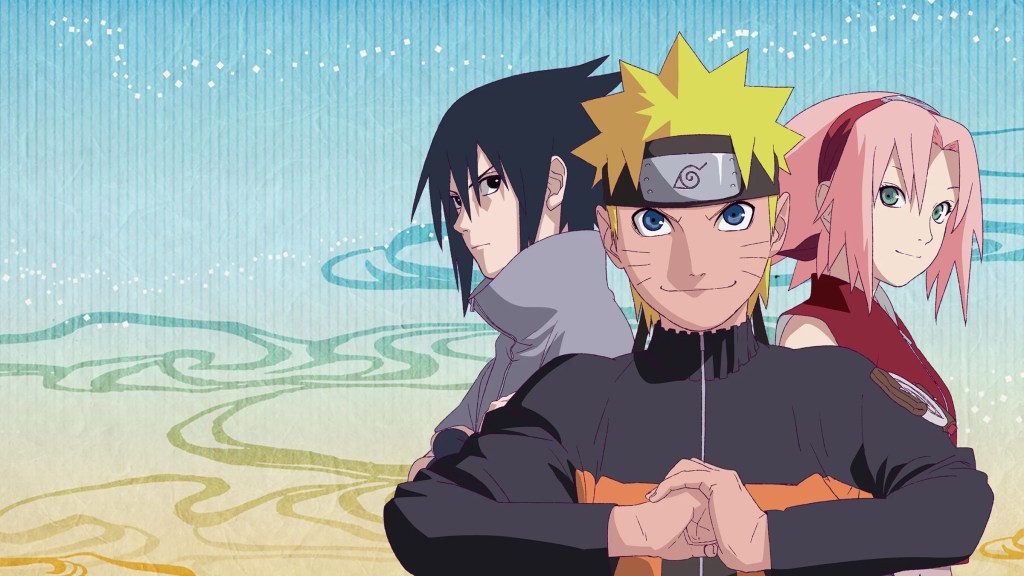
Naruto‘s ending is now viewed more favorably after more than a decade since the plot twist of the final villain was used as a major plot point in the sequel spin-off. The major plot twist in the final stretch of the story focused on world-building and introduced sci-fi lore to ensure the series’ longevity. Fans were initially unhappy that Kaguya’s appearance happened with zero narrative buildup, and it seemed more like a quick way to set up the story of a sequel rather than ending the main story when it should have. However, later on, many pointed out how this was foreshadowed much earlier in the story, so it wasn’t something Kishimoto decided out of nowhere.
Not to mention that there’s a huge change in perception when someone reads a series weekly compared to binging. Not to mention that the anime adaptation stretched out a lot of scenes and even added an epilogue, with novel adaptations that solved the problem of the rushed ending. It focused on most of the major characters and the aftermath of the war as the years went by. There’s no denying that Naruto’s ending is far from the best, but everything starts to make more sense after a certain time has passed.
Do you think Naruto’s ending deserves the criticism it received, or has it aged better now that enough time has passed? Share your thoughts in the comments below!
More Anime
-
©Akihito Tsukushi, TAKE SHOBO/MADE IN ABYSS Movie Series PARTNERS -
Image Courtesy of A-1 Pictures -
Image Courtesy of South Park Studios -

Image Courtesy of MAPPA -
Image Courtesy of Toei Animation -
Image Courtesy of Paramount+ -
Image Courtesy of Shueisha -
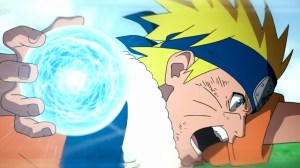
Image Courtesy of Viz Media
