With Grand Theft Auto VI on the horizon, the 25th anniversary of one of the series’ most pivotal titles couldn’t come at a better time, not only for Grand Theft Auto, but for gaming as a whole. Few games in the entire history of the medium are as synonymous with controversy as Grand Theft Auto III. In the 90s, comparable controversies in the form of Mortal Kombat and Doom ignited a fierce debate that reached the congressional level over violence portrayed in video games. The ESRB was established in an effort to appease angry moms across America, offering a rating system that would flag mature-level content. While censorship was always a primary goal for advocacy groups and politicians, the furor over explosive video game violence seemed to fade for a short while.
Videos by ComicBook.com
However, in 2001, Grand Theft Auto III once again sparked a national debate over the violent criminality element the game portrayed. This was, in part, thanks to new levels of realism and immersion that GTA III achieved in the PS2 era. The two earlier entries in the series were framed from a top-down 2D perspective. Despite indiscriminate violence and criminality being a core feature of the series since 1997, the popularity of the franchise skyrocketed with the series’ 3D open-world take in the third entry. GTA III introduced new mechanics that raised the vulgarity, including the (then) shocking introduction of prostitution alongside bloody violence. Simply put, GTA III shifted the fiery discussion with a 3D open world where players could choose to commit amoral acts with unmitigated freedom, which was a major step beyond the simple “violence and gore” variable of games like Mortal Kombat. The game became a lightning rod for gaming’s most prominent opponents. But just like the controversy that GTA III inspired, it also marked a new age of innovation in video games that influenced developers for decades.
GTA III Continued Gaming’s Growing Controversy Into the New Millennium
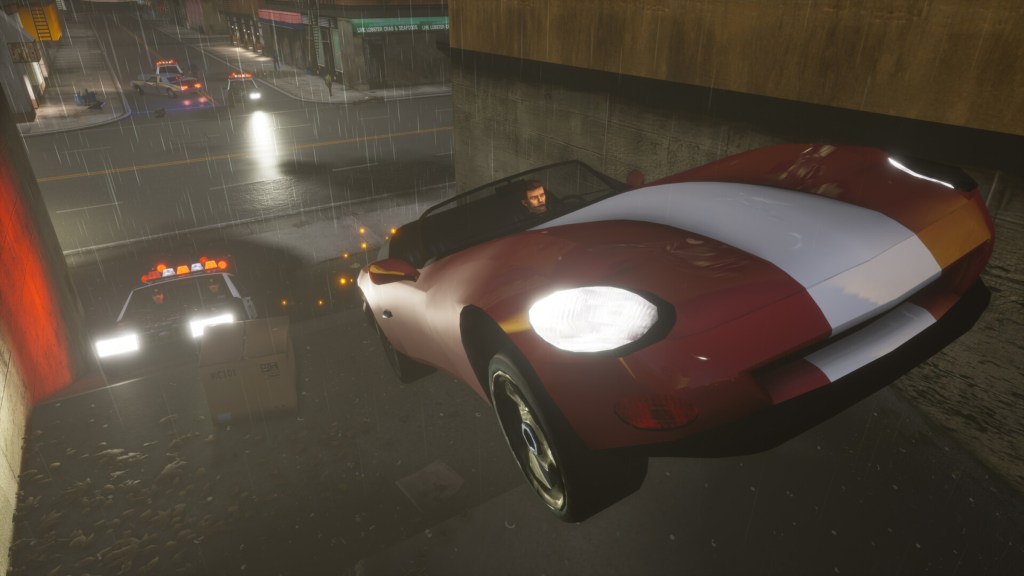
GTA III became the ultimate criminal simulation. Players could engage with the world like never before. Hit-and-runs, open gunfire and melee weapon use in public, heists, drug-running, assassinations, and all manner of urban chaos in a fully realized three-dimensional world were at the fingertips of players. As far as controversy in video games is concerned, GTA III didn’t create the debate, but it inherited it and launched it forward into a brand new generation of gaming. It also changed the tenets of the debate to not only analyze gaming’s effect on real-world violence, but also its glorification of lawlessness and depravity. Ultimately, the backlash only served to boost GTA III’s notoriety.
But while GTA III solidified itself as a definitive symbol of gaming’s controversial status culturally, it also garnered plenty of attention from current and future game makers who were taking note of what made it truly revolutionary. The shock value of the game quickly gave way to a new movement favoring the bold direction Rockstar had taken with its popular property. Rather than diminishing GTA III’s boundary-pushing impact, the backlash helped galvanize gaming fans and advocates for freedom of expression.
The Boundaries of Expression Expanded in Video Games
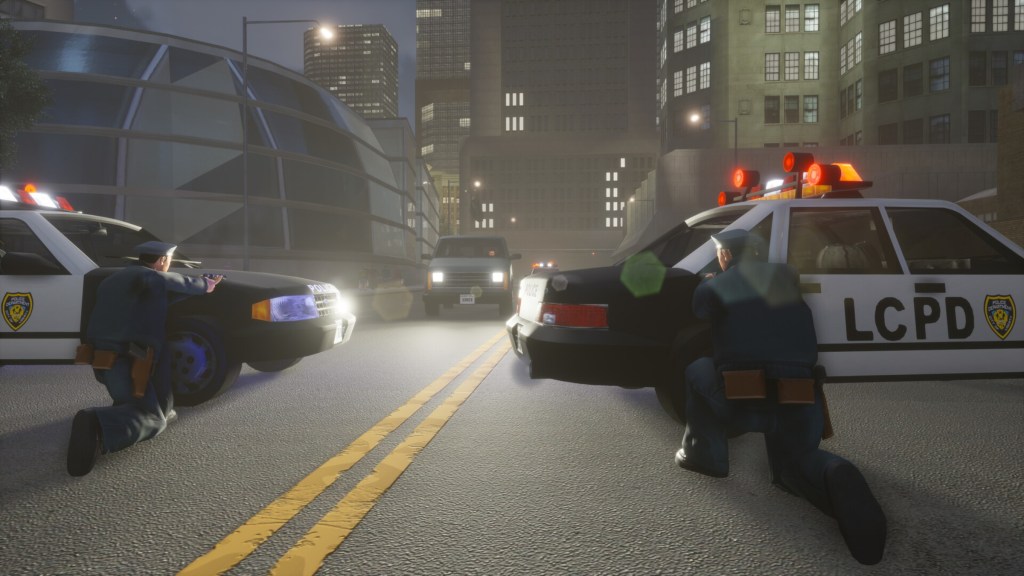
GTA III presented a world with a far stronger narrative than its predecessors. It carefully balanced morally challenged characters with the criminal underworld, dark humor, and poignant satire reflective of the era in which the game is set. As a result, Rockstar’s hit contested the prevailing assumption that video games were just for children or younger demographics. American culture became a fixture for commentary within Grand Theft Auto‘s world. The game satirized rampant consumerism with comedic advertising throughout the city. The radio stations utilized fictional talk shows and dialogue to cheekily mock political ideas and lampoon societal norms.
As a new standard for artistic expression, GTA III is more than the sum of its surface-level features like violence. While providing an immersive playground, the game still exaggerated the world and embraced cynicism. What many of the game’s detractors failed to understand is that there’s a notable distinction between a game that depicts criminality and one that endorses it. While one might argue that The Godfather trilogy glorifies mob life, it actually underscores the tragedy that unfolds because of it. There is nothing glorious about familial distrust and betrayal. Those who dislike what GTA represents are resistant to diving beneath the surface and understanding the game the way fans do. However, GTA III would boldly create new avenues for the entire industry to break through the perceived shackles of censorship and limited artistic expression. Looking back, GTA III is extremely tame compared to modern releases. But it led to an industry where video games gradually became accepted as a medium capable of mature storytelling.
Liberty City Became a Symbol of Unprecedented Freedom
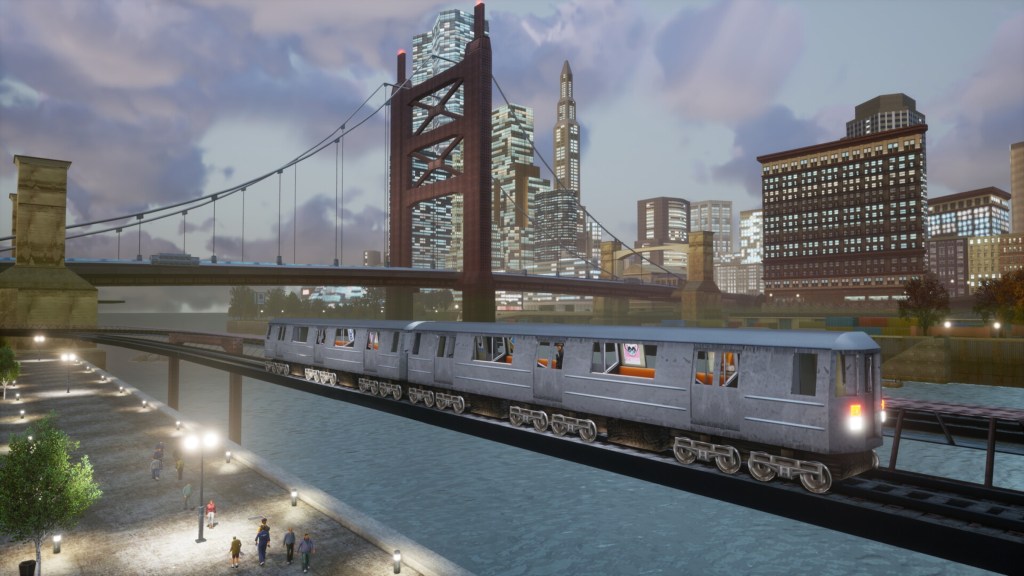
From a design perspective, GTA III raised the standard for open-world titles, especially those set in an urban environment. The fictional Liberty City was aptly named. For players, the world was their oyster. Liberty City truly felt synonymous with a new level of freedom never felt before in video games. Player choice became a defining feature. You weren’t forced from one mission to the next like most linear titles. Players could ignore missions in favor of others for a time, or travel whatever route they wanted to reach objectives. You could explore at will without repercussions.
Don’t get me wrong, GTA III is not the first open-world game or even the first open-world game in an urban setting. But it popularized and refined it to a substantial degree. Liberty City became just as much of an attraction as the game’s main storyline and primary objectives. I can remember being stunned by a city that truly felt alive. Pedestrians, though scripted, were bustling throughout the city. Shops and key points of interest created destinations that felt natural. Having emergency services and first responders react to calamities (that you likely caused) felt strikingly realistic. It’s hard to describe to younger generations and the modern gaming fan who never experienced this evolution in gaming. As a child of the late 80s and 90s, I vividly remember when games shifted from side-scrollers and 8-bit top-down adventures to three-dimensional worlds. I especially remember being 16 years old when GTA III made me feel like I was walking down Michigan Avenue in Chicago. It feels absurd to say today, given what we’ve witnessed with Grand Theft Auto VI’s recent displays. But the impact GTA III has had on both video game design and our cultural understanding of what video games are capable of cannot be understated. Grand Theft Auto III might have forced society to confront the idea of what video games could depict, but its greatest achievement was showing the industry what video games could become.
More Gaming
-

Courtesy of Critical Reflex -

Image Courtesy of Electronic Arts -

Image Courtesy of Sony Interactive Entertainment -

Cyberpunk: Edgerunners 2. Akari Kito as Talia Yang in Cyberpunk: Edgerunners 2. Cr. NETFLIX © 2026