Video game violence is a perpetual topic that never seems to go away, especially with games like GTA 6 allowing players to do a variety of brutal activities. Although many have theories about violent games influencing various players to be violent in real life, these arguments have been debunked over and over again. That being said, this recurring debate may not have even become as persistent as it’s been over the years if not for one arcade game from the 90’s making waves for its incredibly violent content at the time.
Videos by ComicBook.com
Plenty of gaming series have come under fire for being too violent or sensual, with Grand Theft Auto, Hitman, Doom, Mass Effect, Saints Row, and Bully coming to mind as prime examples. Controversy around these titles ironically made a lot of the games listed more appealing, drawing in fans to see why others were trying to censor specific projects or releases. However, while the most discussed games sometimes showed up in political scenes, one was notorious for being the scapegoat and origin point of many talking points had beyond just secluded arcades.
Mortal Kombat (1992) Released In Arcades As One Of The Most Violent & Bloody Games Of Its Time

1992 saw the release of Mortal Kombat, a 1v1 fighting game with hyper-realistic motion capture characters who brutally killed each other through over-the-top finishing moves called Fatalities. This arcade game came out about a year after Street Fighter 2, launching at the perfect time when fighting games were by far the most popular titles in arcades, mainly for their competitive nature. While friends were discovering combos for the first time in a game like SF2, Mortal Kombat was meant to be a more grounded love letter to classic Chinese martial arts films, with a heavier soundtrack and blood all over the screen.
Only seven playable characters were playable in the first Mortal Kombat, but they were instantly memorable due to their Fatality and other special moves. From Scorpion’s now-iconic “Get Over Here!” spear attack to Raiden’s incoherent flying dash move, players quickly became enamored by the unique fighters in the game. Kano’s cybernetic eye, Raiden’s lightning powers, and the distinct rivalry between Sub-Zero and Scorpion would become staples of any fighting games, often being some of the first characters that come to mind even now when thinking about the genre as a whole. Mortal Kombat created a lasting legacy in arcades, but not in the same way as other fighting game titles.
Unlike Street Fighter, Mortal Kombat‘s appeal came from the brutality of its gameplay. Mortal Kombat played much more rigidly than other fighting games, mainly because it used real actors’ movements to portray moves of any kind. This led to stiffness in attacks, but it also made every Fatality all the more violent, as it almost looked like they were being done to “real” people. Sub-Zero ripping out someone’s spine or Kano taking someone’s heart out of their chest was tied to complex, special end of the round inputs too, so actually performing a Fatality was something of a legendary feat.
Gory Fatalities Prompted Discussions About Violence In Video Games At Various Levels Of Government
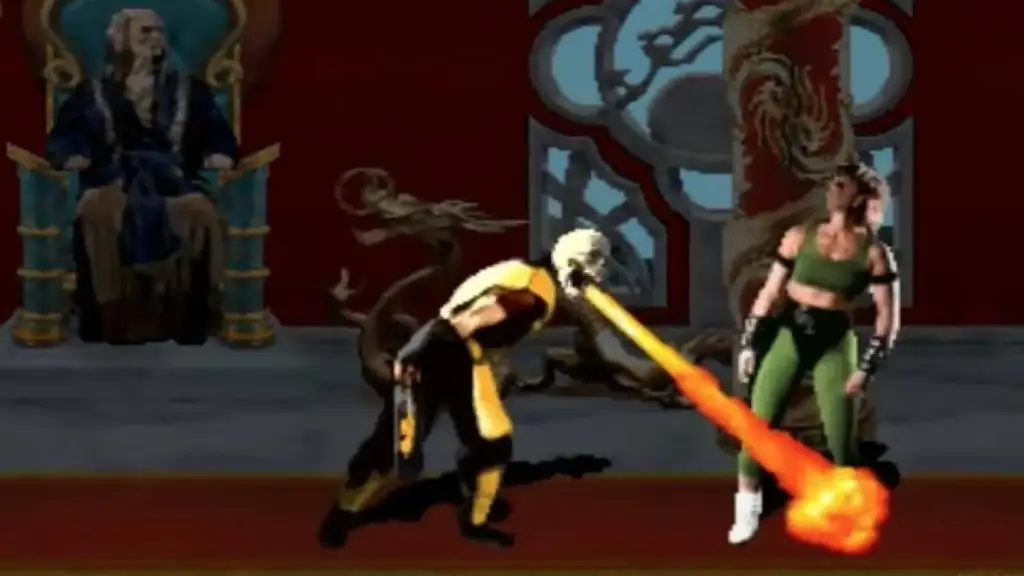
At the time, Mortal Kombat was the start of a huge outcry against violence in video games, reaching even levels of government arguing against its existence. The digitized graphics of the 1992 game may seem dated now, but back in arcades, the use of motion capture on real actors made the violence appear almost real to many players. For players, this was just another big appeal of the game, but to outside politicians and parents, Mortal Kombat was an afront to people’s morals. Senate hearings in the United States directly mentioned Mortal Kombat, and eventually led to the Entertainment Software Rating Board (ESRB) system we know today.
Games being rated T or M wouldn’t exist without Mortal Kombat‘s influence, but even after hearings, the game still had to endure various levels of discourse. The hearings were in 1993 and 1994, when Mortal Kombat 2 was already highly popular in arcades, but hearings threatened to impose more legislation if the video game industry didn’t “police itself.” As a result, home console versions of Mortal Kombat were somewhat censored, such as the port on the Super NES, which famously didn’t have any blood whatsoever. Meanwhile, the Sega Genesis version of Mortal Kombat included a secret “blood code” that players needed to input to access the game’s usual violence.
This would hardly be the end of video game violence discord, but Mortal Kombat is what made many players aware of how far things could be pushed. In fact, games like Grand Theft Auto or Manhunt would likely not have been as violent as they were if Mortal Kombat hadn’t tested those boundaries in the first place. Although there aren’t any committees in the government talking about video game violence now, it sometimes is used as a scapegoat to demonize younger people, blaming violence in games for different shootings or other tragedies. Thankfully, multiple studies have proven that games are not a source of violence, even titles with more violence in them like Mortal Kombat.
Long-Lasting Impact Of The Mortal Kombat Series Has Made It A Pillar Of The Fighting Game Genre
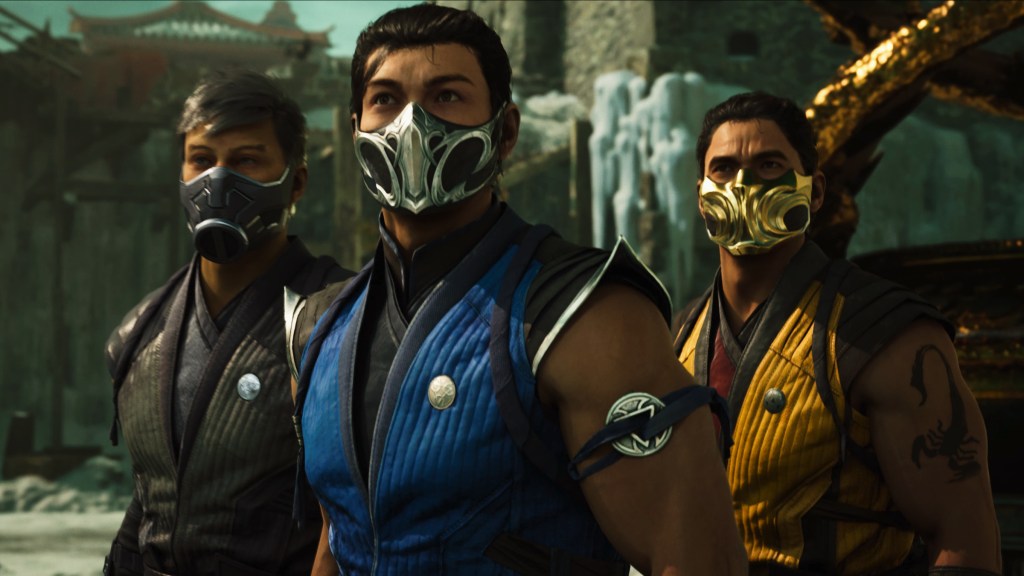
These days, Mortal Kombat has grown to become one of the biggest gaming franchises of all time, and easily the best-selling fighting game series at the same time. Games like Mortal Kombat 1 still dominate sales, despite a long history of lackluster titles throughout the series over the years. Mortal Kombat now stands next to Street Fighter as a game synonymous with fighting games in general, with multiple live action movies based on its setting as well. The bloody nature of the series has remained, continuing to push the limits of violence, albeit with a slight comedic edge with how over-the-top the blood and gore is.
Developer NetherRealm Studios is likely already at work on the next Mortal Kombat game, but that first title is still one long-time fans remember fondly. The 1992 title’s secret fighters like Reptile, the Fatalities, and notorious arcade difficulty make it a stand-out fighting game that has been brought back in collections and ported from consoles over and over. Few fighting games have the same level of influence as 1992’s Mortal Kombat, even if it is an extremely dated title in the genre within 2026.
What is your favorite Mortal Kombat game from the series? Let us know in the comments below!
More Gaming
-
Courtesy of Rockstar Games