Science fiction has given us plenty of ways to end the world. Giant asteroids, killer robots, alien invasions. Richard Kelly went with a jet engine, a troubled teenager, and a six-foot rabbit who looks like he knows something you don’t. Somehow, that became Donnie Darko. The 2001 film is strange, funny, deeply unsettling, and occasionally difficult to explain to somebody who hasn’t seen it. Good luck trying to summarize Frank without sounding like you’ve had a very weird dream.
Videos by ComicBook.com
Here’s what makes the movie so fascinating, though. Beneath all that time-travel confusion is a story about growing up in a world that doesn’t make much sense. Donnie has problems with his family, his teachers, and pretty much everybody who insists they know how life works. The end of the world is just another thing on his plate. The 2000s gave us brilliant science fiction in Memento and Eternal Sunshine of the Spotless Mind, but Kelly’s film has a personality all its own. It also went from a theatrical disappointment to a cult favorite. That’s quite a journey for a movie whose most recognizable character is a terrifying rabbit.
Donnie Darko Made Teenage Angst a Science Fiction Story
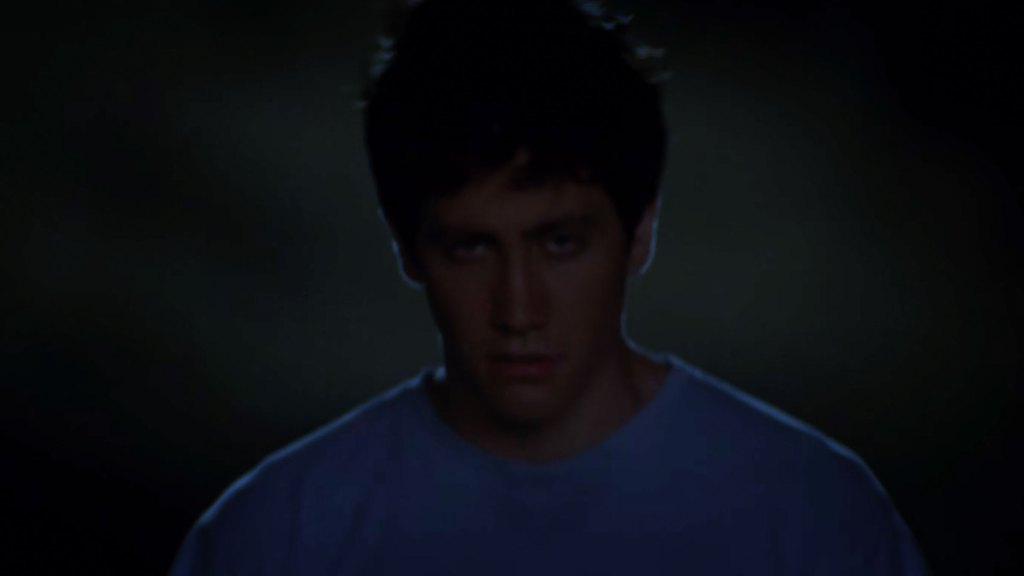
Donnie has enough problems before Frank shows up with news of the apocalypse. Jake Gyllenhaal plays him as a teenager who’s smart enough to question the adults around him but nowhere near as sure of himself as he’d like to be. His teachers are frustrating. His family doesn’t always know what to do with him. Then Gretchen comes along, and for a little while, Donnie gets to experience something close to an ordinary high school romance. Of course, this is Donnie Darko. Ordinary doesn’t last. There’s a surprisingly tender coming-of-age story hiding beneath all those strange visions and questions about the end of the world.
In my experience, the movie started making a comeback in the late 2000s and early 2010s. Merchandise began popping up in places like Hot Topic, and suddenly it felt like everyone was rediscovering it. I didn’t actually see the movie until around that time. My first viewing came courtesy of Blockbuster and a good old-fashioned DVD movie night.
That combination separates Donnie Darko from other mind-bending films of its era. Memento makes memory a puzzle, while Primer turns time travel into a nightmare of cause and effect. Kelly is interested in those ideas, too, but he’s just as interested in the people caught inside them. The film’s 1988 setting is full of suburban routines and adults who seem convinced they’ve got everything figured out. They don’t. That’s part of the joke. Donnie’s world feels familiar until something goes horribly wrong, and then you start wondering whether it was ever normal in the first place. Frank might be the strangest thing in the movie, but he’s hardly the only unsettling presence.
How Donnie Darko Became a Cult Classic
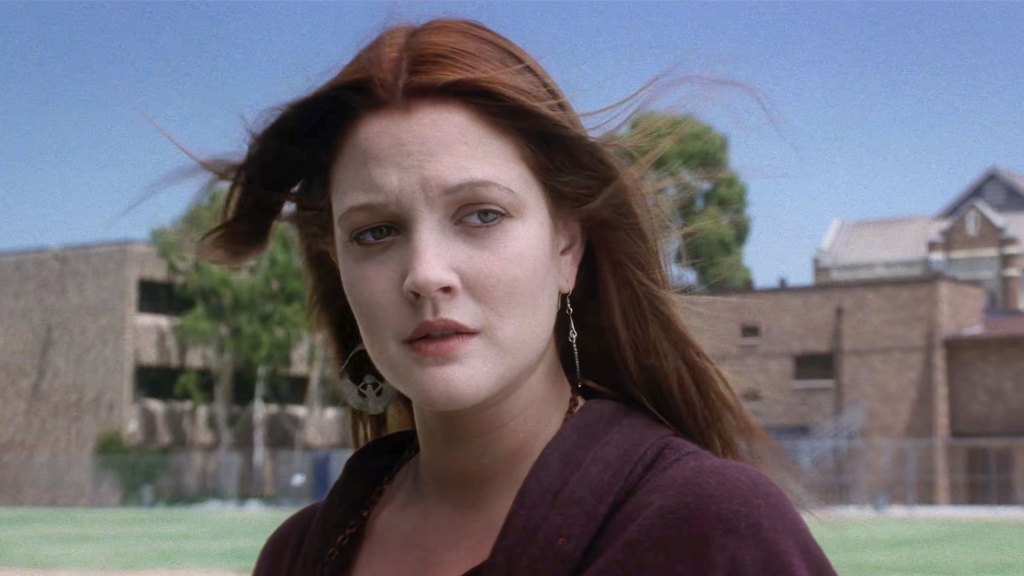
Getting Donnie Darko into theaters wasn’t easy. The film premiered at Sundance in January 2001, but finding a distributor proved difficult. Christopher Nolan and Emma Thomas eventually helped get it in front of Newmarket Films. Nolan had released Memento that same year, so he knew a thing or two about movies that asked audiences to do some homework. Unfortunately, Donnie Darko had another problem. It arrived in theaters in October, just weeks after 9/11. A movie about a mysterious jet engine falling out of the sky was suddenly a tough sell. The film flopped, but its story wasn’t over. Home video would give Frank and his giant rabbit a second chance.
Home video and midnight screenings eventually found the audience the film needed. Viewers started debating Frank, the Tangent Universe, and the meaning of Donnie’s final choices. The director’s cut added more material about the fictional book The Philosophy of Time Travel, giving fans another way to interpret the story. Personally, I prefer the theatrical cut because its unanswered questions leave more room for that uneasy feeling the movie does so well. Plenty of science fiction films give you a puzzle to solve. Donnie Darko gives you a puzzle that people still argue about years later. That’s a big part of its appeal. You can explain the plot to somebody, but explaining why the movie gets under your skin is a different matter entirely.
More Movies
-

Image Courtesy of Marvel Comics -
Image Courtesy of Warner Bros. -
Image Courtesy of Warner Bros.