Some horror movies are best remembered for what they show us. Others get a little more mysterious over time, especially when you discover that the version you watched as a kid wasn’t quite the version everybody else saw. Imagine sitting down to revisit a classic slasher, only to realize that entire scenes you remember are nowhere to be found. Did you imagine them? Did your childhood television somehow make the movie scarier? Or was Hollywood playing a trick on you?
Videos by ComicBook.com
As it turns out, television has a few tricks of its own. Back in the days when network broadcasts could introduce a horror classic to millions of unsuspecting viewers, getting a movie onto the small screen sometimes meant changing more than a few shots. One legendary filmmaker found himself in a particularly strange position: he had to cut down a movie’s nastiest moments while adding entirely new material. Although it was far from a horror remake, those additions would leave horror fans scratching their heads for decades.
How John Carpenter Added 12 Minutes to Halloween for Its 1981 TV Premiere
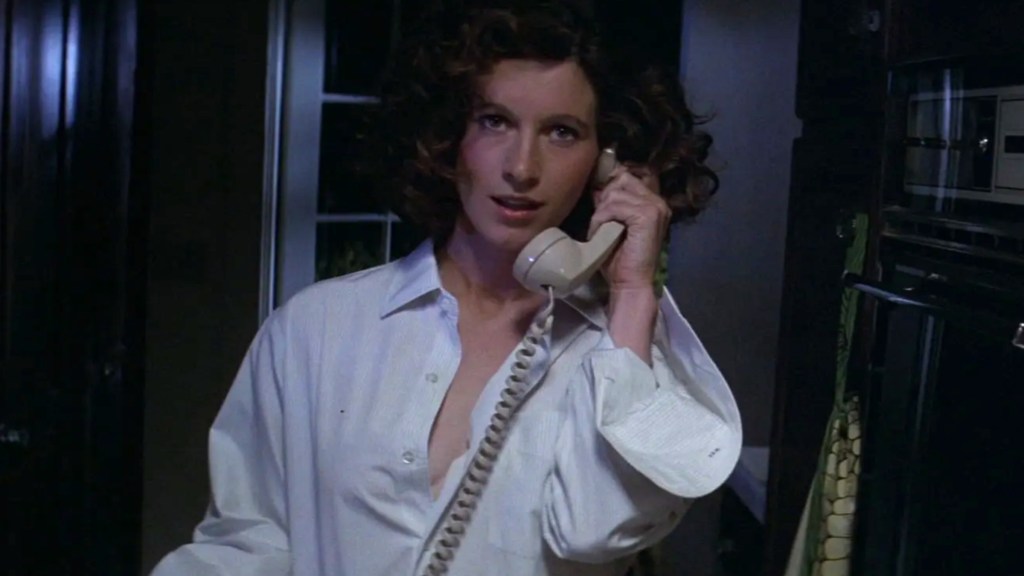
On October 30, 1981, Halloween made its network television debut on NBC, giving viewers a slightly different experience from the theatrical release. The catch? Network standards demanded cuts to the violence and nudity, while the two-hour broadcast slot still needed filling. John Carpenter and producer Debra Hill found a solution while working on Halloween II: shoot roughly 12 minutes of new footage, bringing Donald Pleasence and Jamie Lee Curtis back for scenes that never appeared in the original theatrical cut. Not your usual television edit, is it?
Here’s a fun little time capsule of Halloween’s NBC promo before the film aired on the TV network. This was way before my time, but I can still imagine the horror that parents and teens had in anticipation. Since movies were readily available to be watched digitally, anyone who wanted to see the movie for the first time would’ve had to make the extra effort to make plans so they wouldn’t miss it.
The most revealing additions of this version focused on Dr. Loomis and his long-standing belief that Michael Myers was far more dangerous than the doctors treating him realized. In one scene, Loomis argues Michael’s case before hospital officials, then confronts the six-year-old boy himself. It’s a chilling little exchange that gives Loomis’s obsession more history. Another scene takes Loomis back to Michael’s abandoned cell at Smith’s Grove, where the word “Sister” has been scratched into the door. Suddenly, the movie is pointing toward a family connection that wasn’t part of the original theatrical film’s story. This addition was developed to link the original with the sequel—a good move that was only possible after the fact. Meanwhile, a quieter scene has Lynda visiting Laurie to borrow a blouse, just as Annie calls to ask for the same thing. It’s an amusing bit of teenage housekeeping amid all the impending murder.
Why Halloween‘s Added Scenes Confused Horror Fans for Decades

Here’s where things get delightfully confusing. The theatrical version of Halloween never included these scenes, so viewers who first encountered the movie on NBC or later television broadcasts could grow up remembering footage that seemed to vanish when they finally watched the original. Imagine arguing with a fellow horror fan about a scene involving Loomis and a hospital board, only to discover that neither of you is wrong. You simply watched different versions. The extra footage wasn’t a deleted sequence secretly removed from Carpenter’s original theatrical release; it was filmed specifically for television during the production of Halloween II. The broadcast also trimmed material to satisfy network standards, meaning viewers got a strange mixture of new scenes and familiar moments cut short.
The family connection makes the confusion even more interesting. The added “Sister” clue foreshadows the sibling revelation developed in Halloween II, giving the television version a different relationship with the sequel. Then there’s Curtis, whose shorter hair by the time of the new shoot had to be concealed beneath a towel in the blouse scene to preserve continuity. It’s a wonderfully practical bit of movie magic, even if it looks a little odd when you know why it’s there. Carpenter wasn’t simply padding the runtime with random filler; some of these additions helped bridge the films, while others supplied character context that the theatrical version never needed. The result is a fascinating alternate cut that became part of many fans’ personal memories of the movie. Sometimes the strangest horror stories aren’t about Michael Myers at all. They’re about trying to remember which version of the movie you actually watched.
More Movies
-
IMAGE COURTESY OF MARVEL STUDIOS -
Courtesy of Orion Pictures -
Courtesy of Warner Bros. -

Johnny Depp in Ebenezer and Bill Murray in Scrooged