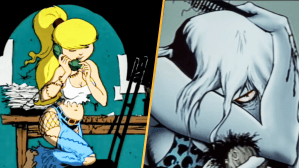
Forty years ago, one of Hollywood’s most unlikely action heroes made a leap nobody could have predicted. He had survived war, battled armies, and become synonymous with brutal 1980s action cinema. Then, somehow, he ended up on Saturday mornings. The blood was gone. The body count was gone. Even the danger had been carefully repackaged for younger viewers. But the wildest part wasn’t that this happened. It was that television had already proven there was an enormous audience waiting for him.
Videos by ComicBook.com
The problem was everything that came with that audience. By 1986, children’s entertainment was becoming increasingly controversial, particularly when toy companies started turning television heroes into products. And this particular hero came with a rather violent history. He wasn’t designed for children. He was designed for war. Yet for one brief moment, the impossible seemed to work. And four decades later, the story raises an even stranger question: what if the most bizarre version of this character was actually ahead of its time?
Rambo: The Force of Freedom Turned an R-Rated Hero Into a Saturday Morning Star

The idea sounds absurd now. Rambo, the scarred veteran played by Sylvester Stallone, becoming a Saturday morning cartoon hero? Yet Rambo: The Force of Freedom didn’t arrive as some tiny experiment destined to disappear unnoticed. It launched in 1986 with a five-part miniseries, and according to head writer Mike Chain, its initial ratings were remarkably strong for an animated program. The response was good enough to produce a staggering 65 episodes. Worldvision also cleared the series in more than 70% of the country, including 29 of the 30 largest television markets. Rambo wasn’t being quietly tucked away. He was being positioned as a major children’s action franchise. And surprisingly, there were other Saturday morning cartoons based on R-rated movies.
Naturally, there was one enormous problem. Movie Rambo could never simply be dropped into a Saturday morning cartoon unchanged. So the producers rebuilt him for a younger audience. Chain later said nobody was killed or seriously injured throughout the 65 episodes. Weapons appeared, but the violence was carefully sanitized. The emphasis shifted toward patriotism, teamwork, heroism, and compassion. It was an almost surreal transformation. The same character associated with one of Hollywood’s bloodiest action franchises was suddenly teaching children about cooperation. Somehow, the experiment worked. At least, for a while. Then television’s growing debate over violence came knocking.
Why Rambo’s Children’s Cartoon Became So Controversial
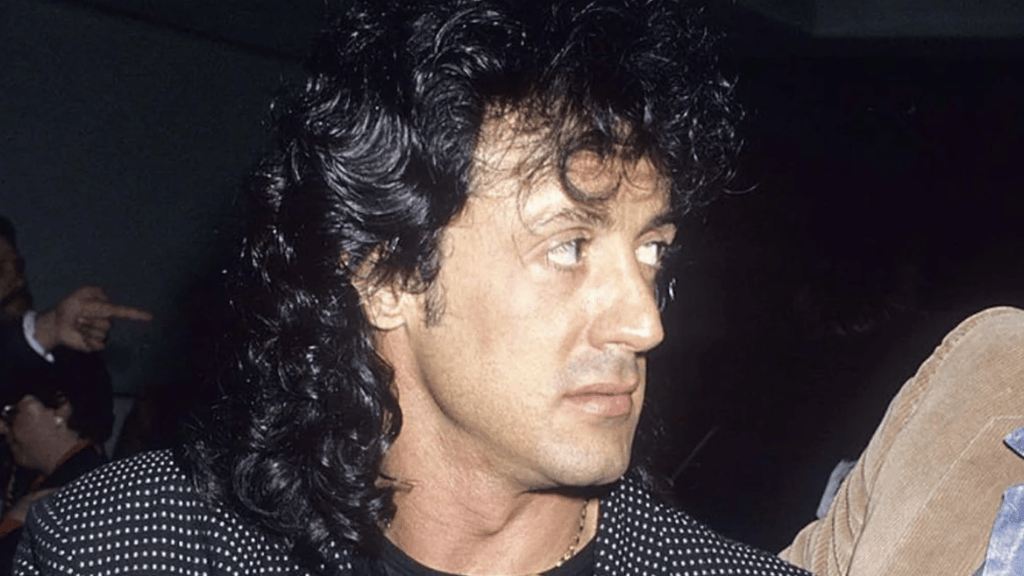
The problem wasn’t necessarily whether children wanted to watch Rambo. The bigger question was whether adults wanted Rambo sold to them as a children’s hero. In 1986, that distinction mattered. Children’s television was becoming a cultural battleground, with critics increasingly questioning violent programming, action figures, and the marketing machinery surrounding them. Rambo was almost perfectly designed to become a target. He represented war, weapons, and militarism. And those same ideas were being repackaged for children, complete with toys. The disconnect was hard to miss. The character had been created for adults, but suddenly he was sitting alongside kids’ toys. It seems like Rambo would’ve been perfect as a video game as well.
The backlash reached the companies behind the franchise. Activists criticized the idea of turning an adult action hero into a children’s icon. Then came an even bigger problem. Sylvester Stallone wasn’t exactly cheering from the sidelines, either. He publicly criticized the idea of making Rambo accessible to children. He even refused to expose his own kids to the cartoon and its toys. Talk about an awkward endorsement.
According to someone who worked on the show, the strong ratings also attracted the attention of children’s television critics. ABC eventually moved the series into an undesirable time slot while still honoring its contract. That account can’t explain everything. But the timing is hard to ignore. Rambo: The Force of Freedom had the ratings. It had 65 episodes. It had massive distribution. What it didn’t have was a culture ready to accept Rambo as a children’s hero. And now, even Rambo himself was pushing back.
What Would a Rambo Cartoon Reboot Be Like?
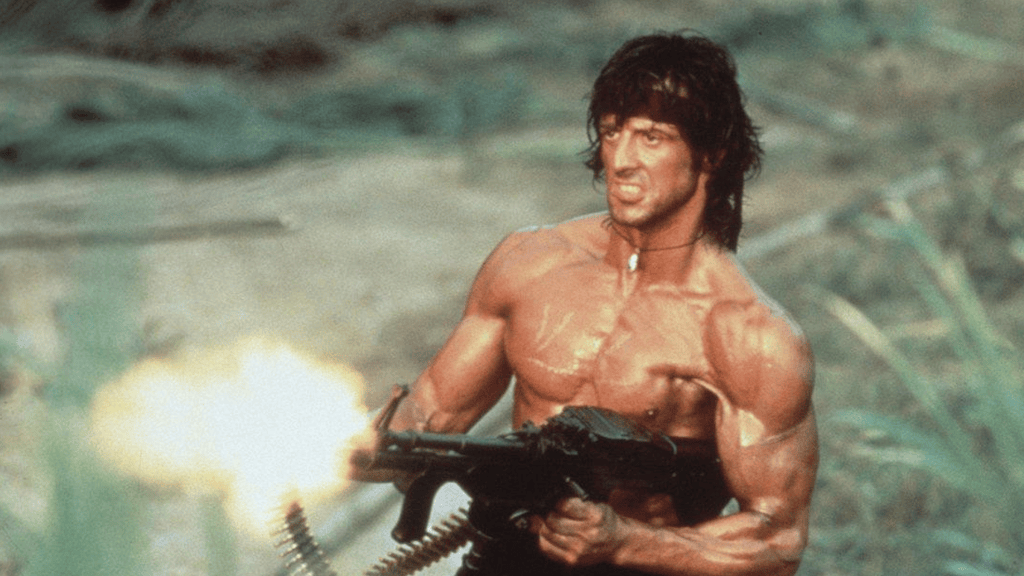
The Rambo series was an experiment caught between two eras. On one side was the explosive action culture of the 1980s. On the other was a growing concern over violence in children’s entertainment. Rambo landed right in the middle of that crossfire. He won the battle. He just didn’t win the war. And perhaps that is why the concept feels far less ridiculous today.
Animation has changed dramatically since 1986. There is plenty of room now for a more mature Rambo series. With the movie franchise looking toward a new chapter, an animated series could revisit Rambo in his prime. But it shouldn’t try to make him feel modern. That would miss the point. The appeal is in going backward. Bring back the ’80s look, the oversized action, the synth-heavy atmosphere, and that unmistakable Saturday morning energy. Let Rambo: The Force of Freedom feel like the cartoon that somehow escaped from 1986 and finally got a second chance. Sometimes the strangest ideas just need the right decade.
Maybe Rambo doesn’t need another sanitized Saturday morning cartoon. Maybe he needs a gritty adult animated series that embraces the blood, the ’80s, and everything that made the character an icon in the first place. And if Stallone actually came back to voice him, we might finally get the Rambo who reminds everyone that he really does draw first blood.