Most horror movies leave you feeling pretty bad by the time the credits roll. Not because you wish you could spend more time in that world, but because whatever happened on screen was seriously messed up. Now imagine throwing science fiction into the mix. The ’90s gave us plenty of sci-fi nightmares, from Alien 3 to The X-Files, but one movie took a simple rescue mission and turned it into something far more disturbing.
Videos by ComicBook.com
The strange thing is, audiences may never have seen the full version of this movie. Stories about deleted scenes have followed it for years, and some of the footage reportedly went much further than what made it into theaters. We’re not talking about a few extra lines of dialogue or an alternate ending, either. The original cut was said to contain some truly disturbing material, and much of it may be gone for good. For horror fans, that’s a pretty frustrating thought.
Event Horizon Had an Even Darker Cut Before It Reached Theaters
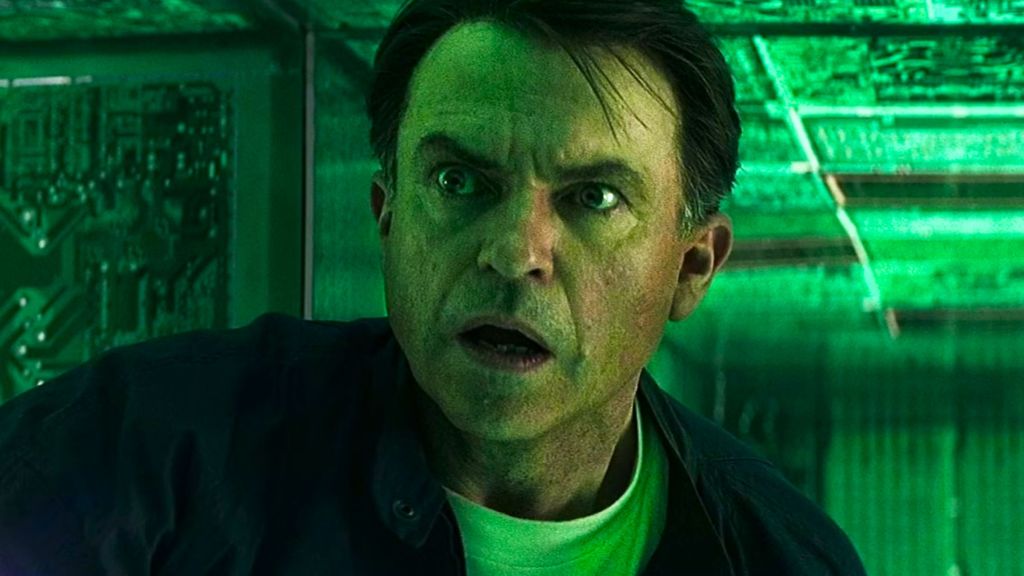
The movie was Event Horizon, Paul W.S. Anderson’s 1997 sci-fi horror film starring Sam Neill and Laurence Fishburne. The setup sounds simple enough: a rescue crew is sent to investigate a spaceship that disappeared years earlier and has suddenly returned near Neptune. But the ship’s experimental engine opened a gateway to somewhere nobody should have visited, and whatever came back with it has left the vessel looking like a floating house of horrors. If Alien made you nervous about exploring deep space, Event Horizon took that fear and gave it a much nastier twist.
One thing about this movie that really gets to me is how well-realized the space stations and vehicles are. The machinations are my favorite part bar none. It also has a visual style that blends Star Trek and TRON. You can check it out for yourself in the trailer below.
The theatrical version was already brutal, but Anderson reportedly delivered an original cut running around 130 minutes. The studio wanted a shorter film, so substantial material was removed before release. Some of the deleted footage reportedly showed even more graphic visions of the ship’s horrific past, including the infamous sequence involving the original crew. That material helped build the film’s reputation as one of the most disturbing studio horror movies of its era. The problem is that the longer version wasn’t preserved in the way fans would hope. Over time, reports emerged that some of the deleted footage had deteriorated or been lost, leaving no complete director’s cut readily available to restore. And for a movie that already feels like it escaped from somebody’s worst nightmare, the idea that an even nastier version might be sitting beyond our reach is almost too fitting.
Why Event Horizon‘s Lost Footage Remains a Horror Fan’s Nightmare
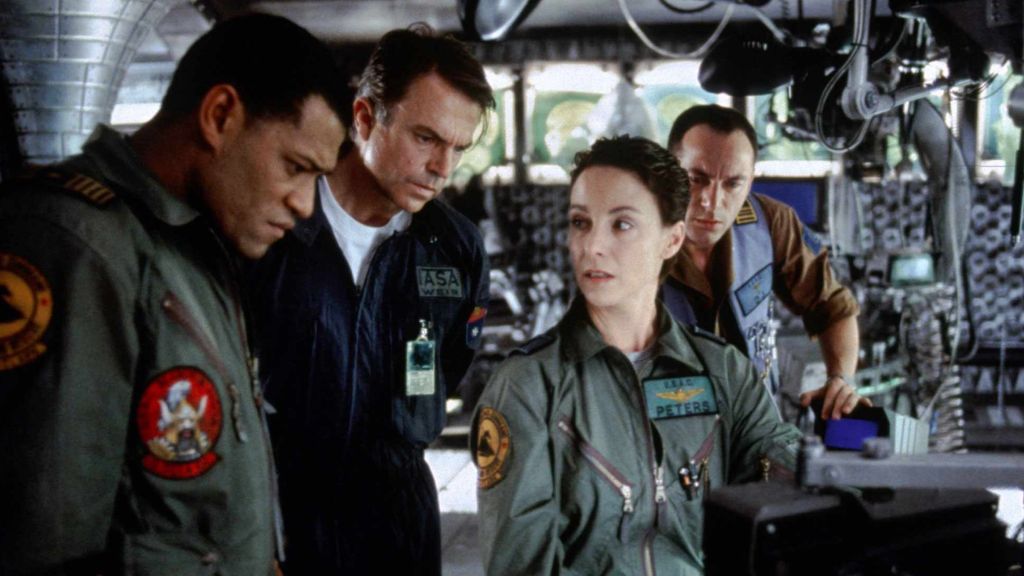
Here’s what makes the story so frustrating. Deleted scenes are nothing unusual, especially when a studio wants a film to move faster or avoid an uncomfortable rating. Usually, those scenes turn up on a special-edition Blu-ray, in an archive, or as a rough assembly that gives fans a better idea of what the director originally intended. Event Horizon is a different story. Reports about the missing material have suggested that some of it was stored under poor conditions, and the original film elements may have suffered serious deterioration. That doesn’t mean every deleted shot is gone, but it does mean a complete restoration has remained elusive. Fans have spent years hoping for a discovery that could finally settle what the original cut contained.
What makes this whole thing frustrating is that Event Horizon was already disturbing enough. It didn’t need another half hour of gore to get under your skin. But knowing Anderson filmed even more footage raises an obvious question: just how bad was the original cut? Horror fans have spent years hoping the missing scenes will turn up, but there’s no guarantee they’ll ever get to see them. The movie has become a cult favorite in the years since its release, and its missing footage is now part of the story. It’s a shame that a film with such a troubled production may never get the version its director originally intended.
More Movies
-

Image Courtesy of Sony