Late September is, at least in the Northern Hemisphere, a time when people begin to put away the trappings of summer and look forward to fall. While the rustling leaves and chilly nights may take a few more weeks to arrive, there is nonetheless a sense of anticipation in the air for apple cider, pumpkins, pies, leaf piles, early frost, scarves, boots… and Hobbits? Scrolling through any social media feed in late September, you might notice a sudden uptick in Hobbit-themed content. Costume tutorials, recipes, and general discussion of J.R.R. Tolkien’s little hairy-footed creations seem to overrun the internet out of nowhere this time of year, bringing charming music and tailored vests and a lot of recipes for second breakfast. You’d be excused for thinking your feed had glitched into Middle Earth for a few days.
Videos by ComicBook.com
However, this Hobbit invasion is not coming out of nowhere, nor is it a purely modern trend— in fact, International Hobbit Day, a worldwide spontaneous celebration of Hobbits (and more broadly of all things Tolkien) dates back over half a century. Let’s learn about what Hobbit Day is, where it came from, and how you can celebrate it yourself.
Why September 22nd?
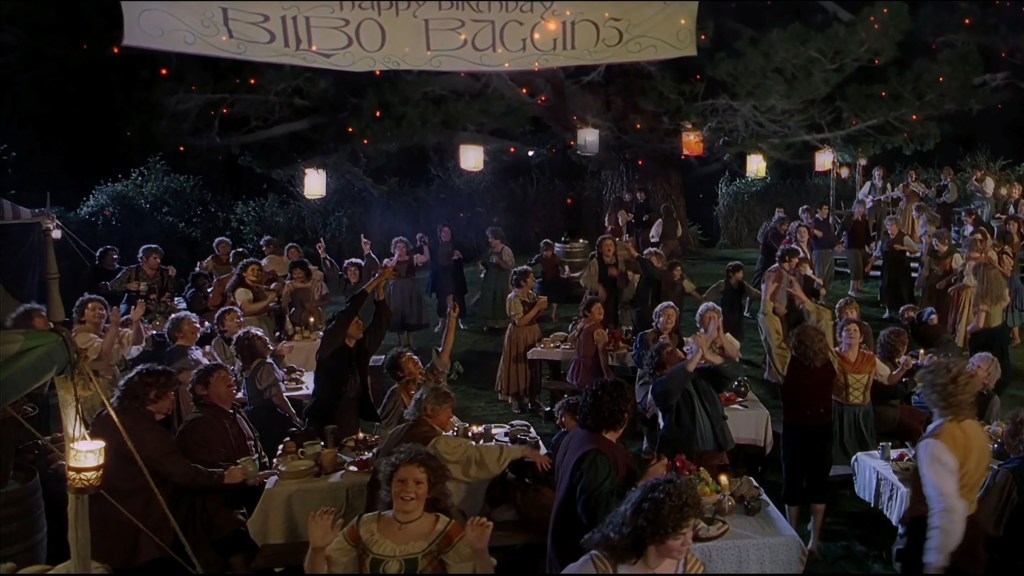
September 22nd is a date of no small significance to The Lord Of The Rings canon. Along with being the shared birthday of both Bilbo and Frodo Baggins (the latter of whom is, for any interested, seemingly set to cameo in the upcoming film The Lord Of The Rings: The Hunt For Gollum), the 22nd is also the date of Bilbo’s infamous 111th Birthday Party, where the elder hobbit’s memorable exit, and his bequeathing of the One Ring to Frodo, sets the stage for the later events of The Lord Of The Rings trilogy.
While it may seem strange that a high-fantasy setting such as Middle Earth has calendar dates that match our own, there is an explanation and it is fascinating. A scholar of linguistics long before he was a fantasy writer, J.R.R. Tolkien had initially created Middle-Earth as a setting for works in his various conlangs (invented, fully artificial languages). When it became clear that The Lord Of The Rings was on its way to becoming a full-fledged novel series, Tolkien back-translated many of his own conlangs into English.
Along with translating dialogue and names, Tolkien also took this opportunity to map the various calendar systems of Middle-Earth onto the Gregorian Calendar, and (despite some slight discrepancy due to the Shire having a different calendar than the rest of Middle Earth), September 22nd was listed as Bilbo and Frodo’s birthday. Back in our world, The American Tolkien Society proclaimed Hobbit Day (and the week surrounding it, which by coincidence also contained the anniversary of The Hobbit‘s publication) as official fandom holidays in 1978— and Hobbit Day has been spreading in worldwide popularity since.
How Exactly Does One Celebrate “Hobbit Day”?
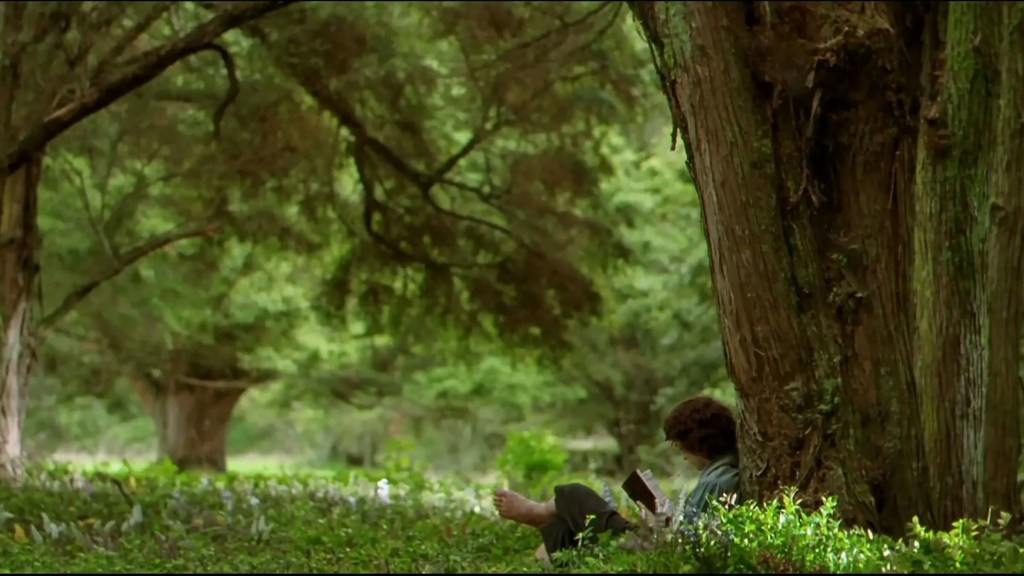
If you are interested in celebrating Bilbo and Frodo’s birthday yourself this year but aren’t sure how, don’t stress out just yet— Hobbit Day has no solid requirements for participation, with a wide range of activities, ranging from weeks- or months-long commitments to casual stay-home evening events, being popular within the fandom. On the higher-commitment end, some LOTR fan spaces hold Hobbit Day festivals similar to Renaissance Faires, complete with elaborate costumes, food cooked onsite, live music, games, and even sword dueling— the largest of these being held at the still-standing original Hobbiton filming set in Matamata, Aotearoa/New Zealand.
Less intense Hobbit Day celebrations can range from fully costumed picnics with friends and home-cooking a full day LOTR-themed dishes, to simply going on a barefoot walk, eating a second breakfast and binging The Hobbit or The Lord Of The Rings with some sort of cozy snack in the evening. So, this Hobbit Day, consider taking the day, the evening, or just an hour to kick off your shoes, grab something tasty, and pay The Shire a visit.
More Movies
-
Courtesy of Touchstone Pictures -

Image Courtesy of Warner Bros.