On January 12, 1962, Joseph Quesada was born. While that date may not stand out to most casual fans, it should. Few creators have played a more significant role in shaping modern Marvel Comics and, by extension, the Marvel Cinematic Universe.
Videos by ComicBook.com
For many comic fans, however, the name “Quesada” is not without controversy. His tenure at Marvel was marked by bold decisions, some of which left readers frustrated or divided. Yet, whether you love his work or criticize it, there is no denying that Quesada was the driving force behind Marvel’s revival and eventual dominance.
The Birth of a New Marvel Era
By the late 1990s, Marvel Comics was in dire straits. The disastrous comic book crash of the mid-1990s, coupled with questionable publishing strategies (remember the glut of chromium covers and gimmicky crossovers?), had left the company bankrupt and teetering on the edge of irrelevance. Marvel’s characters still had their cultural cachet, but the company itself was a shadow of its former self.
Quesada’s rise to prominence began in the late 1990s with Marvel Knights, a publishing imprint he co-founded with Jimmy Palmiotti. Marvel Knights gave creators more creative freedom, which led to critically acclaimed, darker, and more sophisticated takes on characters who had fallen by the wayside. Under Quesada’s guidance, Daredevil became a must-read title again, thanks to Kevin Smith’s “Guardian Devil” arc and later the seminal work of Brian Michael Bendis and Alex Maleev. Characters like Black Panther, The Punisher, and the Inhumans also enjoyed revitalization in Marvel Knights, proving that even B-list (or C-list) heroes could shine with the right creative team.
This was Quesada’s first significant contribution to Marvel’s eventual resurgence. He bet on quality storytelling over gimmicks.
Ultimate Marvel: The MCU’s DNA
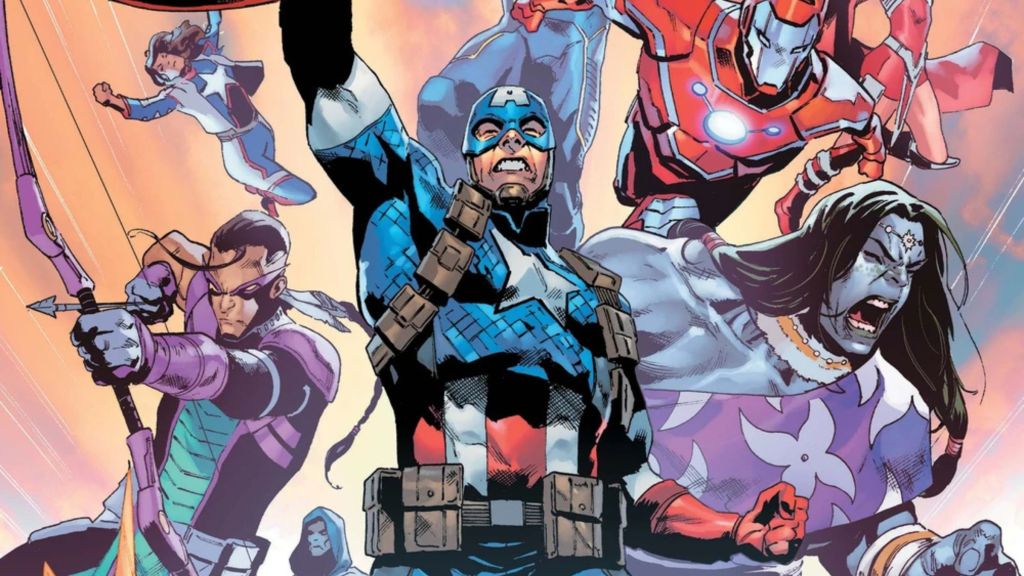
Launched in 2000 under Quesada’s leadership, Ultimate Marvel was a bold experiment. By reimagining Marvel’s most iconic characters in a modernized, continuity-free universe, it was a way to attract new readers without the baggage of decades of convoluted lore.
This imprint gave us Ultimate Spider-Man by Brian Michael Bendis and Mark Bagley, which reinvigorated Peter Parker’s story for a new generation. The series was accessible, character-driven, and deeply resonant. Similarly, The Ultimates by Mark Millar and Bryan Hitch redefined the Avengers as a slick, cinematic force. The darker, more grounded tone of The Ultimates — with its focus on flawed, human heroes in a post-9/11 world — was the clearest precursor to the MCU. Tony Stark’s snarky personality? Nick Fury modeled after Samuel L. Jackson? That all came from the Ultimate Universe. Without it, the MCU might not look or feel the way it does today.
Quesada’s willingness to greenlight the Ultimate line showed his knack for identifying what readers wanted: fresh takes that honored the spirit of the original characters while updating them for the modern era. It was a gamble that paid off spectacularly, bringing in new fans and giving Marvel a creative shot in the arm.
Marvel MAX: Comics Grow Up
Another of Quesada’s bold initiatives was the Marvel MAX line, launched in 2001. This imprint aimed squarely at mature readers, tackling adult themes and darker subject matter. Unlike the sanitized, family-friendly Marvel fare of the past, MAX titles didn’t shy away from violence, sex, or morally ambiguous heroes. Alias by Brian Michael Bendis, which introduced Jessica Jones, was a standout title that blended noir storytelling with deeply personal, human struggles.
MAX was about pushing the boundaries of what superhero comics could be. It opened the door for stories that were raw and unflinchingly adult, proving that Marvel wasn’t afraid to grow up alongside its audience. While the MAX imprint didn’t have the same direct impact on the MCU as the Ultimate line, its influence can still be felt in the edgier corners of the Marvel universe, from Netflix’s Jessica Jones to the Punisher’s brutal exploits.
The Spider in the Room: One More Day

Of course, no discussion of Joe Quesada’s legacy would be complete without addressing One More Day. Released in 2007, this storyline saw Peter Parker make a deal with Mephisto (basically Marvel’s version of the Devil) to save Aunt May’s life in exchange for erasing his marriage to Mary Jane Watson from existence. It was a controversial, divisive move that alienated many longtime Spider-Man fans.
Quesada’s rationale was that Spider-Man works best as a young, relatable, everyman hero — and a happily married Peter Parker was too settled, too “complete,” to maintain that dynamic. While there’s some logic to that argument, the execution of One More Day was widely panned. It felt like a betrayal of Peter’s character and undermined years of storytelling. Even today, One More Day remains a sore spot for many fans, a blemish on Quesada’s otherwise impressive résumé.
Joe Quesada’s tenure as Editor-in-Chief was not without its missteps but his overall impact on Marvel Comics is undeniable. For that, we owe him a debt of gratitude, even if we’ll never forgive him for Peter and MJ.
Most Viewed
-

Official art by Bastien Lecouffe-Deharme -
Image courtesy of Tor Books/Macmillan -

A photo of the Retrovolt Arcade taken in 2017, showing several classic arcade cabinets and stools. -

Courtesy of Saber Interactive -

Courtesy of TOHO Animation