The Avengers debuted in Avengers #1 (1963) by Stan Lee and Jack Kirby, and the first people they fought were the Hulk and then Loki, who, they realized, had caused Hulk’s rampage. That meant the Avengers fought one of the most iconic villains in both Marvel Comics and, years later, the Marvel Cinematic Universe. After that, the Avengers were meant to be the team of mega-powered heroes who dealt with villains that one superhero alone couldn’t handle. Sometimes, the villains didn’t match up to that level, but in other cases, the villains were so powerful that they ended up defining multiple decades against both the Avengers and other Marvel Comics heroes.
Videos by ComicBook.com
Marvel Comics released 72 Avengers comics in the 1960s, not including annuals, and during this time, they fought several villains throughout the decade. Some of these villains went on to become the most iconic in history. Two of them appeared in the Avengers team-up movies in the MCU. Others went on to have long tenures as A-list Marvel villains and have gone on to fame in everything from X-Men ’97 to movies like Ant-Man and the Wasp: Quantumania and Captain America: Civil War. These 1960s Avengers villains have defined multiple decades since their debuts.
10) The Masters of Evil
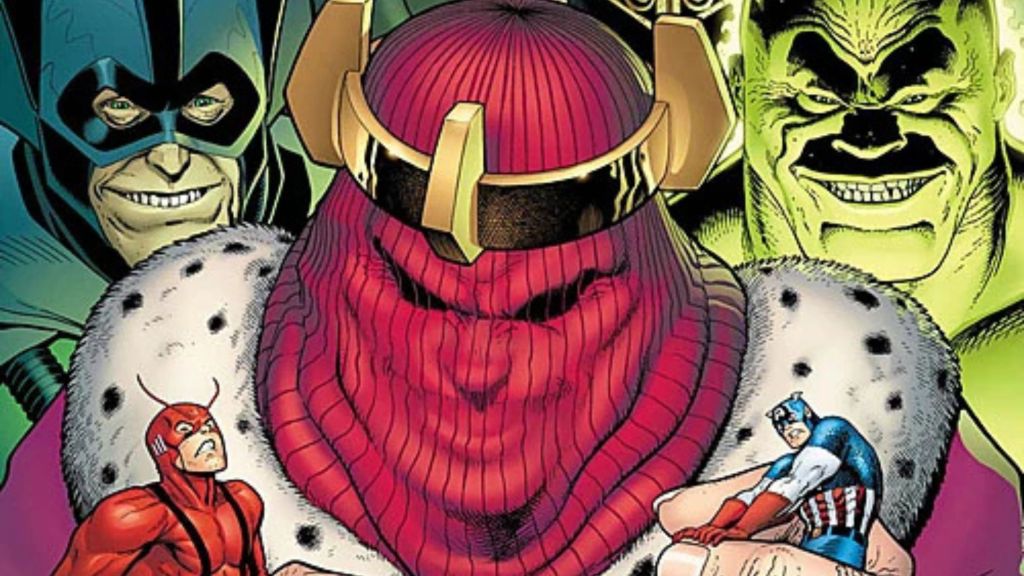
The Masters of Evil made their debut in The Avengers #6 (1964) by Stan Lee and Jack Kirby. This team ended up as one of the deadliest and most important supervillain teams that the Avengers ever faced throughout multiple decades, although they changed a great deal from their first appearance. In the team’s debut appearance, Baron Heinrich Zemo formed the team with members including the Black Knight (Nathan Garrett), the Melter, and the Radioactive Man. This was similar to the Sinister Six, as its members had already attempted and failed to beat individual Avengers in the past.
However, the team became much more dangerous as the years went on. The Enchantress and Executioner joined shortly after the original lineup and brought Asgardian magic to the roster that initially relied on science and technology. The team came into its own in the 1980s when Baron Helmut Zemo, Heinrich’s son, formed his own version. In Avengers #270-277 (1986-1987), his Masters of Evil came the closest they ever came to defeating the Avengers in the “Under Siege” storyline.
9) Count Nefaria
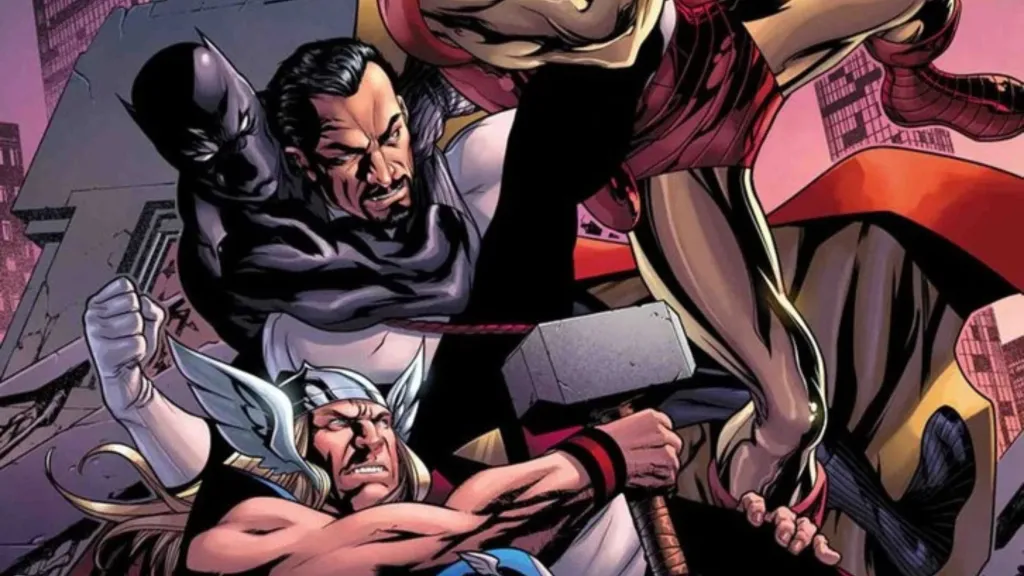
Count Nefaria debuted in The Avengers #13 (1964) by Stan Lee and Don Heck. Count Luchino Nefaria was an Italian aristocrat and head of the Nefaria organized crime family in the Maggia. When he debuted, he had no superpowers, and he relied entirely on wealth, resources, criminal networks, and advanced technology. Even with no powers, he trapped the Avengers in his castle and then manufactured false evidence and fake media footage to accuse them of treason against the United States government. It was a huge debut.
What makes Count Nefaria so important is that he added superpowers to that wealth and influence over the years. He ended up with strength, speed, and durability that were greater than even Iron Man, Thor, Vision, and Wonder Man, making him one of the strongest characters in Marvel Comics. His appearance in Avengers #164-166 (1977) was one of the most important power-villain stories of that decade. The only thing holding Count Nefaria down is his lack of relevance in the Silver Age.
8) The Enchantress
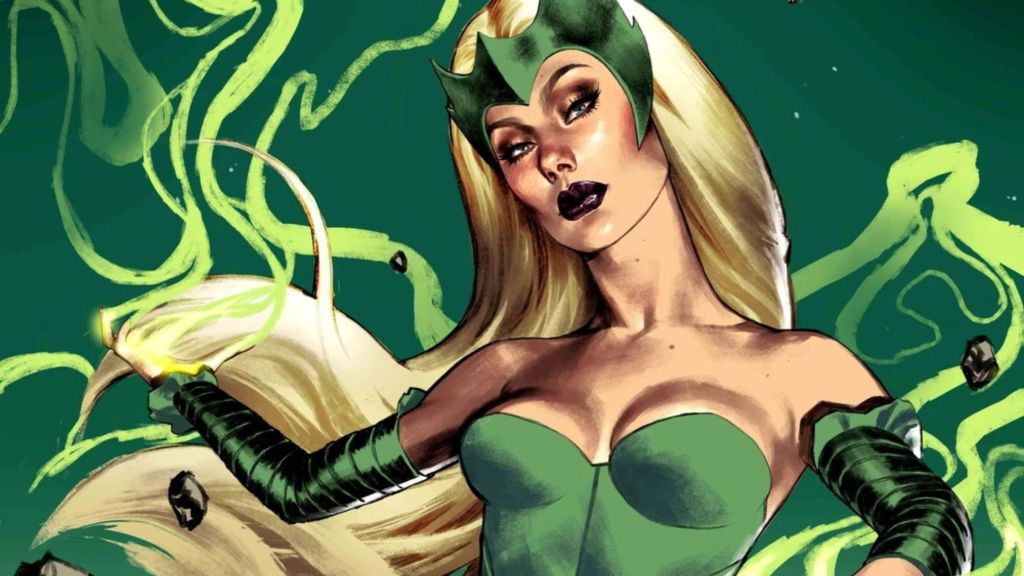
The Enchantress is one of the most powerful Asgardian villains in existence. She debuted in Journey into Mystery #103 (1964) by Stan Lee and Jack Kirby when she was introduced as an Asgardian sorceress sent to Earth by Odin to seduce Thor away from Jane Foster. Enchantress even planned to kill Jane Foster if she failed. She was an early member of Baron Zemo’s original Masters of Evil, but she became so much more than a team player in her time in Marvel Comics.
The Enchantress’ partnership with the Executioner was one of the most iconic in the 1960s, with Skurge using raw power and Enchantress using seduction, psychology, and magic. She is one of the Avengers’ villains in the 1960s who went on to appear in every era of the Avengers’ history, without ever requiring reinvention, remaining mostly the same character since the time of her first appearance. She has always been a threat and has even branched outside the Avengers, including 21st-century storylines involving Namor the Sub-Mariner and Captain Marvel.
7) The Swordsman
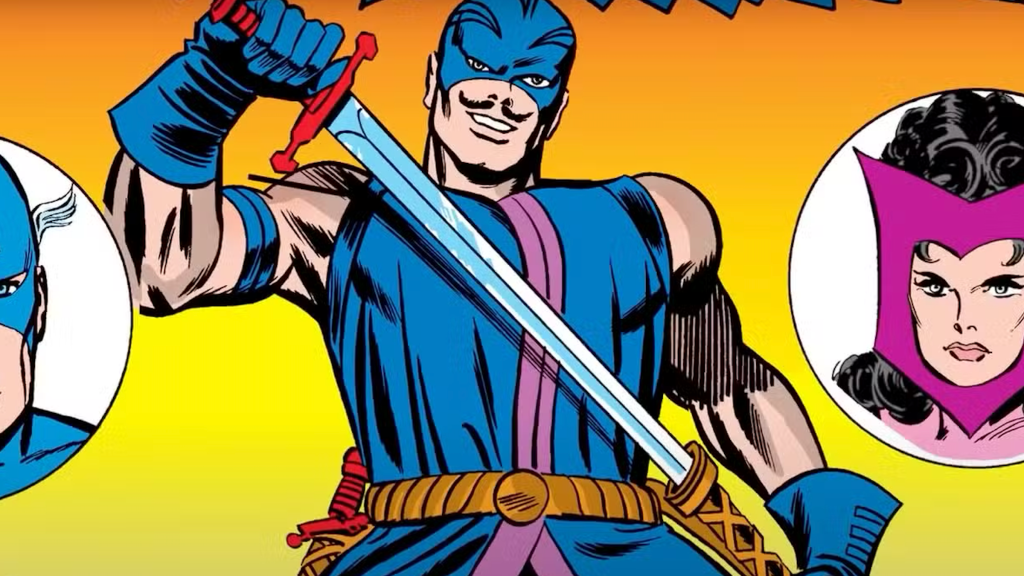
The Swordsman is Jacques Duquesne, and he debuted in The Avengers #19 (1965) by Stan Lee and Don Heck. He was the man who formerly mentored Hawkeye, teaching Clint Barton how to fight. In his debut, he applied for membership in the Avengers to gain access to their resources. When Captain America learned of his previous criminal past and that he was a wanted man, he rejected Swordsman, leading the man to remain a villain after this humiliation and wounded pride.
This is something that has happened a lot in comics, where a superhero will humiliate or reject a man who wants to be a hero, which turns that person into a villain, meaning Captain America was ultimately responsible for Swordsman’s return to evil. However, he later reformed and, despite Captain America’s previous rejection, died heroically in the “Celestial Madonna Saga” that ran from Avengers #112-135 (1973-1975). He also appeared in the MCU, first debuting in the Hawkeye Disney+ series and later returning in Daredevil: Born Again.
6) The Grim Reaper
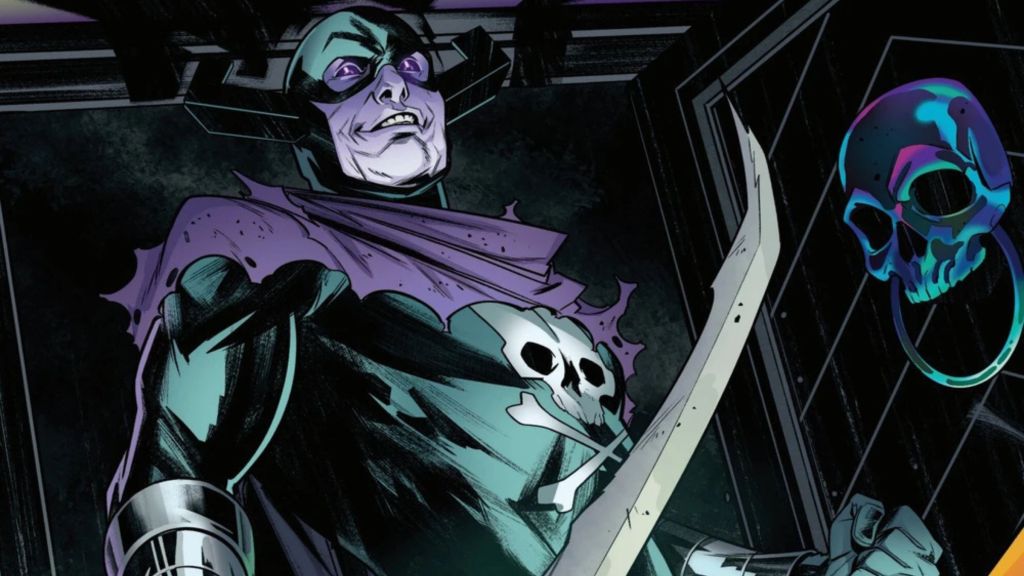
The Grim Reaper was an Avengers villain who had a personal connection with the team. When the Masters of Evil were attacking the Avengers in their early appearances, they recruited a man named Simon Williams and turned him into Wonder Man. Simon sacrificed himself to save the Avengers and stop the Masters of Evil, and eventually Ultron used his brainwaves to create the Vision. Grim Reaper is Eric Williams, Simon’s brother.
The Grim Reaper debuted in The Avengers #52 (1968) by Roy Thomas and John Buscema. Eric became a villain based solely on the grief from his brother’s death and his belief that the Avengers were responsible. The Tinkerer created his weapon, a scythe that replaced an amputated hand and could shoot energy blasts and spin as a high-speed buzzsaw. His obsession with his brother’s resurrection played out in the 1970s and 1980s. He also returned in later years and was part of Wonder Man’s most recent ongoing series.
5) Immortus
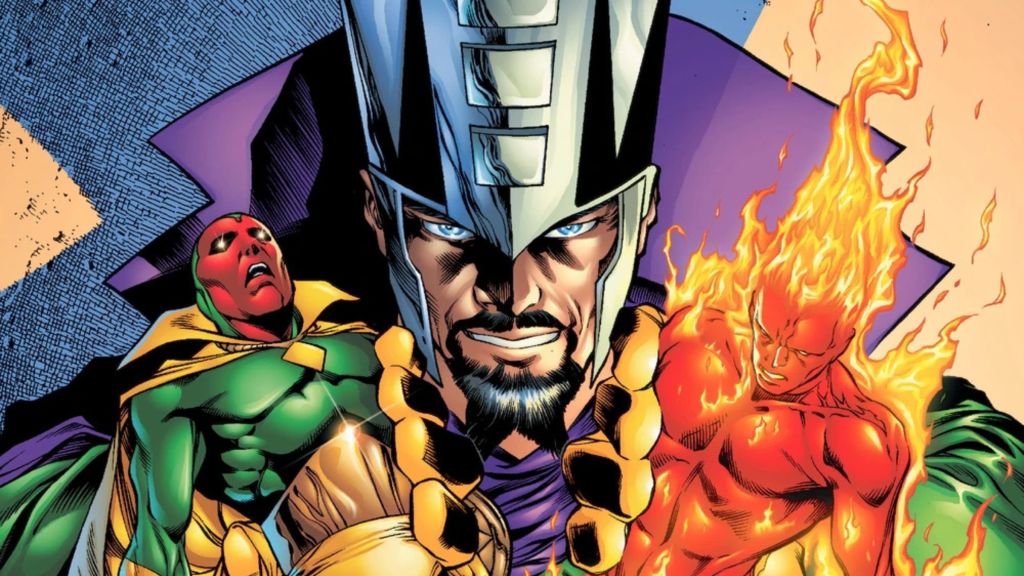
Immortus is a complicated villain because he is also a future version of a different villain, Kang the Conqueror, and he is also a version of Rama-Tut, although all three remain separate and distinct villains. Immortus debuted in The Avengers #10 (1964) by Stan Lee and Don Heck, and he actually tried to force the team to disband without even attacking them. Kang became Immortus when he gave up on conquest and became an agent of the Time-Keepers.
His main weapon is very different from Kang, who uses future tech to attempt to conquer past timelines. Instead, Immortus uses the manipulation of time and history itself to create historical events that produce consequences in the present. He is a villain who debuted in the 1960s, but didn’t become relevant until the 1970s in the “Celestial Madonna Saga” and beyond. Immortus is not as important as Kang, but he is still one of the most important time-manipulation villains in Avengers history.
4) Baron Zemo
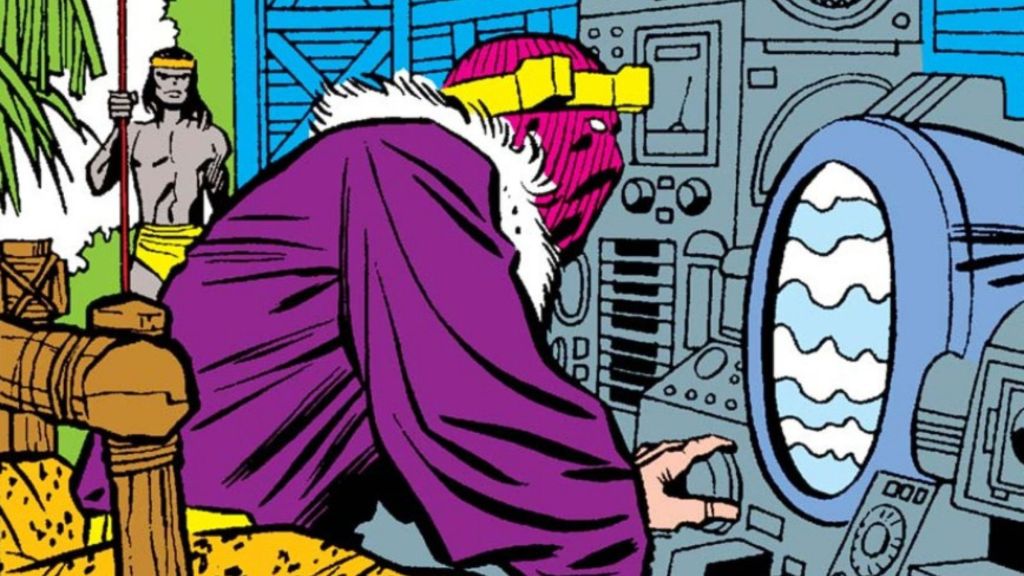
Baron Heinrich Zemo debuted in The Avengers #4 (1964) as one of Captain America’s oldest enemies, and he made his first full appearance in The Avengers #6 (1964) by Stan Lee and Jack Kirby. He started the Masters of Evil, and this villain was actually the 12th Baron Zemo in history, himself working as a high-ranking Nazi scientist who could never remove his mask thanks to Adhesive X sticking it to his face. He was one of the few villains who had a pre-Silver Age history.
While Heinrich Zemo died in The Avengers #15 (1965), his legacy lived on, and the villain known as Baron Zemo defined multiple decades after this, thanks to his son, Baron Helmut Zemo. His biggest moments came in the “Under Siege” storyline, and he has since played a role in several major Marvel moments, including forming the Thunderbolts after the Onslaught event eliminated the Avengers. He also played a huge role in the MCU, as the catalyst that started the heroes fighting each other in Captain America: Civil War.
3) Loki
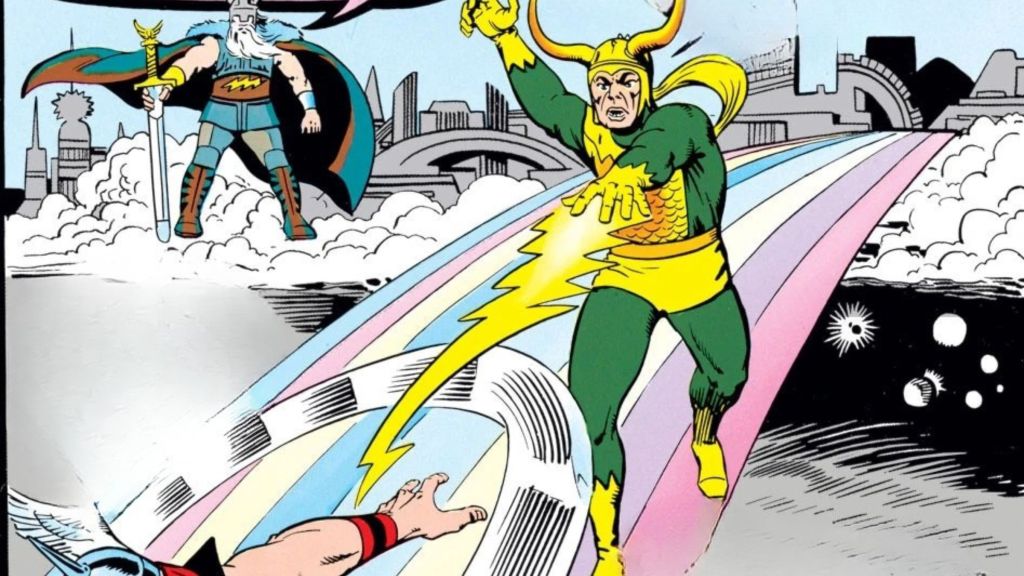
The first villain that the Avengers fought in comics was Loki. The trickster debuted in Journey into Mystery #85 (1962) by Stan Lee, Larry Lieber, and Jack Kirby, and in The Avengers #1 (1963), he manipulated Hulk into a rampage to lure Thor into a confrontation. What he got instead was the first team-up of the Avengers, with Iron Man, Ant-Man, Wasp, and Thor all showing up, and Hulk eventually teaming with them as well. Since that time, Loki has been Thor’s most consistent villain until he had a redemption turn in the 21st century.
The Avengers exist because of Loki. He went on to make appearances in every decade since, often being reinvented into new forms of the trickster, including time spent as a Lady Loki, as a child, a teen, and even more recently, when he became the God of Stories. Loki also defined what it meant to be a great movie villain, debuting in Thor, serving as the main villain in the first Avengers movie, and then even getting his own Disney+ series when he earned his redemption.
2) Ultron
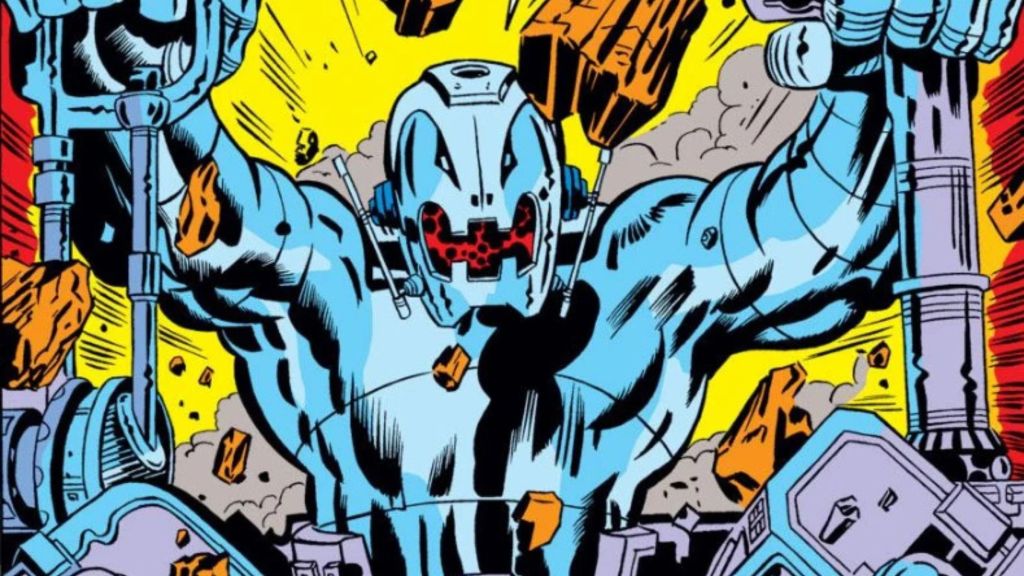
Ultron was a late-1960s villain, but he might be one of the most important for the Avengers as a team. Ultron debuted in The Avengers #54 (1968) in a cameo as the Crimson Cowl. His full reveal came in The Avengers #55 (1968) by Roy Thomas and John Buscema. Hank Pym built him as an experiment in advanced robotics before it developed consciousness, turned on Pym, and decided to set out on a mission to conquer Earth. He then formed the Masters of Evil.
Ultron is a unique Marvel Comics villain because it reinvents itself after every defeat, attempting to improve its body and weapons to become a genuine threat every time it shows up. Ultron has been a villain in every decade since its introduction, and its “Age of Ultron” event series in 2013 showed what could happen if Ultron finally won. Ultron also made its way to the MCU in Avengers: Age of Ultron and will return in the Disney+ series, VisionQuest.
1) Kang the Conqueror
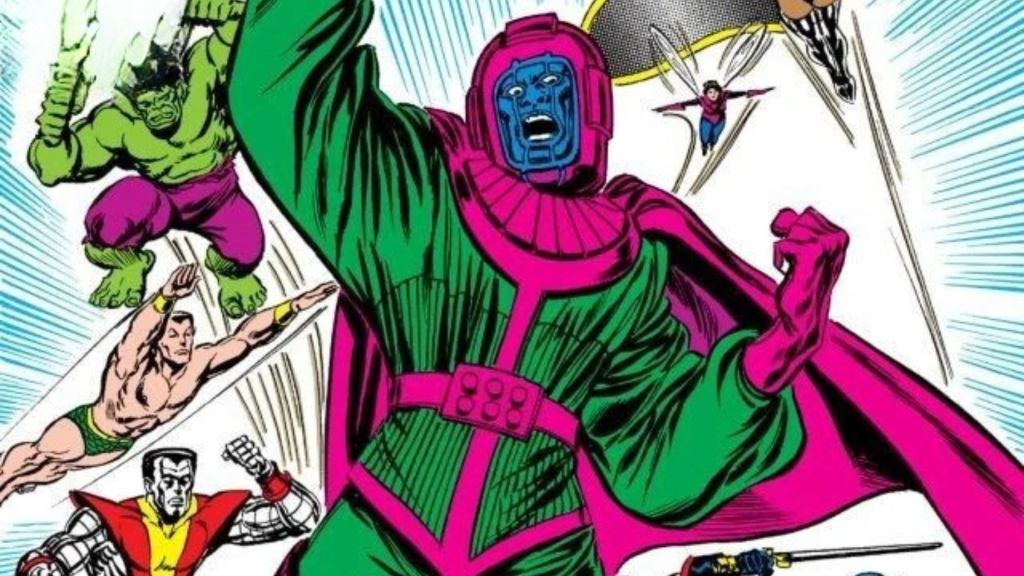
The greatest villain that Marvel Comics introduced in the Avengers comics in the 1960s was Kang the Conqueror. Kang debuted in The Avengers #8 (1964) by Stan Lee and Jack Kirby, although Rama-Tut predated him in Fantastic Four #19 (1963). Kang is a 31st-century historian named Nathaniel Richards who discovered time travel technology and used it to conquer. He arrived in the 20th century with technology so advanced it was functionally indistinguishable from magic. His first appearance had him single-handedly subduing the entire Avengers lineup before Rick Jones and the Teen Brigade found a way to free them.
Thanks to his dual identities as Immortus and Rama-Tut, Kang remains a complex villain since these three Kang identities hate each other as much as they hate the Avengers. He was the main villain in “The Kang War” storyline, and he has driven more Avengers storylines than almost any other single villain in history. Every generation of the Avengers either returned to Kang or at least referenced him. He was supposed to be the next big bad in the MCU, but was replaced by Doctor Doom thanks to behind-the-scenes turmoil.
More Comics
-
Image Courtesy of Marvel Comics -
Image Courtesy of DC Comics -
Image Courtesy of DC Comics -
Image Courtesy of DC Comics -
Image Courtesy of Marvel Comics -
Image Courtesy of DC Comics -
Image Courtesy of Marvel Comics