Gotham City has never been and will likely never be a safe place to live. Ever since its inception, it has been a cesspool of villains and crime like no other place in DC’s world. There’s Batman’s usual rogues gallery, filled with everything from “normal” homicidal maniacs to people whose obsession has given them the power to cast the world back into the Stone Age, if given half the chance. Of course, there’s also a cavalcade of curses and monsters that call the city home. Slaughter Swamp is a random body of water just outside the city where enough people died to foster some kind of dark energy that resurrects a zombie that can rip cars in half.
Videos by ComicBook.com
That’s not even mentioning the founding fathers summoning a demon with a blood sacrifice, or the various toxic, magical chemicals that lurk underneath the surface. Suffice to say, Gotham is a magnet for trouble that rips it apart. Batman’s newest event, Bad Seeds, is all about Poison Ivy destroying Gotham by growing prehistoric super-fauna, but this is far from the worst Gotham has faced. Today, we’re taking a look back at some of the many, many times Gotham has nearly been destroyed, why those stories worked, and what they did for Batman and his world. Without further ado, let’s grapple with Gotham’s bat-tastrophes.
5) “Contagion”

“Contagion” was a story that rocked Batman’s world back in 1996, serving as an early example of this type of story in modern Batman comics. It saw the Order of St. Dumas unleash a potent, weaponized strain of Ebola in Gotham City, infecting its residents and sending it spiraling into chaos. It was a race against the clock for the Batman Family to synthesize a cure before countless lives were taken, including Robin’s. This was a unique challenge for the Dark Knight, as this wasn’t a standard villain or a traditional mystery. It forced Batman to problem-solve in new ways and test his chaos-controlling skills.
This event, if you can believe it, only made Batman more paranoid and pushed him to begin planning new styles of contingencies for emergencies. What happened in this story is not nearly as important as what this story did to Batman’s comics in general. After “Knightfall” and its other parts, this was the second major Batman story to be told across the entire Bat-Family line of books. This event solidified that this type of crossover would be the norm, and they quickly took over Batman and his allies’ comics. Every major crossover today, in some part, was helped by what “Contagion” set up.
4) “Zero Year”
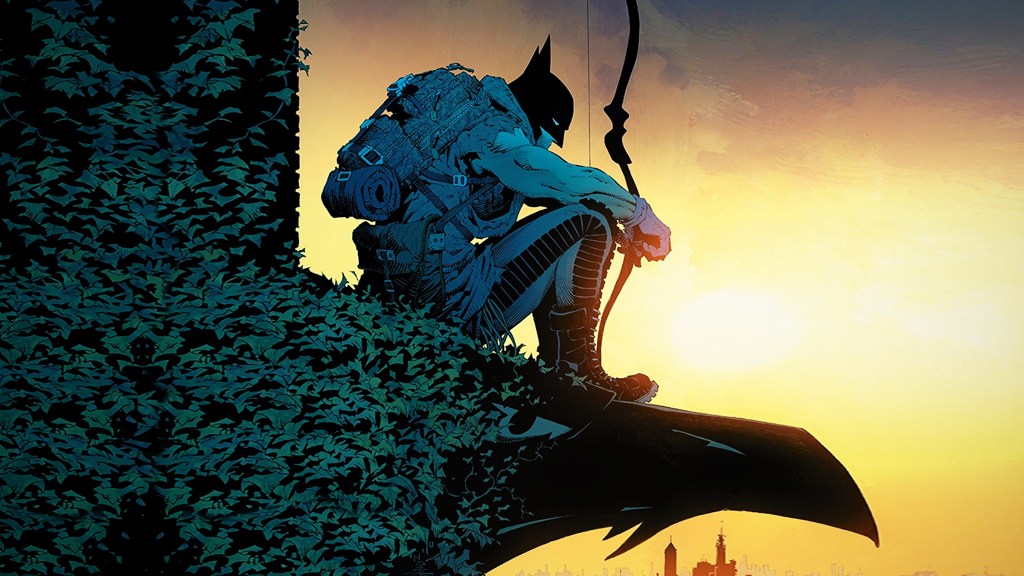
When the New 52 reset the DC Universe, it opened the door for new takes on these heroes’ earliest stories. For Batman, that meant a retelling of his origins that wanted to differentiate itself from the legendary “Year One.” In that regard, “Zero Year” definitely succeeded. It modernizes Batman’s debut and first adventure, immediately throwing him into conflict with the Red Hood Gang and the Riddler, who drowns Gotham and lords over it until someone can answer his riddles. This new origin established that Batman was a response to overcome the development of Gotham’s costumed criminals, and reimagined tons of classic Batman moments, from the Joker’s birth to his decision to become a bat.
“Zero Year” didn’t become the de facto new origin for Batman, but it did elevate him in a very unique way. Everything about this story was bombastic and over-the-top. From Batman fighting lions in a watery pit to restarting Gotham’s power grid with his heart, everything in this comic focused on pushing Batman to be bigger than ever before. This was in line with his jump to even higher levels in the years since. Batman’s stories are bigger and broader than ever now, and a huge part of that started here. Batman can fall from the moon now, and after a story like “Zero Year,” that’s par for the course.
3) “City of Bane”

“City of Bane” was the giant finale to Tom King’s infamous run on Batman (2016), and it definitely left its mark. Bane and the Flashpoint version of Thomas Wayne took over Gotham together, enforcing their will with Gotham Girl’s unmatched strength and Psycho Pirate’s mind control, turning Arkham’s worst villains into their enforcers and peacekeepers. They even held Alfred as a hostage to keep Bruce out of the way. In the end, Batman and the Bat-Family took down the two threats, but only at great cost, as Bane killed Alfred, who sacrificed himself and lied to get Batman to return to save the day.
Obviously, the biggest impact this story had was putting Alfred in the grave. He’s been such an integral part of Batman’s world for so long that it was impossible to imagine a Bat-story without him, and, surprisingly, this death has stuck to this day. Heck, Bruce even has a new servant in Verity Pennyworth. Without Alfred, Bruce lost the person who understood him best and supported him through his darkest moments, meaning he had to find a new path forward. He had to inspire himself and grow to be more emotionally open with his loved ones, knowing Alfred couldn’t translate for him. It’s been amazing, and as much as I love him, I hope Alfred doesn’t come back anytime soon.
2) “War Games”
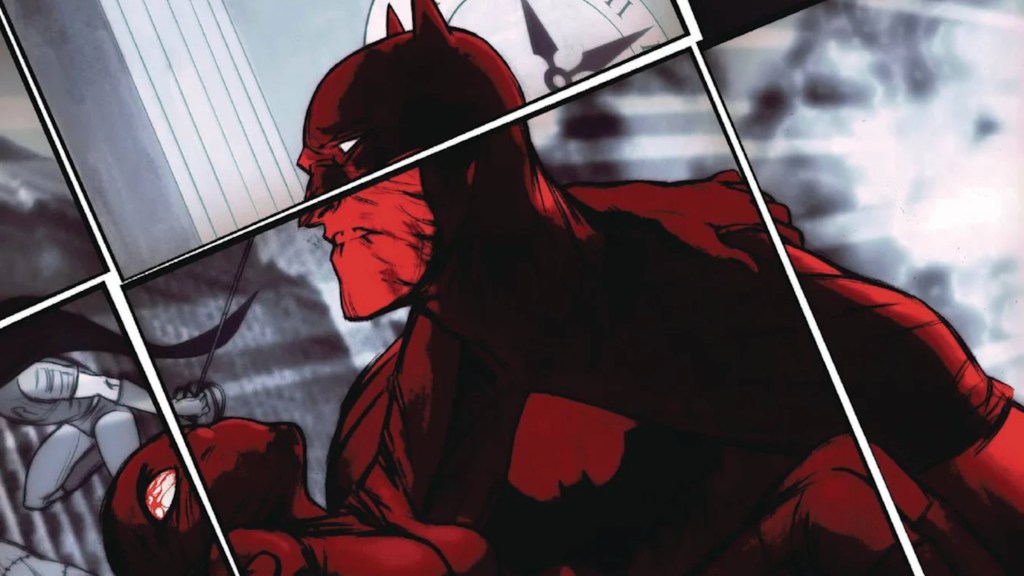
Unfortunately, “War Games” qualifies for the type of story we’re talking about. After her brief stint as Robin ended with Bruce firing her, Stephanie Brown was desperate to prove herself to Batman. She stumbled upon a contingency plan to unite Gotham’s entire underworld under one ruler, Matches Malone, and she started it to show Batman she was worth his time. Unfortunately, she didn’t know that Batman was Matches, leading to a massive gang war where Black Mask took over Gotham’s criminals, and Stephanie herself was seemingly killed.
This major crossover did a lot. It destroyed Oracle’s Watchtower and convinced her to leave Gotham for a time, killed Stephanie for years, and set up Leslie Thompkin’s betrayal of Bruce in a sequel story. In the end, this comic was just a story meant to have Batman lose another Robin, but what it wound up doing was driving a massive wedge into the Bat-Family that took years to remove. This shattered their hearts and their trust in each other for years, and even though they eventually all reconciled, it took time and pain to do so. This nearly killed Batman’s family, physically and metaphorically.
1) “Cataclysm”
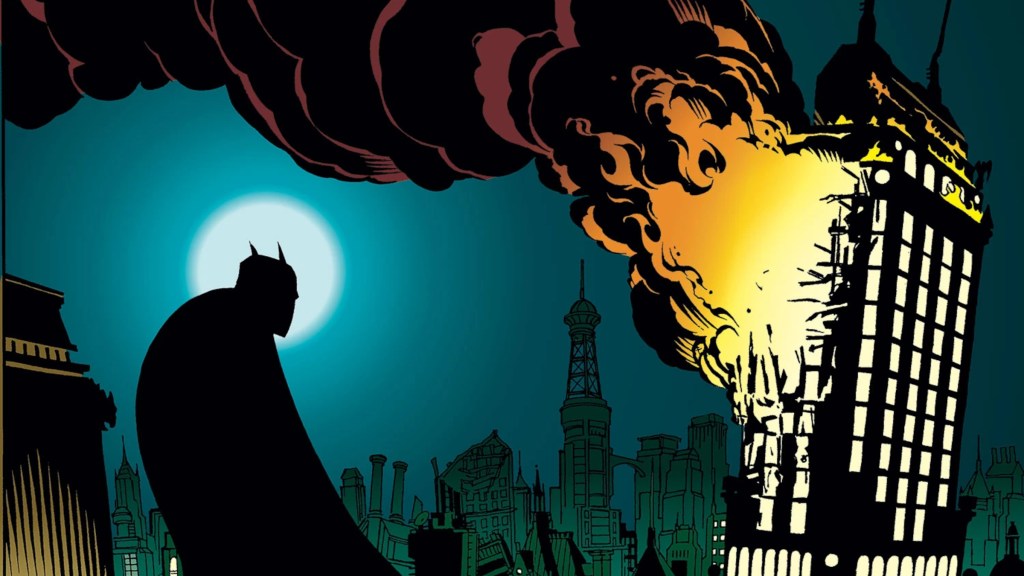
I’ve said before that “No Man’s Land” is Batman’s greatest underrated event, and the story that led up to it was no slouch, either. While “No Man’s Land” was the new status quo that changed everything, “Cataclysm” was the disaster that made it all possible. A 7.6 earthquake hit Gotham City, a place that had never truly experienced quakes before, like an eighteen-wheeler hit a deer. It threw the entire city into chaos, destroying Wayne Manor and ripping Gotham up by its foundations. Instead of just fighting criminals, Batman and the other Gotham heroes spent most of this event just helping get survivors out of trouble, and salvaging what they could of their home.
This story changed everything for Gotham. Obviously, it set up the acclaimed “No Man’s Land” saga that took Batman into the new millennium in the best way possible. Beyond just that, it forced Batman to realize that there were threats out there that even he couldn’t stop or plan for. This quake, more than anything else, inspired Batman to take his operation to the next level, eventually expanding the Bat-Family and becoming much more overtly active in preventing these kinds of situations. This earthquake forced Batman to evolve in a way that nothing else has since, and this step forward is still evident in every giant plan he draws.
Given how often Gotham is nearly destroyed, I’m surprised anyone still lives there. Which Gotham disaster is your favorite? Let us know in the comments below!
More Comics
-

Image Courtesy of Marvel Comics -
Image Courtesy of DC Comics -
Image Courtesy of Image Comics -
Image Courtesy of Marvel Comics -

Image Courtesy of Image Comics -
Image Courtesy of DC Comics -
Image Courtesy of Marvel Comics