Marvel Comics and events have gone hand in hand for 44 years, since Marvel Super Heroes Contest of Champions dropped, creating the event comic as we know it. While event comics have become a huge part of superhero stories across the industry, I would say that Marvel has become more known for their event comics than DC, mostly because they put out so many of them. Right now, Queen in Black is coming out. Avengers: Armageddon began, and DNX starts soon. That’s three major events all happening at the same times. Marvel is all about the event comic in a way they’re distinguished competition isn’t. While there’s definitely too many of them, the House of Ideas has put out some amazing events that have helped redefine what their universe can be.
Videos by ComicBook.com
However, when it comes right down to it, not all events can be amazing and groundbreaking. Some of them are merely good. And then, of course, there’s the bad ones. Over the years, the publisher has hyped up numerous events, getting fans excited for their stories, and then completely dropped the ball. Events are hard to get right and Marvel has failed at them many times over the years. These five Marvel events couldn’t live up to the hype, no matter how big they seemed to be.
5) Ultimatum
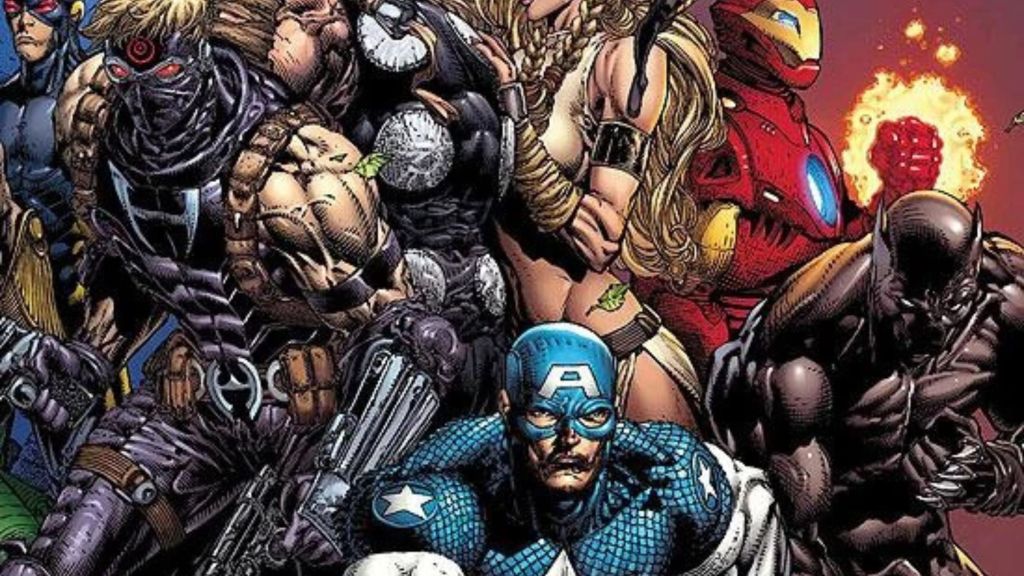
The first Ultimate Universe was massive in the early ’00s. Marvel was able to create a separate universe, starring the same characters as Earth-616, modernizing their origins and personalities. Books like Ultimate Spider-Man, The Ultimates, and Ultimate X-Men were hot as the sun, but once Mark Millar left and other writers were brought in to replace him, things started to fall off. Marvel brought in Jeph Loeb and charted the new course of the Ultimate Universe, starting with The Ultimates 3, a book that had a terrible reputation from the beginning. This led into Ultimatum, which saw Magneto, desiring revenge on the world for the deaths of Quicksilver and Scarlet Witch, unleashing chaos on the planet with his magnetic powers. A massive wave hits New York City, millions are killed worldwide, and the surviving heroes band together for one final showdown. This story is the definition of grimdark, as Loeb and David Finch gave readers some of the most brutal scenes imaginable. However, they forgot to put in anything fans would have liked. It can sometimes feel like a parody of an event comic, taking everything way further than it needed to go. It was meant to save the Ultimate Universe, but instead it dealt a near fatal blow to it.
4) Return of Wolverine
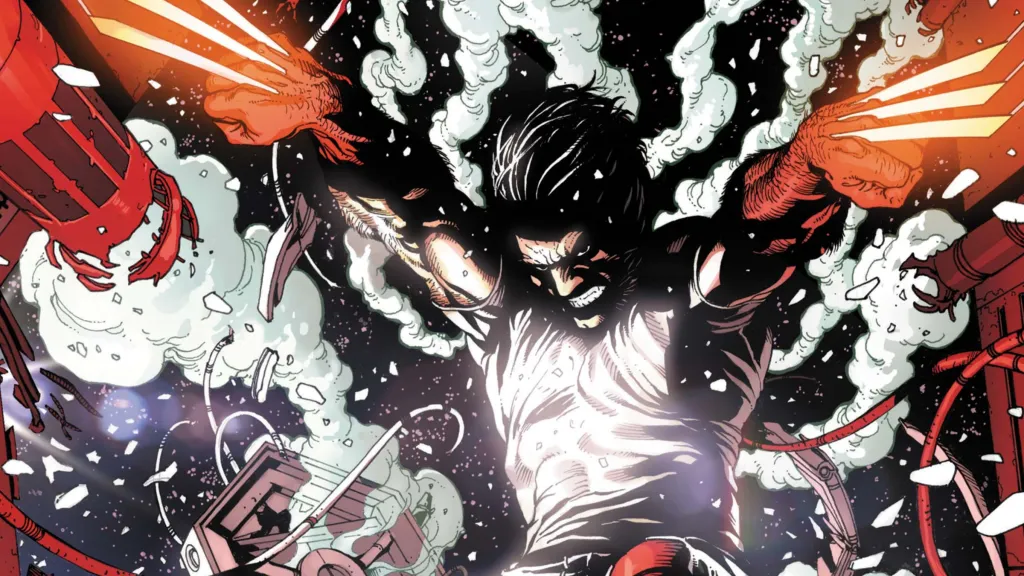
I say this as a Wolverine super fan – Return of Wolverine is the worst resurrection comic ever. The book reunited Death of Wolverine team Charles Soule and Steve McNiven, with artist Declan Shalvey doing issues #2-4 of the five issue series. However, Death of Wolverine was mid at best and Soule decided that the best way to bring back Wolverine was to introduce another secret organization of manipulators to his life. Everything about Return of Wolverine is bad, starting with the “Hunt for Wolverine” miniseries’, which were the definitions of cash-in tie-ins. Return of Wolverine has some amazing art, but its story is a massive problem. If you’ve read Wolverine comics, you’ve read this same story a million times, as an amnesiac Logan is manipulated by a force that holds all the cards. It’s sort of like cliche Inception; every cliched plot element leads into another cliched plot element. Wolverine is one of the greatest characters ever and Marvel chose to bring him back in the worst way possible, trading on his popularity rather than solid storytelling.
3) “X of Swords”
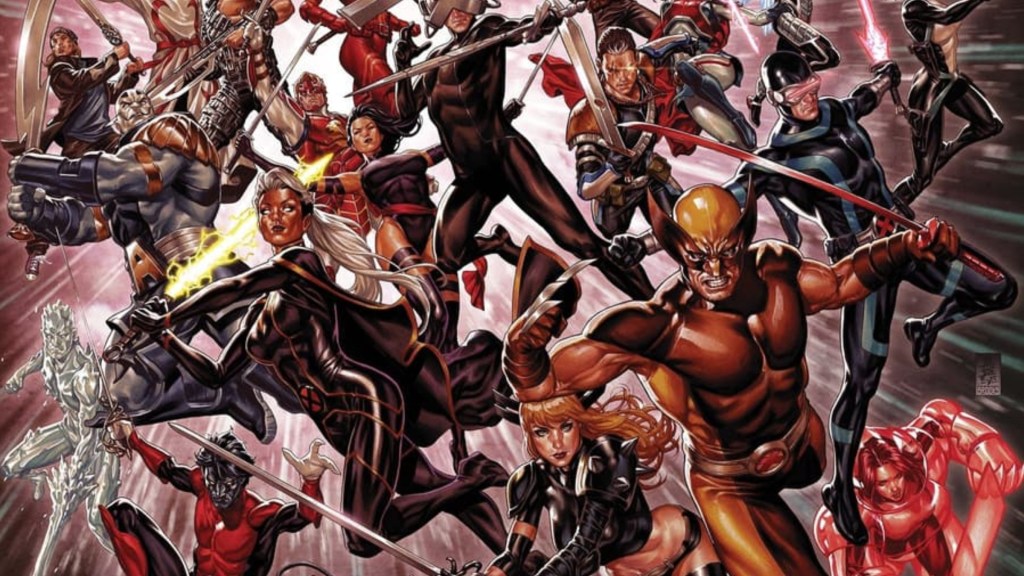
The Krakoa Era revolutionized the X-Men, making their books into the bestselling in the industry for the first time since the late ’90s. Eventually, Marvel would start teasing the first event of the era – “X of Swords” – and fans were immediately hyped. This story would see the return of Arakko, the sibling of Krakoa created from Okkara thousands of years before. Okkara had been attacked by the demonic hordes of Amenth and the continent was split in two, with half of them going to fight the demons in Otherworld and Apocalypse left behind to create an army on Earth in case they came back. The 22-part story was meant to give the battle between Krakoa and Arakko, with each side choosing fighters who had to find various swords before assembling for a showdown to see who would win. There are several problems with the story that hurt it. To begin with, the first half of the story is much too slow-paced, taking too long to get the pieces in interesting places and often failing completely to do so. The second half baited and switched readers; instead of giving them desperate battles, it gave them often whimsical contests between them. It retconned Apocalypse’s origin, which ended up making the character’s actions over the millennia kind of nonsensical. Finally, the last battle revolved around aspects of the book Excalibur, which at the time was the least-loved X-book. While it did introduce Arakko and the awesome Arakkii to the Krakoa Era, it’s a bloated, often boring story that ground the era’s momentum to a halt.
2) Age of Ultron
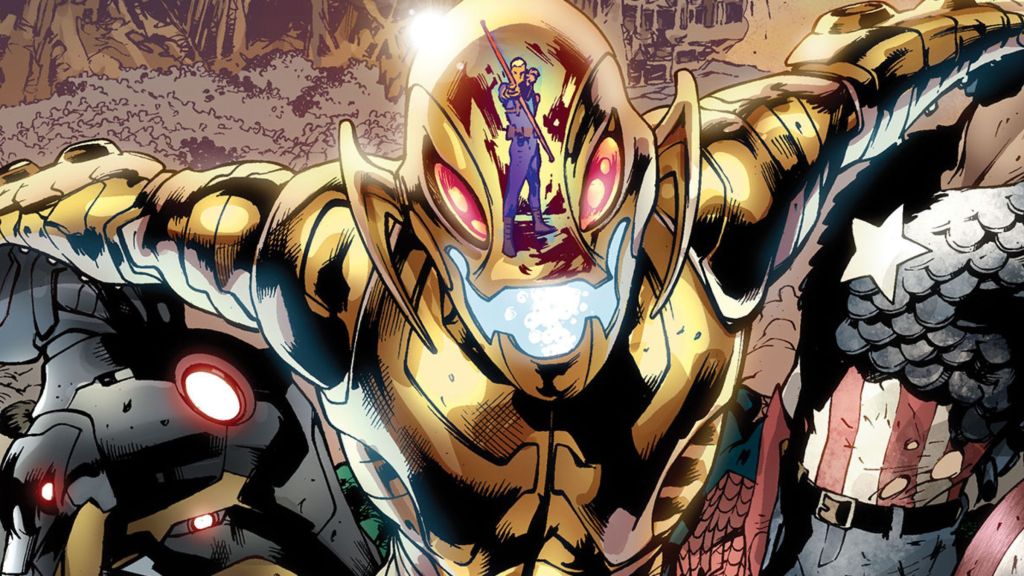
I’ve actually learned to enjoy Age of Ultron, but I’m definitely in the minority. The story was sold as the big return of Ultron and it was brutal in more ways than one. The 10-issue series from Brian Michael Bendis, Bryan Hitch, Carlos Pacheco, and Brandon Peterson saw the mad android conquer the world and kill most of the heroes, forcing the Avengers to come up with a desperate time travel plan to stop him. However, Wolverine and Invisible Woman decide to go back in time and just kill Hank Pym, changing the entire world. Age of Ultron started out as one story – a cool dystopian future with the Avengers facing impossible odds and then became a weird alternate universe story for no real reason. Like, I said, I actually enjoy the series nowadays, but at the time, this story was disliked rather quickly. It came in the year after Avengers hit theaters, when the team was at the height of their popularity, and it failed to impress readers.
1) Secret Empire

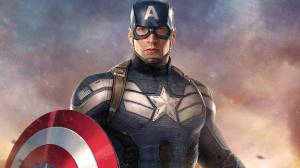
Captain America is Marvel’s greatest hero, the perfect example of everything a superhero could be. However, heroes going bad is a big part of superhero comics and that finally happened to Captain America in 2016. Steve Rogers: Captain America #1 ended with Steve saying something no one ever thought he would – “Hail Hydra”. That’s right, they made Cap a Hydra sleeper agent, with Marvel telling everyone this wasn’t an alternate universe Cap, but the real one (it was, but it revolved around a Cosmic Cube changing history). This led to him fooling the world into giving him the power to take over, leading Hydra in taking over the United States, forcing the world to acknowledge them. The 12-issue series (counting the prologue issue, but not the Free Comic Book Day one, and the epilogue issue) from Nick Spencer, Steve McNiven, Leinil Yu, Andrea Sorrentino, Sean Izaakse, Daniel Acuna, Rod Reis, and more I’m probably forgetting failed to impress by the time the second issue dropped. The build-up to the story was actually pretty good, but the book itself was slow and bloated. They even had to add an issue to the story, slowing it down even more and bloating it just a little bit more. While a lot of fans had problems with Cap joining Hydra, it’s still an interesting idea. However, Secret Empire found a way to botch the whole thing, becoming a legendary Marvel failure.
More Comics
-

Image Courtesy of DC Comics -
Image Courtesy of DC Comics -
Image Courtesy of DC Comics -
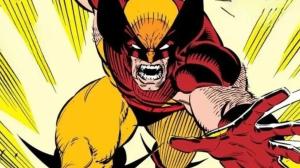
Image Courtesy of Marvel Comics -
Image Courtesy of Marvel Comics