Over the decades, DC Comics has operated like a vast mythological ecosystem. Yet for every celebrated classic, dozens of brilliant storylines have quietly faded into back-issue obscurity. These “lost” tales often dared to do what mainstream arcs couldn’t: challenge moral certainty, question heroism, or expose fractures in godlike icons. Many overlooked DC arcs deserve another chance precisely because their themes resonate more now than when first written.
Videos by ComicBook.com
The modern industry’s obsession with multiverses and event-driven storytelling has produced scale but not always soul. Revisiting underappreciated narratives could restore that human dimension. Readers don’t necessarily crave another universal reset; they crave emotional continuity, the connective tissue of what it means to be heroic in an age that constantly questions the very concept of heroism.
5. The Judas Contract (1984)
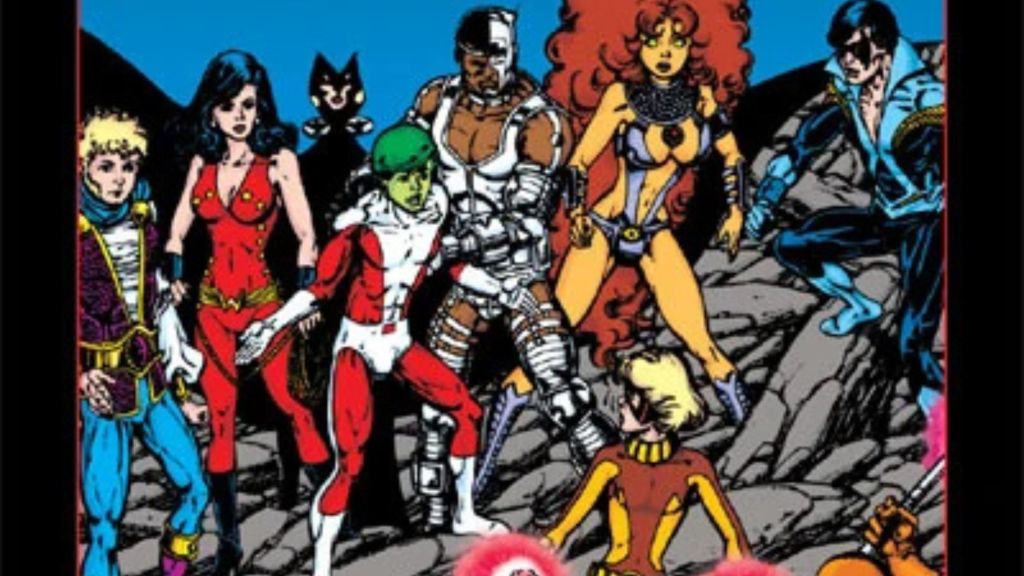
Perhaps one of the most iconic Teen Titans storylines, The Judas Contract by Marv Wolfman and George Pérez is often remembered as a definitive tale of betrayal. Terra, a seemingly innocent addition to the Titans, is revealed to be a double agent working for Deathstroke, leading to one of the most shocking twists in DC Comics history. The storyline not only explored themes of trust and loyalty but also delved into the personal lives of the Titans, making their eventual betrayal feel all the more tragic. It also gave us the origin of Dick Grayson’s transformation into Nightwing, a pivotal moment for his character. While this storyline has been adapted into animated films and referenced in other media, a full-on modern reinterpretation in the comics could be fascinating.
4. War of the Gods (1991)

George Pérez’s War of the Gods is an ambitious Wonder Woman-centric crossover that often gets overshadowed by larger DC events like Crisis on Infinite Earths or Infinite Crisis. The story pits the Greek gods against the Roman pantheon, with humanity caught in the crossfire. At its core, the storyline is a meditation on belief systems, cultural clashes, and the power of myth. Wonder Woman is thrust into the center of this divine conflict, having to mediate between warring deities while also protecting the mortal realm. It’s a high-stakes, mythology-driven epic that feels uniquely suited to her character.
Unfortunately, the original run of War of the Gods was plagued by editorial issues and a chaotic publishing schedule, which caused it to lose momentum. But with the rise of Wonder Woman as a cultural icon thanks to her successful films, this storyline is ripe for a second chance. A streamlined, modernized version could explore the intersection of mythology and modernity, as Wonder Woman navigates an increasingly fractured world where belief in gods has faded.
3. Superman: For All Seasons (1998)
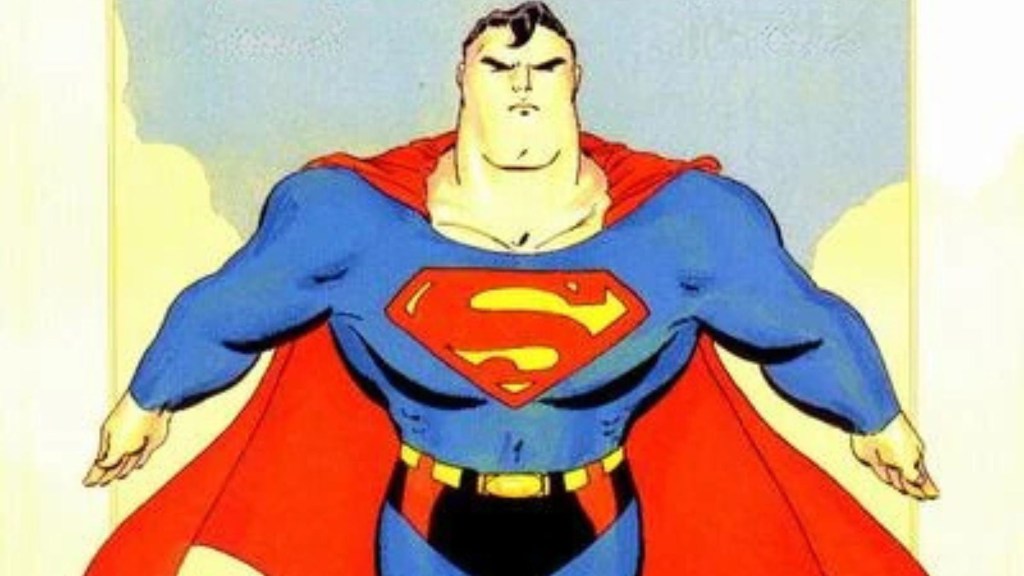
Written by Jeph Loeb and beautifully illustrated by Tim Sale, Superman: For All Seasons is a quiet masterpiece that explores the early years of Clark Kent’s life and his journey to becoming Superman. Told across four chapters, each representing a different season, the story focuses on Clark’s relationships with the people of Smallville and Metropolis.
While this is a beloved story among hardcore Superman fans, it often gets overlooked in favor of more action-heavy arcs like The Death of Superman or All-Star Superman. Revisiting this storyline in the modern era could reestablish Superman as a symbol of hope and kindness in a world often dominated by cynicism. This kind of introspective storytelling could remind readers why Superman remains relevant, even in an era that often favors darker, grittier heroes.
2. Emerald Twilight (1994)

Emerald Twilight is one of the most controversial Green Lantern storylines, and for good reason. Written by Ron Marz, the story depicts Hal Jordan’s descent into madness after the destruction of his hometown, Coast City. Overwhelmed by grief, Hal attempts to use his ring to reconstruct the city, but when the Guardians of the Universe intervene, he turns against them, kills his fellow Lanterns, and becomes the villain Parallax. While the storyline was divisive at the time, it paved the way for Kyle Rayner to take up the mantle of Green Lantern and introduced one of the most layered villains in DC history.
Despite its initial backlash, Emerald Twilight deserves a modern revisit to explore the psychological toll of loss and failure. In an era where mental health is more openly discussed, Hal’s breakdown could be reexamined with greater nuance. With the multiverse and legacy characters playing a bigger role in DC’s current landscape, a new Emerald Twilight could explore how Hal’s fall impacts not just his own universe, but others as well.
1. The Great Darkness Saga (1982)
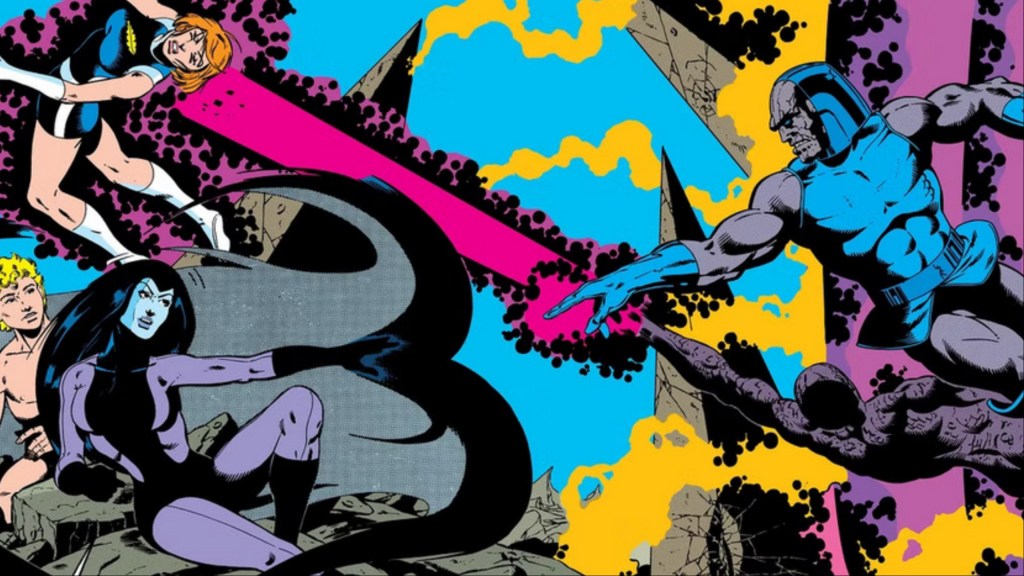
Widely regarded as one of the greatest Legion of Super-Heroes stories ever told, The Great Darkness Saga by Paul Levitz and Keith Giffen pits the Legion against Darkseid, the god of evil himself. Set in the 30th century, the storyline begins with mysterious attacks orchestrated by an unknown figure who is eventually revealed to be Darkseid. What follows is a cosmic epic where the Legion teams up with other heroes of the future to combat a threat that could consume the universe. The story is a masterclass in world-building, character development, and high-stakes storytelling.
While The Great Darkness Saga is a beloved classic, the Legion of Super-Heroes has struggled to maintain mainstream relevance in recent years. A modern retelling of this storyline could reignite interest in the team while reintroducing Darkseid as a multiversal threat.
What do you think? Leave a comment below and join the conversation now in the ComicBook Forum!
Most Viewed
-
Courtesy of Lionhead Studios -
Courtesy of Eight-Bit -

Image via Prime Video -

Courtesy of Toei Animation