The Krakoan Age of the X-Men comics is often looked back on as one of their freshest and inventive eras in decades. We saw the entire mutant community come together and agree to work towards a goal, all on the same page for the first time. They broke free of the constantly repeating cycles of genocide and running from humans and built something that nobody saw coming. It also cannot be denied that the initial comics showing Krakoa’s founding are some of the tightest and most smartly written stories Marvel has ever produced. All in all, a lot of people love Krakoa and want it to return, but that would actually be a terrible thing for the X-Men.
Videos by ComicBook.com
Krakoa had problems from the onset. There’s no one that can deny that bringing people like Apocalypse and Mister Sinister onto the ruling body was insane, considering neither changed their views or ideals when joining. Of course, then there’s Moira’s plan of using Krakoa to wipe out mutantkind in a diabolical attempt to save their lives. And let’s not overlook all the dark dealings the Quiet Council, especially Magneto and Professor X, made to keep their nation running. Still, none of those issues compares to the real problem with Krakoa, which was present from its inception. Krakoa threw the core mission of the X-Men on the ground and ripped it apart, because Krakoa is where mutants decided they weren’t human anymore.
The X-Men Always Had A Dream of Coexistence
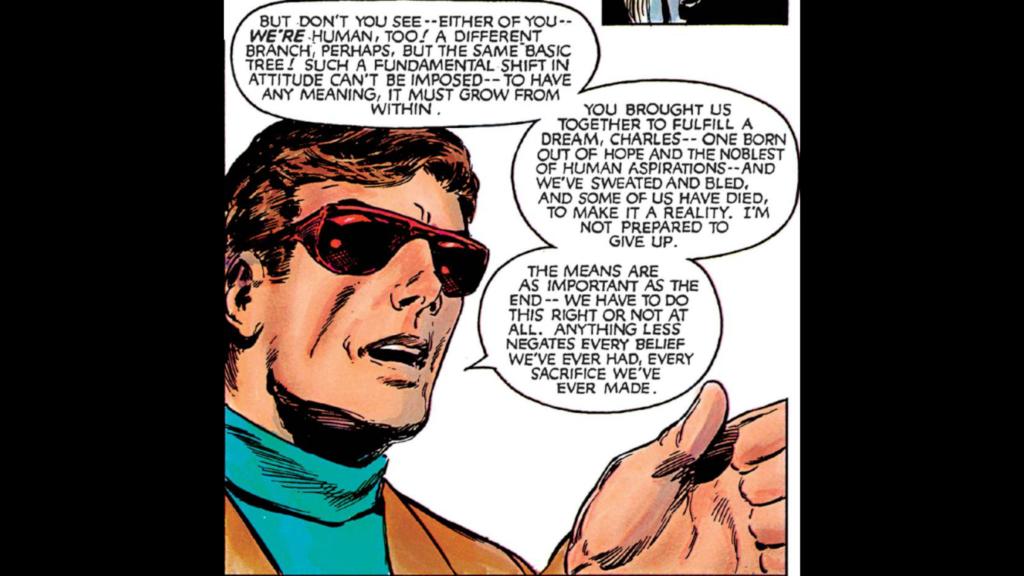
Ever since the beginning, the X-Men have always been guided by the ideals of Charles Xavier. He wanted to create a world where mutants wouldn’t be feared or persecuted, and could live side by side with the rest of humanity. Charles has never been a perfect man, but he’s always believed they could make that hope a reality. It was why the X-Men were superheroes in the first place: to show humanity that they had nothing to fear from mutants. Many of their early storylines were centered around showing the inherent humanity in all of them, showing that while mutants have powers and might look different, there’s no real difference between them and the average human.
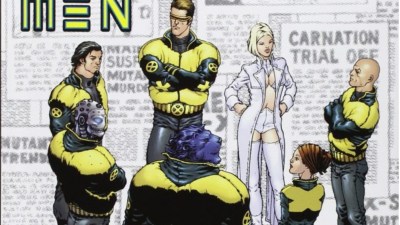
In the early 2000s, some long-term defenders of this mindset began to shift their views. The constant, consistent tragedies mutantkind radicalized and hardened even the dream’s most staunch defenders, like Cyclops and Beast. Even the dreamer Charles lied and manipulated others, his loved ones, to achieve his goals. Still, while the dreamers were corrupted, the dream wasn’t. The X-Men still fought for a world where humans and mutants could live together, even if they didn’t believe it was possible anymore. Then Krakoa happened.
Krakoa Was The Death of the X-Men Dream

The problem with Krakoa is that it was an outright statement that the dream that had driven the X-Men for decades was wrong. It’s not that mutants had their own country, that’s fine and has been done before, but Krakoa had the very important distinction that it started with Charles Xavier, the face and architect of the X-Men’s dream, literally declaring to everyone in the world that mutants were better than humans. It drew a line that said humanity was objectively inferior to mutantkind. Mutants put the laws of Krakoa above the rest of the world’s, which led to imbalances like hoarding the secret of immortality and banning all humans from entering Krakoa, but being able to teleport anywhere in the world whenever they wanted.
Initially, this was great because it was the point. There are clear moments of the X-Men being incredibly morally grey. Again, look at adding Mister Sinister to the Quiet Council. Krakoa was a messy, ambiguous utopia built on lies, but somewhere along the way, everyone started believing them. The Krakoan era shifted from being about a nation built on the back of dark decisions and secrets to one of praising the nation for what it did without questions. Today, Krakoa is looked back on as a massive force of good lost to the evils of humanity, a classic mutant storyline, but I don’t think that works for Krakoa.
Idolizing Krakoa means accepting that mutants and humans are two entirely different species that are not able to coexist, which is the exact opposite of what the X-Men are meant to represent. Krakoa and Xavier’s dream of a better future ironically cannot coexist. It’s no wonder that Magneto and Apocalypse were so eager to work with the X-Men when Krakoa was formed; lording above humanity was literally all either had ever tried to get the X-Men to do. Krakoa was a breath of fresh air in a stale status quo, but the reason it was so unique was that it went against everything the X-Men stood for. Even to this day, the X-Men comics are trying to pick the pieces of Xavier’s dream up off the floor to find their identity again. What do you think? Leave a comment below and join the conversation now in the ComicBook Forum!
More Comics
-

Image Courtesy of Paws Inc -

Image Courtesy of DC Comics -
Image Courtesy of DC Comics -
Image Courtesy of Marvel Comics -
Image Courtesy of DC Comics -
Image Courtesy of Marvel Comics -
![John Cusack Details the Alien Conspiracies at the Heart of New Graphic Novel, Momo [EXCLUSIVE]](https://comicbook.com/wp-content/uploads/sites/4/2026/07/john-cusack-momo.jpg?w=300)
The truth isn't out there, it's on the pages of Momo.