Long before handheld gaming became dominated by interchangeable cartridges and massive digital libraries, the idea of taking a video game anywhere was a novelty. Arcades remained the center of gaming in the early 1980s, while home consoles were only beginning to establish themselves around the world. Portable entertainment existed, but it was often limited to electronic toys with simple mechanics. Nintendo saw an opportunity that many competitors overlooked by creating affordable handheld devices that could fit in a pocket, run for hours on batteries, and deliver quick bursts of fun almost anywhere.
Videos by ComicBook.com
That vision became realized on July 16, 1981, when Nintendo released Octopus for the Game & Watch line in Japan. The handheld only played a single game, yet it represented another important step toward the company’s eventual dominance of portable gaming. Released 45 years ago today, Octopus demonstrated that players were willing to carry dedicated gaming devices with them long before the Game Boy became a worldwide phenomenon. Looking back today, it is easy to see how this modest handheld helped shape Nintendo’s future and the portable gaming industry as a whole.
Nintendo’s Game Boy Predecessor & Its One Game
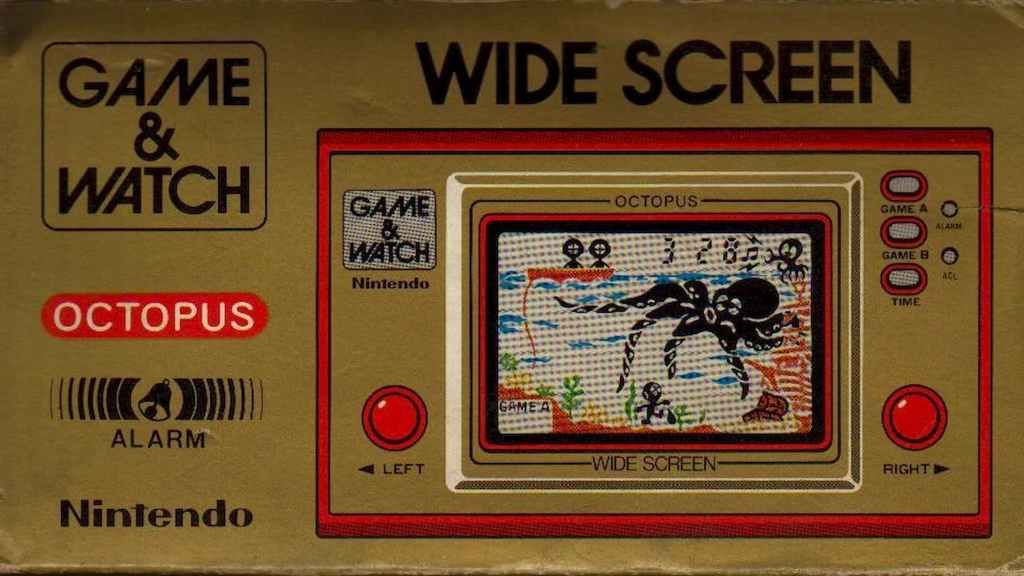
The Game & Watch series debuted in 1980 under the direction of Nintendo designer Gunpei Yokoi. Each handheld featured an LCD screen, a built-in clock, and one or two simple games permanently programmed into the hardware. Unlike later handheld systems, there were no cartridges or downloadable titles. Buying a Game & Watch meant buying one specific game that would remain on the device forever.
Octopus challenged players to collect treasure from the ocean floor while avoiding the grasp of a giant octopus. Players controlled a diver who repeatedly traveled between a treasure chest and a waiting boat, carefully timing movements to avoid the creature’s extending tentacles. Like many Game & Watch titles, the gameplay was straightforward but highly addictive, encouraging players to chase higher scores through increasingly difficult patterns.
Although its concept sounds simple by modern standards, Octopus showcased Nintendo’s growing expertise in portable game design. Responsive controls, recognizable characters, and polished presentation helped distinguish it from many competing electronic handhelds of the era. The game also became one of the most recognizable entries in the expanding Game & Watch lineup, proving that a dedicated handheld built around a single game could still capture players’ attention.
How Game & Watch Paved the Way for the Game Boy
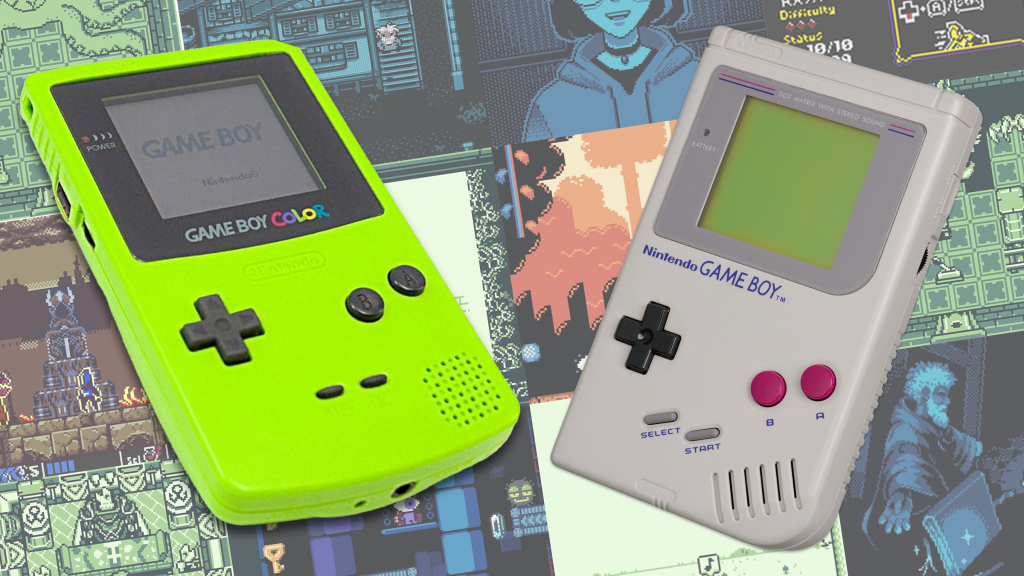
The success of Game & Watch provided Nintendo with years of experience designing portable hardware. Engineers learned how to maximize battery life, create durable handheld systems, and develop games that worked well in short play sessions. Those lessons became invaluable as technology advanced throughout the decade and would see Nintendo become the most dominant force in handheld gaming over the years.
Gunpei Yokoi also introduced one of Nintendo’s most influential hardware ideas during the Game & Watch era. The Multi Screen models featured dual displays connected by a hinge, a design that later inspired the Nintendo DS family. Yokoi consistently favored practical, affordable technology over expensive cutting-edge hardware, a philosophy he described as using “lateral thinking with withered technology.” This mentality ultimately worked and can still be seen in Nintendo’s creation process today.
When the Game Boy launched in Japan in 1989, it was the natural evolution of ideas first explored through Game & Watch. Instead of being limited to one built-in game, players could swap cartridges and play multiple games. The monochrome screen, long battery life, and affordable price made the system an enormous success, eventually selling more than 118 million units when combined with the Game Boy Color. Without Game & Watch establishing Nintendo’s reputation in portable gaming, that achievement may have looked very different.
Nintendo Continues Leading Handheld Gaming Today
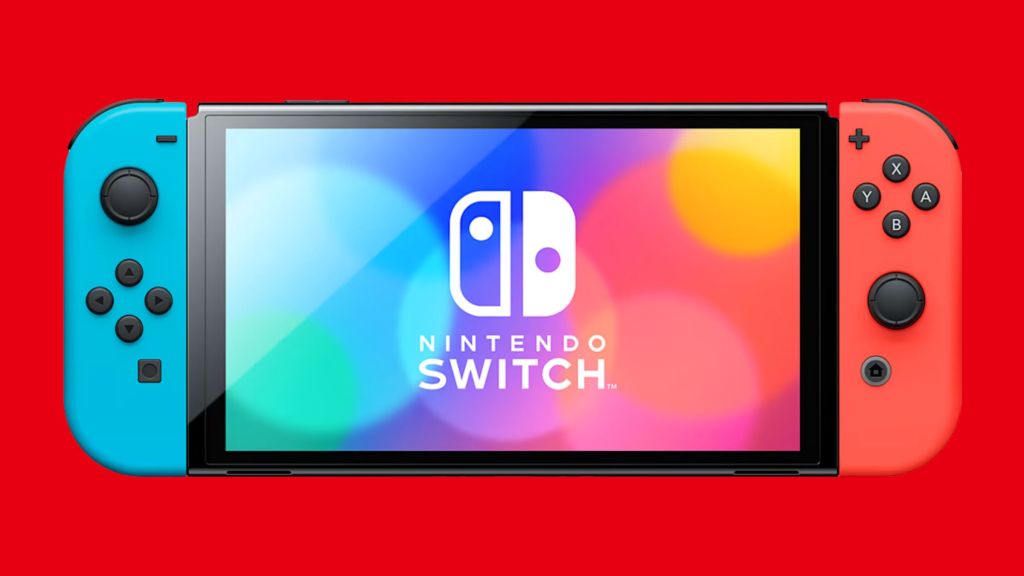
There can be no doubt Nintendo is the biggest name in handheld gaming, even decades after Octopus released. The company followed the Game Boy with systems like the Game Boy Advance, Nintendo DS, Nintendo 3DS, and eventually the hybrid Nintendo Switch. Each generation expanded on Nintendo’s portable philosophy while introducing new ideas that influenced the broader industry. Other companies have begun moving into this market, but Nintendo still remains the top dog.
The recently launched Nintendo Switch 2 continues that legacy by building upon the hybrid concept introduced by its predecessor with better hardware. Players can enjoy games on a television or carry the system anywhere, blending home console and handheld experiences into a single platform. While modern hardware is vastly more powerful than the Game & Watch, the core goal of making games easy to pick up and play wherever players happen to be is still the same.
Looking back 45 years later, Octopus occupies an important place in Nintendo history despite its modest ambitions and being forgotten, at least outside of the Super Smash Bros. series. It only played a single game, yet it demonstrated that portable gaming could become far more than a passing novelty. Every Nintendo handheld that followed owes something to the Game & Watch line, and it is fascinating to see how one small LCD device helped launch one of gaming’s most successful hardware legacies.
What do you think? Leave a comment below and join the conversation now in the ComicBook Forum!
More Gaming
-

Image Courtesy of Rockstar Games -

Image Courtesy of Sony Interactive Entertainment -

Courtesy of Naughty Dog -

Image Courtesy of Nintendo