There’s no denying that Cyberpunk 2077 is an excellent game, with Night City acting as a living, breathing world to explore themes of sci-fi dystopia and corporate evils. However, the open world backdrop of Cyberpunk 2077 is somewhat limited by its grand scale, sacrificing detail for a larger variety of quests, characters, and other content for players to explore for hundreds of hours. Compared to tighter games that truly explore the narrative weight of the storied genre, Cyberpunk 2077 falls short in some expectations.
Videos by ComicBook.com
After the blow to developer CD Projekt Red’s reputation that came with the disastrous launch of Cyberpunk 2077, the game’s Phantom Liberty expansion and other updates helped it live up to its full potential. The game is a pristine depiction of all the themes that come from a “cyberpunk” setting, from blatant greed to rampant destructive chaos. That being said, most of these themes are only defined on a surface level outside the main story, rarely digging into the complexities that make the cyberpunk genre so engaging and immersive.
Cyberpunk 2077’s Vast Open World Doesn’t Contain The Same Immersive Quality As Deus Ex Titles
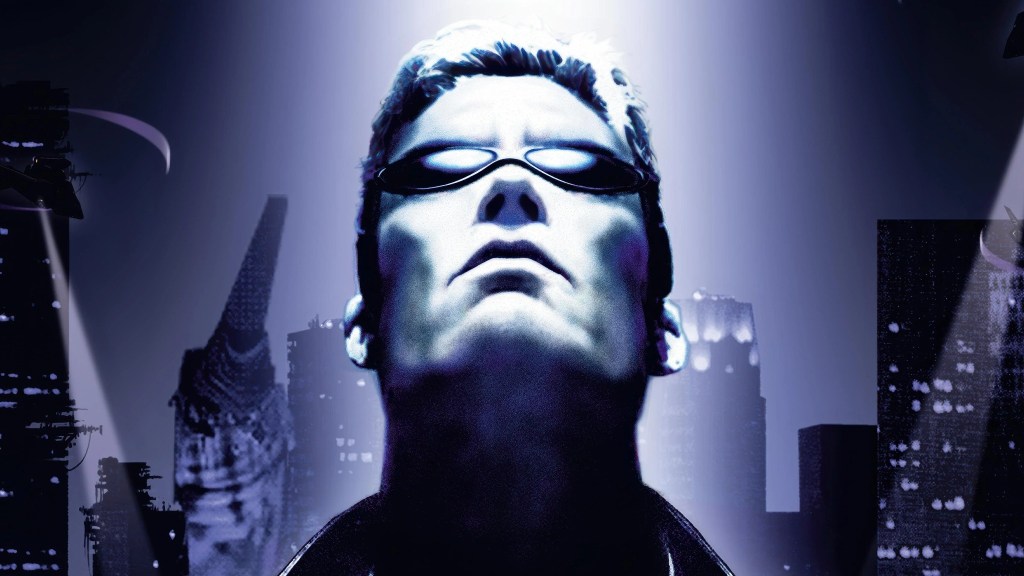
While Cyberpunk 2077 certainly is great when it comes to atmosphere and scale, other games like those in the Deus Ex series have the opportunity to delve deeper into its dystopian sci-fi world. Instead of over-the-top cinematics or a lived-in custom character, Deus Ex tells stories largely dependent on specific characters and events, almost feeling like a book in comparison to Cyberpunk‘s movie. In many ways, games like Deus Ex are tighter experiences that are more restrictive, but therefore more deliberate in how it hooks players into its narrative.
Although later Deus Ex games, such as Human Revolution and Mankind Devided, sometimes lean into action similar to Cyberpunk 2077 at times, the early titles in the series were far more grounded. The world building of Deus Ex is incredibly complex, built through political, philosophical, and technological concepts mostly communicated through character dialogue. Players could organically learn much about the world, and have reasons to do so in order to unravel mysteries integral to the story. By comparison, the world of Cyberpunk 2077 is equally detailed, but not as emphasized for players to progress forward.
The gameplay depth of Deus Ex is also quite strong, giving players more impactful choices based around how they want to customize their play style. For example, investing in a certain tool proficiency skill unlocks parts of the larger game, rather than acting as a stat upgrade for a character build. The roots of Deus Ex and Cyberpunk 2077 are both planted in classic cyberpunk TTRPGs, but only the former series seems to truly immerse itself in that origin through its mechanics and features.
Similar Aesthetics Give Way To Different Tones Within Either Engaging Dystopian Sci-Fi Setting

When it comes to either game’s tone, Cyberpunk 2077 tends to opt into neon lights and grand spectacle, with advertisements coating buildings and sleek vehicles on the streets. The underbelly of CD Projekt Red’s Night City is, by contrast, sullen and full of dangerous characters whose shiny chrome and greedy nature reflect an effort to be as bombastic as the city around them. People’s actions are meant to try to make a name for themselves, either through power over the underworld or within alliances that create groups who fight the good fight.
In contrast, Deus Ex‘s world is more akin to the classic depictions of cyberpunk, with the future not nearly as glamorous. Environments are dull, technology is oppressive rather than stylish, and the world is measured in shades of gray even more than the modern day. New advancements bring rise to complicated moral questions that could not be comprehended before, with no clear answers. Politics and ruthless breaches of ethics drive forward a more grounded, brutal sense of storytelling, which can be more compelling to some players.
Gameplay & Story Preferences Will Help Players Choose Which Games Are Their Favorites
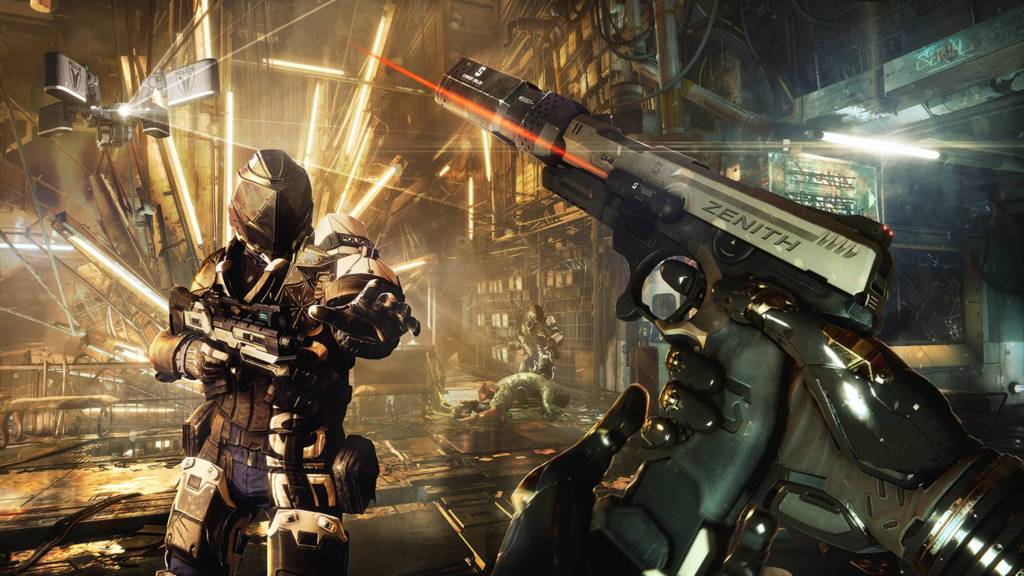
Although games like Deus Ex: Human Revolution are much shorter than Cyberpunk 2077, an argument can be made for quality over quantity. The immersive sim nature of Deus Ex makes each of your actions during its runtime more memorable, whether its stealth, hacking, or making choices with real consequences. These same gameplay ideas are present in Cyberpunk 2077, but most problems can ultimately be solved with straightforward FPS combat. Choices in Cyberpunk 2077 have a habit of working out regardless, with few major narrative shifts for your actions.
Cyberpunk 2077 offers hacking and other cyberpunk-themed actions through gameplay options that are expressed in similar ways no matter how you build your character. By contrast, adopting a new play style in Deus Ex can drastically change what path you follow for a mission, allowing you to complete an objective while missing entire parts of a level. For example, a combat-heavy build in Deus Ex might only see the battles, and miss entire rooms or sections of a level that could only be accessed if players invested into hacking abilities.
At the end of the day, some players might understandably prefer Cyberpunk 2077‘s broader approach. The visuals and open-world spectacle can more than make up for the gameplay limitations in some areas, with quality voice acting and presentation giving you a different kind of immersion. Yet, players looking for an authentic “cyberpunk” game that captures the genre’s origins and themes might be better off trying the Deus Ex games rather than CD Projekt Red’s recent title.
More Gaming
-

Image courtesy of Rocksteady Studios and WB Games