The FPS genre is one of the most popular in gaming, both to competitive and casual audiences depending on what title is being played. Some of the most popular, like Call of Duty or Battlefield, create chaotic rather than controlled environments to indulge in player power fantasies of warfare without many consequences. However, one title’s tight and deliberate control over its FPS systems encouraged precision rather than recklessness, creating an experience whose strategies keep evolving, even almost a decade and a half later.
Videos by ComicBook.com
In an era of esports defined by other genres of games, such as League of Legends, FPS titles have also dominated that space in both players and viewership. Games like Rainbow Six Siege and Valorant have found audiences, but neither of those titles compare to the game that perhaps elevated its first-person shooter structure for a truly competitive audience. International tournaments would not have happened for many other esports related games if not for one 2012 title helping define what a competitive FPS could be.
Counter-Strike: Global Offensive (CS: GO) Still Remains One Of The Biggest Esports Titles Since Its 2012 Release
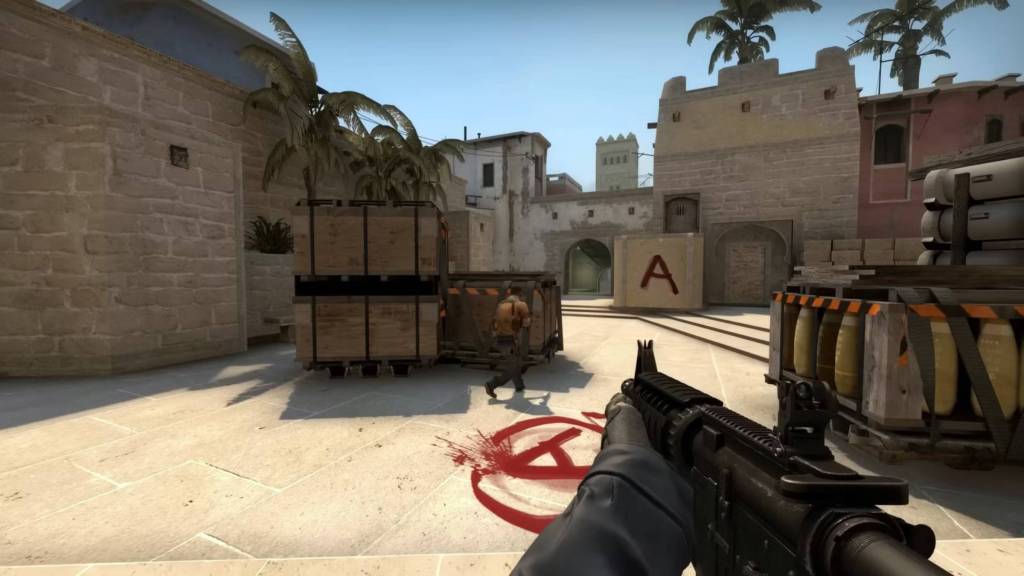
Counter-Strike: Global Offensive came out on August 21, 2012, developed by legendary studio Valve, the same creators behind the Portal and Half-Life series. In fact, CS: GO was originally a modded version of Half-Life, much like Team Fortress 2 would be as well. Acting as a tactical FPS, this game is a far cry from games like Halo or Call of Duty that came before it, rather acting as a title that demanded precise gunplay to lead teams to victory.
This game evolved from Counter-Strike‘s origins from various engines, refining the experience into something that became an obsession for fans all over the world. Players go down fast, turning terrorist vs counter-terrorist gameplay into tense encounters where precise aim was necessary to beat someone else. Intimate map knowledge and deep team-based strategies also gave players an edge, leading to the development of layer after layer of competitive gameplay approaches largely discovered by players. Game sense and mechanical skill blend together in CS: GO almost seamlessly, encouraging players to train and master the FPS’ systems.
Even with CS: GO evolving into Counter-Strike 2 back in 2023, the original game was a highlight of esports every year since its release. The FPS quickly became one of the biggest competitive games around the world, mainly for how much it demanded from players when it came to technical skill. Watching this game at the highest level also remains incredibly fun, whether you know the depths of CS: GO‘s gameplay quirks or not. Strategies are interesting to see unfold, action is frequent, and matches are fast, leading to a bold, straightforward viewing and playing experience.
Other FPS Games Introduce Too Much Clutter That Fail To Meet Up To CS: GO’s Addicting Simplicity
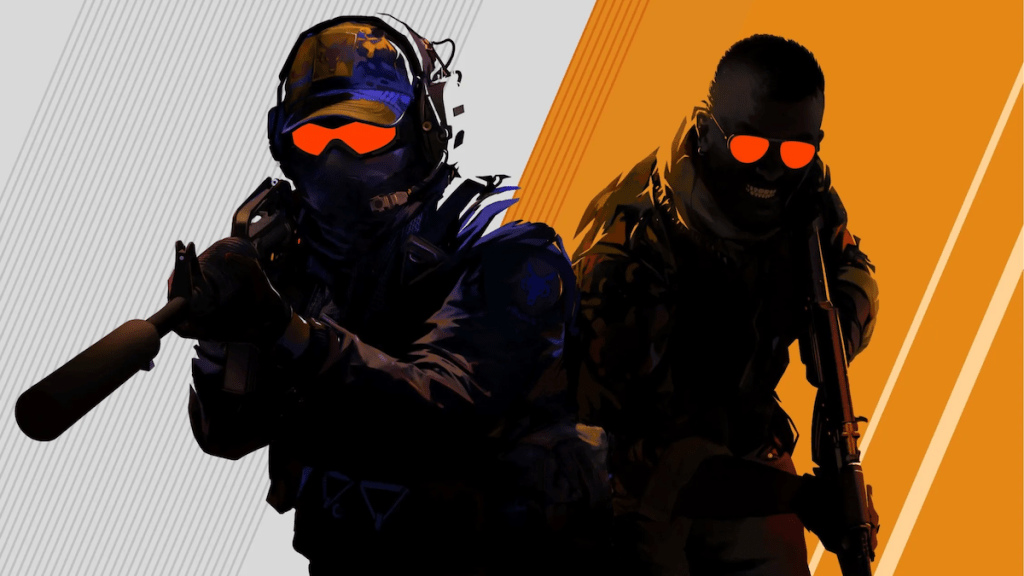
With games like Highguard failing and others like Rainbow Six Siege rising and declining over time, it’s worth looking back and asking — how has CS: GO and its sequel remained a staple in competitive gaming? The easy answer to this is how many modern FPS titles try to add a variety of features designed to make the gunplay easier, through a variety of approaches. For example, there is a big emphasis on character specific abilities in a hero shooter like Valorant, rather than the precision of gunplay itself.
Likewise, other tactical shooters introduce other variables to matches, such as Rainbow Six Siege‘s traps or cameras manipulated by specific characters. CS: GO is deliberately simple by comparison, offering a limited selection of weapons that all have clearly defined strengths and weaknesses. The clear-cut purposes of grenades, weapons, and other tools in CS: GO gives little room for them to support players who don’t use them wisely. This takes away the power fantasy of the FPS somewhat, instead rewarding only those who combine smarts and skills best within the context of a match.
Counter-Strike’s Consistency & High Skill Ceiling Make It An Evergreen Title That Isn’t Going Away Anytime Soon
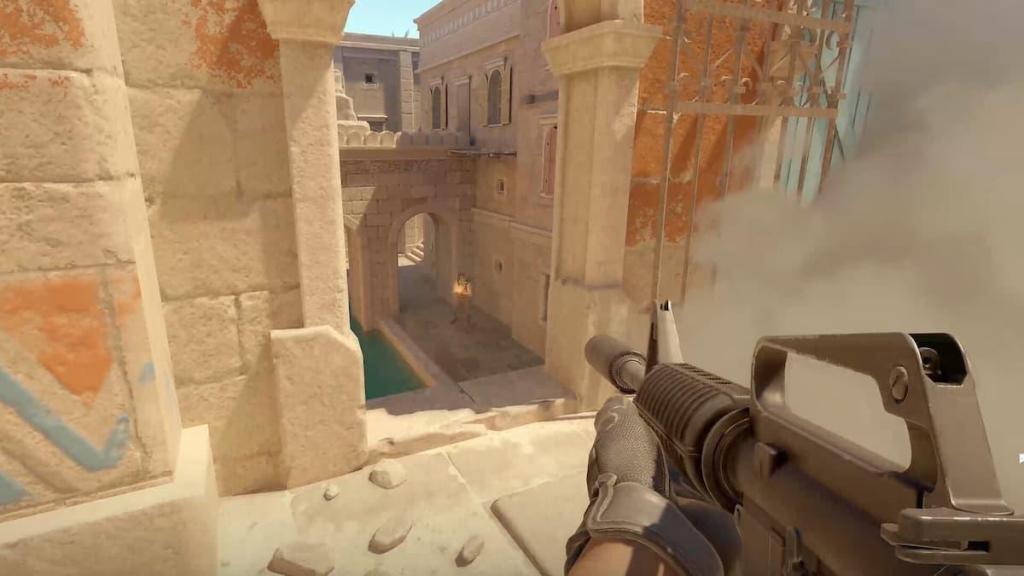
Everything about CS: GO was defined by how easy it was to pick up, but how difficult it was (and still is) hard to master. Players can spend years learning all the ins and outs of the game, only to be scratching the surface of some strategies others have developed since 2012. The balance of the game is another positive of CS: GO, as the straightforward nature of each gameplay tool means there is counter play to almost anything your opponents can throw at you.
For the most part, the game has largely remained the same for a long time too, meaning it never gets unfamiliar to veterans who still enjoy it. Despite its origins as a mod, CS: GO doesn’t feel like a shell of something else, instead offering a battleground for players to express individual skill. With an esports scene still thriving today, Counter-Strike: Global Offensive‘s systems inspired entire libraries of other competitive FPS games, making it an influential title whose ideas continue to impress.
More Gaming
-

Courtesy of Saber Interactive -

Image Courtesy of Electronic Arts/Secret Mode