Resident Evil has been a lot of things over the last thirty years, with “being scary” very much a core tenet of the series. The Capcom franchise has introduced dozens of playable characters and explored the sprawling conspiracy of the Umbrella Corporation from multiple vantage points. However, the series has also suffered from a tonal problem at times, with an inability to really keep consistent between entries.
Videos by ComicBook.com
Some games in the series are bombastic and over-the-top, while others are gritty and grounded in squirm-inducing visuals. The best ones tend to be the ones that really zero in on one of those tones and excel at it, such as the campy action of Resident Evil 4 or the more restrained terror of Resident Evil 7: Biohazard. However, using newcomer Grace as the “horror” character in Resident Evil Requiem, in contrast to the more established action of Leon, might be a stroke of genius, as it allows the game fully bring the series back into horror territory without losing the connection to the mainline continuity and characters.
Grace Turns Resident Evil Into A Pure Horror Game Again
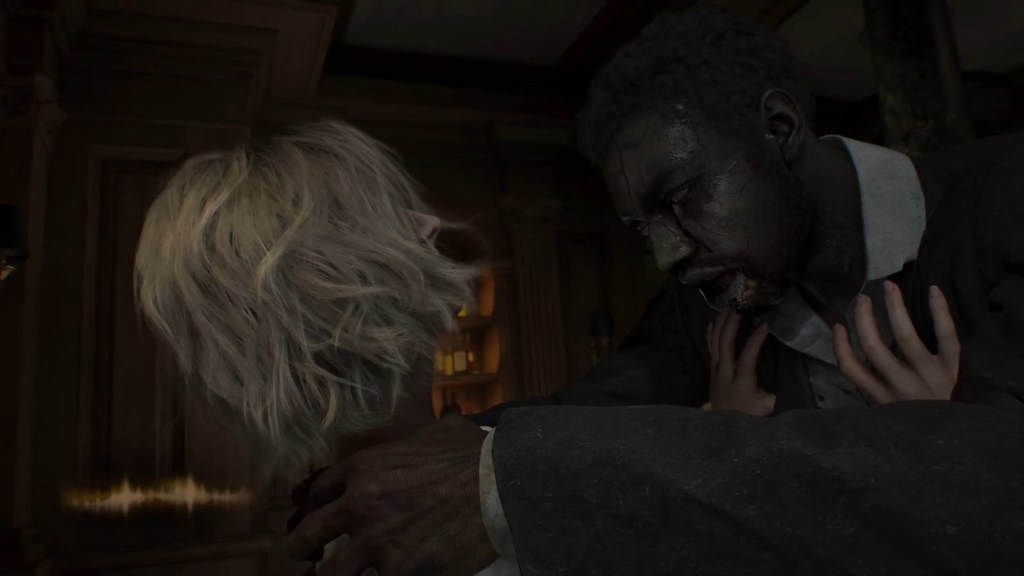
Playing Resident Evil Requiem, it’s striking just how much tension and terror the title is able to elicit out of Grace’s storyline — especially in light of how the franchise is also still an action-packed riff on the horror genre. The demo revealed that Leon and Grace come into contact once they’re both trapped in the Rhodes Hill Chronic Care Center. While Leon’s segments are in tune with the more bombastic gameplay that players have come to expect from the character (complete with roundhouse kicks and chainsaw kills), Grace is shown to be a far more grounded character.
She’s freaked out by the circumstances around her, panicked by the dangers posed by the monsters in the hospital, and all around presented as a far more mundane person than almost anyone else who has starred in a mainline Resident Evil game. This gives her a clear and immediate thematic connection to Ethan Winters, the relatively average-seeming man who headlines Resident Evil 7: Biohazard and Resident Evil Village. Even compared to Ethan, though, Grace is defined by the overwhelming danger she’s in. While she has some moderate field training as an FBI analyst, Grace is shown to be completely unprepared for the situation at hand. She breathes hard, panics quickly, and even her ability to steady her gun is called into question during particularly intense encounters.
This translates into gameplay that accentuates her sense of terror, as it impacts the player’s own capabilities while playing as her. Lining up multiple shots can be complicated by Grace’s shaky nerves. Fleeing enemies is more often than not the correct move, but she can’t just sprint or jump over banisters; instead relying on actual stairs to flee giant monsters. While she can use health packs to increase her health, a strong enough blow from a powerful enemy will kill her outright. This puts emphasis on approaching her gameplay segments with deliberate caution. It all makes Resident Evil genuinely feel like a true horror game again.
Requiem Proves Capcom Has Learned From Village
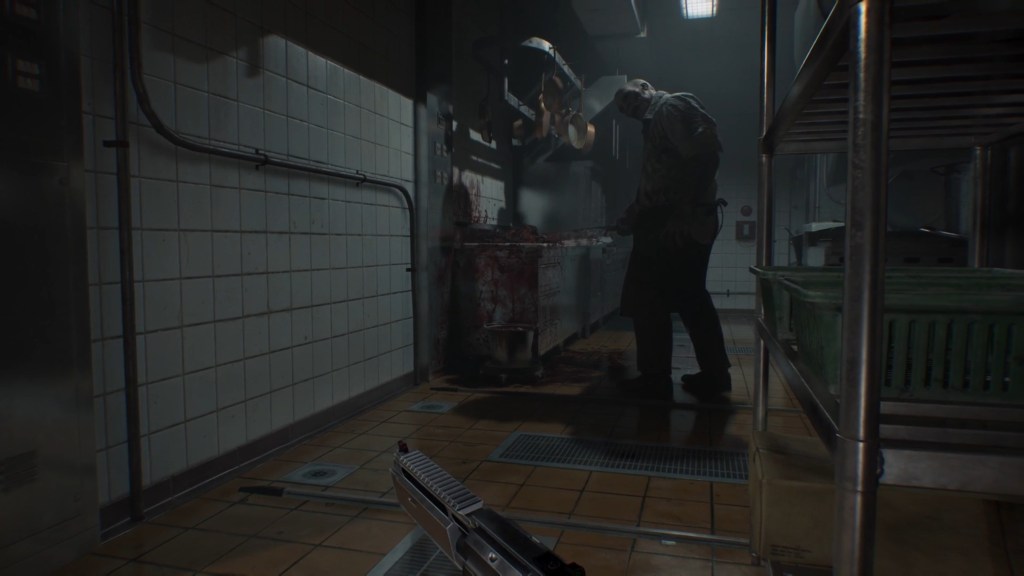
One of the tricky things about Resident Evil has been the way the tone has fluctuated and evolved over the years. Initially starting out as something of a deliberate balance between worldbuilding through scary scenes and bombastic battles, Resident Evil gradually leaned more towards the latter as time went on. The success of games like Resident Evil 4 sealed the deal, transforming the survival-horror into action-horror — while both can utilize zombies and monsters, they engage the player with them in very different ways.
Resident Evil 7: Biohazard swung the pendulum back the other way, trading in the capable heroes for a regular guy and shifting the tone from campy action to blood-curdling tension. The result was one of the best games in the series and a high mark for the genre as a whole. Resident Evil: Village tried to have the best of both worlds, sending Ethan on a quest where each location came with a different gameplay style and tone. While there were touches of horror to each of them, the game quickly embraced the growing endurance of Ethan and outfitted him with weapons. Only Donna Beneviento’s section of the game really stayed true to those horror-survival roots and was incidentally the best part of the game. Resident Evil Requiem seems to have learned from Village and has better balanced the action with the horror.
As a result, Resident Evil Requiem is able to use Leon’s massive set-piece battles and wholesale slaughter of the undead as a palate cleanser, breaking up the tension of Grace’s slow and steady exploration of the hospital with some head-exploding joy. It puts emphasis on the horror sections while keeping the player glued to their seat. It’s a tricky balancing act that Village wasn’t able to quite nail, but that Requiem establishes early on. It’s one of the most impressive elements of the game, in fact, and highlights how the title is really bringing the scary elements of the series back to the forefront. Hopefully, the game is able to maintain that balance for the duration, keeping itself from too quickly turning Grace into a warrior. If Capcom truly has found the right balance, then they might just have one of the best games in the series on their hands.
Most Viewed
-

Image Courtesy of Prime Video -

Image Courtesy of Netflix