For its time, The Elder Scrolls 5: Skyrim was a revolutionary open-world RPG title, but there are many parts of its gameplay that The Elder Scrolls 6: Sentinel should not adopt. At this point, it has been 15 years since Skyrim came out, causing the game to have many dated parts that Bethesda needs to improve to live up to other stellar RPGs that have came out recently. With the many criticisms around Bethesda’s most recent game Starfield, The Elder Scrolls 6 has a chance to finally rid itself of the “stuck in the past” design choices the studio likes to implement.
Videos by ComicBook.com
Many players are excited for The Elder Scrolls 6 due to its recent teaser, which revealed the title “Sentinel” and a confirmation that the game will take place in Hammerfell. However, that same audience is worried that Bethesda will continue to make the same mistakes they usually do with their games, from a laundry list of game-breaking bugs to stale story telling. While Skyrim is often remembered fondly, it showcases Bethesda’s biggest weaknesses, making the game hard to play from start to finish due to its repetitive and shallow nature as an RPG.
5. Flat Combat With Little to No Tactical Depth

Although novel at first, playing Skyrim for a long variety of hours really shows the pitfalls of its combat, which is quite rigid when compared to some RPGs coming out today. Even for 2011, Skryim‘s fighting was incredibly straightforward and bare bones, consisting of melee attacks and spells only. Players essentially had only a few options to fight, even if weapon speeds and blocking with shields provided some variety to taking on various enemies. Many of the problems with Skyrim‘s combat boiled down to:
- Swinging weapons or casting spells lacked any sense of physical weight
- No dodge or movement mechanics made fights rigid and stiff
- Big fights mostly consisted of spamming attacks and tanking hits
- Fights were often interrupted by pausing the game to heal using various items
- Lack of stagger feedback on enemies made your attacks feel inconsistent
In addition to all these points, the core mechanics of leveling up certain skills and unlocking new perks that impacted combat were more statistical rather than something players could see. For example, leveling up the One-Handed skill for melee combat typically led your character to deal bigger critical damage, cause bleeding, or consume less Stamina while attacking. While good to have, these perks rarely were noticeable in gameplay, not really rewarding you for investing in a specific style of fighting. Similarly, going into Two-Handed combat, certain types of armor, or relying mainly on one school of magic didn’t really feel progressive outside of arbitrary numbers going up.
There are no counter-attack systems, complex blocking mechanics, or parry features in Skyrim, putting it years behind some of the best action games of recent years. The common joke in Skyrim is that the best way to do combat is to not engage with it at all, with the iconic “Stealth Archer” build centered around dealing critical damage with long-range attacks to never have enemies fight back in the first place. Compared to the custom spell crafting of The Elder Scrolls 3: Morrorwind, Skyrim is a bit of a letdown, so seeing Sentinel bring back some combat variety would be an exciting selling point of the long-awaited title.
4. Copy/Paste Dungeons Through the Radiant Quest System
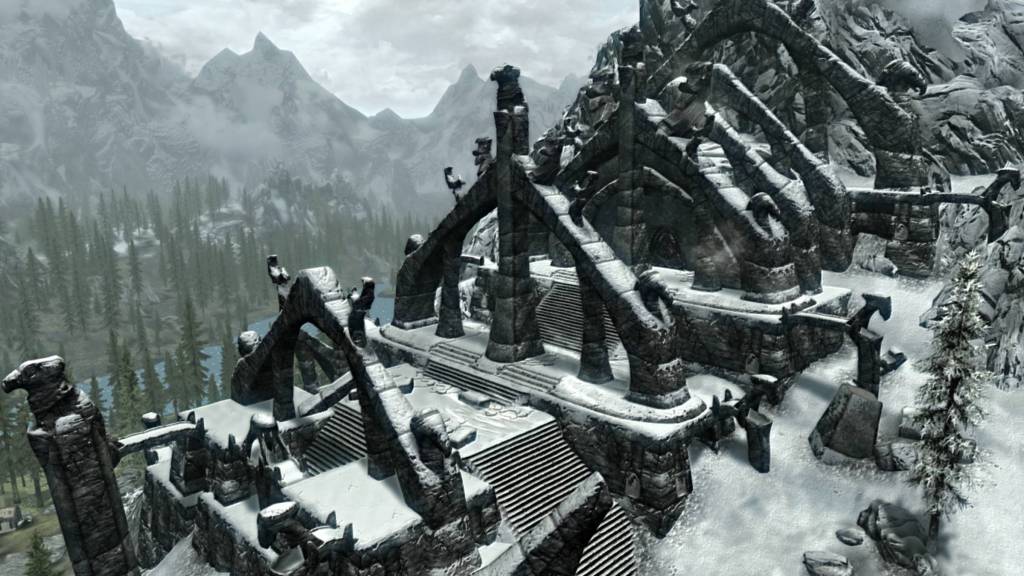
One of the core aspects of The Elder Scrolls 5: Skryim is something called the Radiant quest system, a feature that generates random missions for players to go on in the open world. This system was originally intended to help players travel to every area in Skyrim, giving them tangible goals as excuses to visit every unique location the game had to offer. That being said, in practice, the Radiant system is incredibly dated by today’s standards, highlighted the copy/paste formula Bethesda loves to use instead of making detailed dungeons or landscapes with actually interesting content to explore.
Radiant quests can come up through certain factions, or appear based on your character’s location. Each time, this type of quest randomly sends you to a cave, occupied fort, or other location in the world with enemies and some type of leader to defeat. Afterwards, you get a set of rewards that match your level scaling. Yet, you do not meet any interesting characters, nor do you engage with anyone other than the initial quest giver. Through the Radiant system, Skyrim can generate a theoretically infinite number of missions to go on, but none of them are as interesting as the quests that have actual time and effort put into them.
In an era where generative AI has completely butchered the artistic integrity of some games, having the Radiant system in The Elder Scrolls 6 would be a huge downgrade. A similar comparable to the Radiant is one reason why Starfield‘s worlds feel so empty, despite being a game about interstellar exploration at its core. Random dungeon crawls with no substance is the opposite of other games like The Witcher 3: Wild Hunt, an RPG that makes sure every quest players go on is compelling. Hopefully, Sentinel can reduce its total amount of quests by making sure the ones that do exist don’t feel random, but rather thought-out and interesting.
3. Broken Economy & Crafting Exploitable Loops

Perhaps the part of Skyrim that has aged the worst is the game’s built-in economy system, which can be broken faster than most RPGs. Players don’t have to upgrade their Sneak stat and steal Gold to become rich, as they can simply build up their Smithing or Alchemy stats to do so. Through relatively simple strategies, players can construct and enchant basic gear like Iron Daggers to build their stats up quickly, unlocking access to better gear before they even reach Skyrim‘s first major city.
At the same time, using Enchantment magic over and over and building basic potions continuously can ramp up Alchemy, granting players access to completely busted elixir formulas to make their character immortal. Players have long figured out how to exploit glitches in Skyrim to break the stat limits for their Alchemy and Smithing, allowing them to construct potions, armor, and weapons with absurd stats. Not only do these items have value for selling within the range of millions of Gold, but they also can make a character immune to damage of any kind. While it does take time to set up, players are able to make weapons that one-shot any enemy in the game as well.
Needless to say, The Elder Scrolls 6: Sentinel needs to lock down the economy and alchemy systems of Skyrim, making them impossible to break in this way. While speed runs for the game will certainly break some rules, to allow players easy ways to break the game within the first hour or two is certainly a sign of past limitations. Modern game design from Bethesda’s more recent titles should influence this approach, with item exploits less apparent in games like Fallout 76 and Starfield.
2. Lackluster NPCs & Companion Characters With Immortality
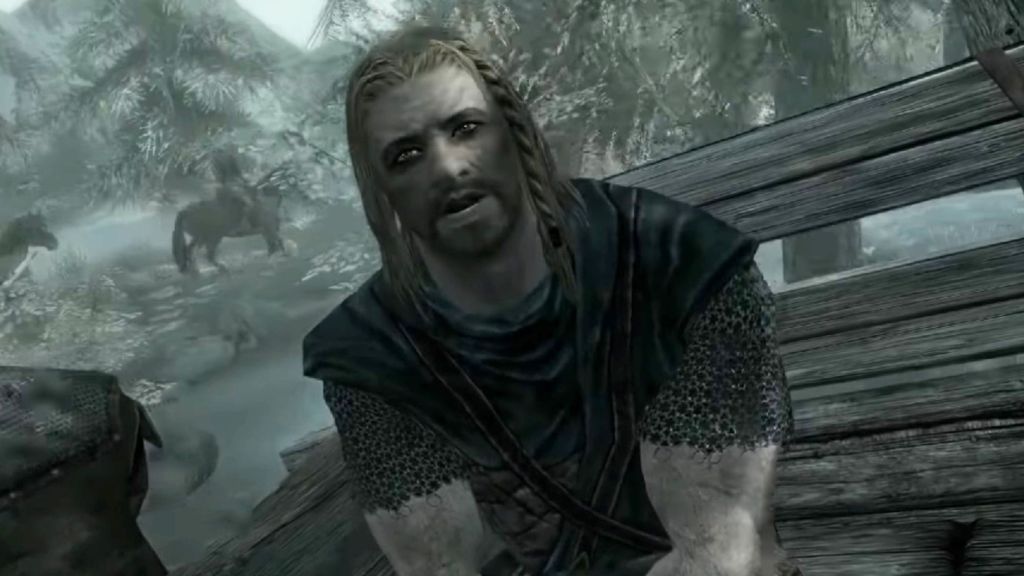
The character of Skyrim might be the area where the game shows its greatest weakness, as there aren’t many interesting figures in this Elder Scrolls entry, a far cry from Morrowind or Oblivion. This is partially due to Skyrim‘s lack of consequences in character choices, with some NPCs programmed to live regardless of what the player does. This “NPC Immunity” shows up often, with characters recovering health and robbing players of any agency within their actions. Sometimes the story has players make pivotal choices, but dialogue options lack variety and usually lead you to one or two binary solutions rather than a dynamic path.
Companion characters are not that interesting in Skyrim, with some notable exceptions in DLC and certain quest lines. This causes big events, such as the civil war between the Stormcloaks and Empire soldiers, to not really have any weight to them when played out. Despite the Dragonborn protagonist maybe being the strongest Elder Scrolls protagonist of all time, the character rarely feels like they have any capacity to change events in the world from any choices they make. Having more interesting characters with roles to play in a larger story could make Sentinel thrive, especially if there are real branching paths in the narrative that lead to multiple outcomes.
1. Keep – Map Discovery Marker UI/UX Systems
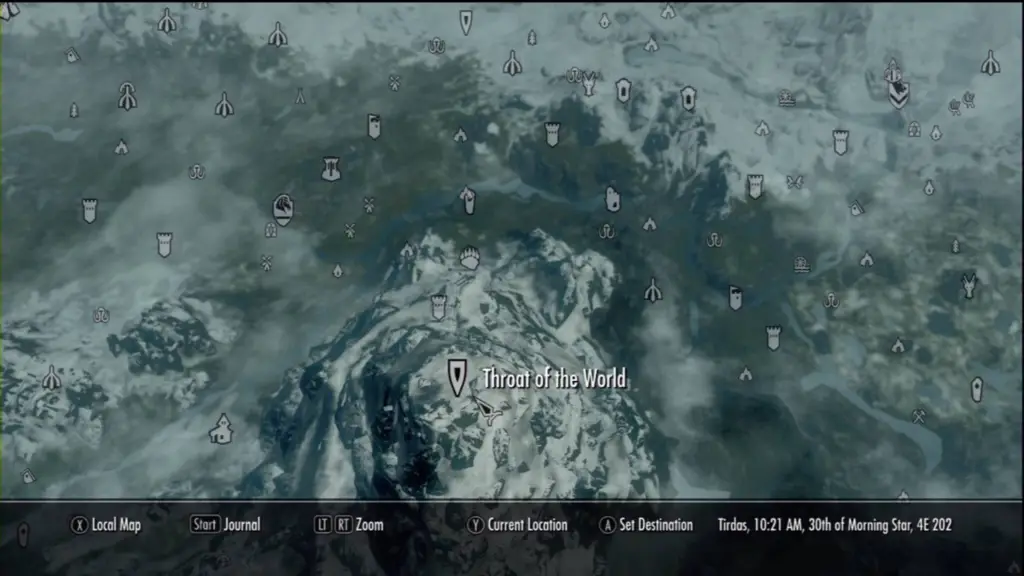
One dated system from Skyrim that I would like to see come back is how the game handled different UI/UX markers, not so much in cluttered menus, but in regard to the open world itself. While the incredibly complicated item and gear menus definitely need a rework, the way that Skyrim presented interesting areas in its world is something that has stood the test of time, in my opinion. The diverse icons that would fill up your world map made your adventure seem progressive, with a blank canvas slowly filling up with areas you visited throughout your journey.
During all the re-releases of Skyrim, the world map has largely stayed the same, with players able to fast travel to locations they’ve visited based on their organic discovery. The UI/UX of Skyrim never takes away from Bethesda’s strongest open world design choices, as you have to stumble upon locations naturally to “unlock” quick travel to them. Personally, I enjoy the variation of locations in Skyrim, from crypts and abandoned fortresses to shrines, cities, and dragon burial sites to visit. All of these are presented not just in your map menu well, but in the compass UI at the top of your first-person view constantly.
This UI/UX system prevents players from getting lost in truly massive worlds, and if Skyrim and Elder Scrolls Online are anything to go by, the next game could have the largest map yet. As such, you may need the map markers from Skyrim to navigate a new world, but not at the expense of that sense of wonder that comes from finding a never-before-seen location simply by curiously walking around the world. For The Elder Scrolls 6: Sentinel, this is the one dated part of Skyrim they should keep, to give the next game that same sense of exploration and progression that made Skyrim so popular to begin with.
What features do you want to see fixed for The Elder Scrolls 6: Sentinel? Let us know in the comments below!
More Gaming
-

Image Courtesy by Sony -

Courtesy of Rockstar Games