This article contains spoilers for Toy Story 5
Videos by ComicBook.com
Toy Story 5 brings about some major changes for Pixar’s flagship franchise. The main existential crisis the toys are facing isn’t Bonnie growing up; it’s the fact that all of her free time is being dominated by technology. For the first time, Jessie is the main character, as the film sheds additional light on her backstory and finally gives her closure following a rather emotional revelation. These tweaks to the formula seem to have gone over well, as Toy Story 5 earned widespread critical praise and posted the highest box office opening of the year so far. It’s how Pixar kept the series feeling fresh and relevant, but there’s something else the studio did to help elevate Toy Story 5 to new heights.
From the beginning, kids have been an integral component of the Toy Story franchise. The entire first film is based around Woody’s jealousy over Buzz Lightyear becoming Andy’s new favorite toy. In all the movies that followed, the presence of a kid — be it Andy or Bonnie — lingered over the narrative. But Toy Story 5 takes things a step further by doing something completely different with the main kid.
Bonnie Is a Proper Character in Toy Story 5
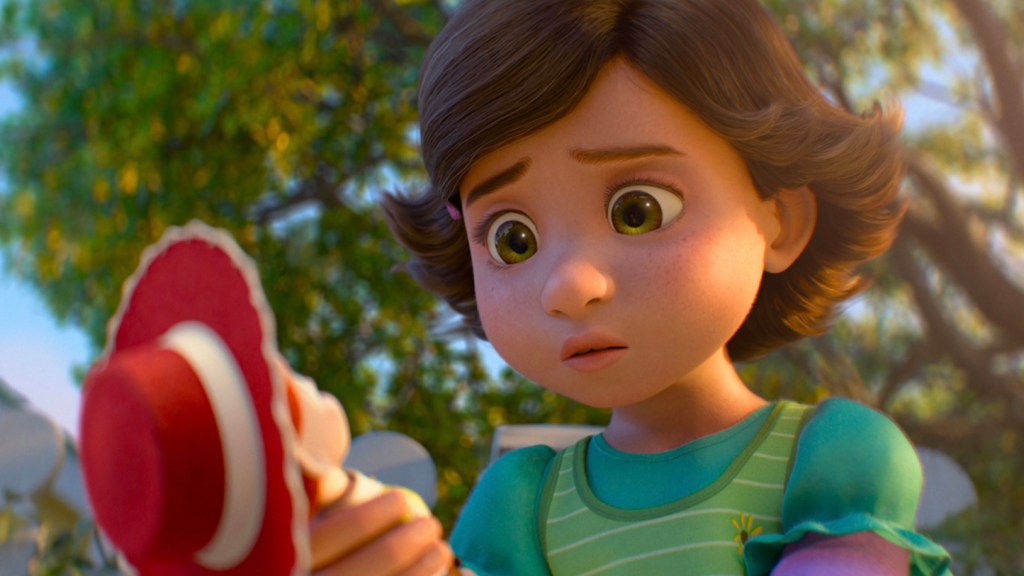
Toy Story 5 mixes up the classic Toy Story formula by making Bonnie a key character in the plot. Besides Jessie, Toy Story 5 is really about Bonnie more than any of her other playthings. The film’s primary conflict is Bonnie’s struggle to make friends, as she has trouble fitting into a world that has seemingly left ragdolls and action figures behind. As a result, Toy Story 5 does a deep exploration into who exactly Bonnie is as a child, chronicling her ill-fated attempts to change (ultimately becoming something she’s not) in an effort to be included. It’s a heartbreaking and relatable story for just about anyone watching regardless of age.
It’s also something we haven’t really seen in a Toy Story movie before. As iconic as the original trilogy’s Andy is, he was always more of a blank slate for the audience to project themselves on than a well-rounded character in his own right. Some of this was due to the limits of technology at the time (in 1995, Pixar wasn’t ready to make humans the main characters of a feature) and some of this was due to the stories Pixar wanted to tell, but Andy doesn’t get much screen time and he doesn’t have a true character arc in any of the first three films. Outside of his birthday party at the start of the original movie, we never see him interact with other kids his age, and other than the fact that he’s a boy who loves his toys, we don’t know that much about him. None of the first three Toy Story movies are about Andy trying to fit in or having difficulties adjusting to a new situation. That trilogy is all about his toys and how they handle the reality of Andy growing up.
Even in Toy Story 4, the main focus is on Woody, with Bonnie off to the side. He’s the one who goes through the biggest change in the film, discovering his new place in the world as a lost toy who helps other toys find loving owners. Bonnie’s role in Toy Story 4 is similar to Andy in the first three installments; she’s the kid the toys are trying to keep happy, but the story isn’t about her. It’s about Woody, Bo Peep, and learning when it’s time to move on. And it made sense for this to be the case. Toy Story established itself as one of the most beloved franchises in Hollywood history because of Pixar’s creativity, using toys as an outlet to explore the various stages of life. But after four films, it was time to change things up.
Making Bonnie more of a character in Toy Story 5 makes sense for the story that the movie is telling. By focusing on technology, the filmmakers aren’t just exploring a new dilemma for the toys themselves to overcome; there’s an examination of how much childhood has evolved over the years as well. In order for Toy Story 5 to work as well as it does, Bonnie’s role needed to be expanded, touching on the presence technology has in our everyday lives and how that influences Bonnie to make certain changes to her lifestyle. The end result is one of the more poignant narratives in a franchise famous for pulling on the heartstrings.
Bonnie’s Expanded Role Makes Toy Story 5 A Better Film
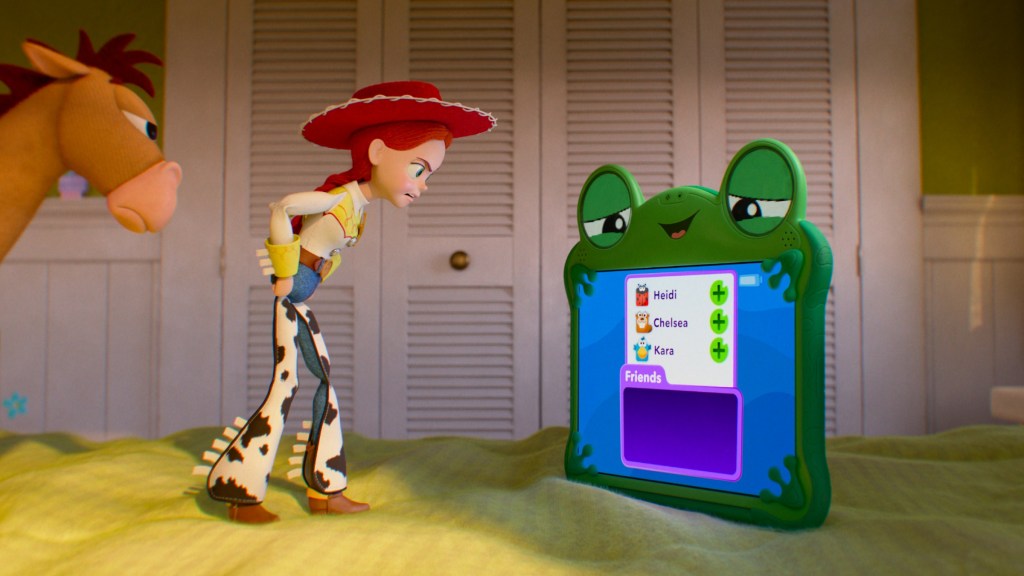
Bonnie’s increased role in Toy Story 5 provides some much-needed depth to the core “toys vs. tech” conflict at the center of the story. If the movie followed the classic Toy Story formula and was told primarily from the toys’ perspective, it wouldn’t make nearly as big of an impact. This isn’t to take anything away from Jessie’s emotional journey in Toy Story 5 as she grapples with the prospect of losing another kid. All of the sequences spotlighting Jessie are fantastic, and the payoff to her decades-long Emily storyline is one of the best in the entire franchise. But there’s a version of Toy Story 5 where “toys vs. tech” comes off as just surface level.
Director Andrew Stanton and Co. avoid that pitfall by placing Bonnie more front and center. Her desire to make friends — not the toys’ fight for their own survival — is the catalyst of the plot. It’s why her parents purchase Lilypad, feeling that’s the best way for Bonnie to connect and socialize with other kids her age. What follows is a story about the value of staying true to yourself and what making an actual friend really means. At first, Bonnie is so desperate for any friends that she hangs out with girls from her class when it’s abundantly clear to the audience that she isn’t a good match with them. Those “friends” show their true colors in a very upsetting moment when they mock Bonnie for still having toys.
This is what makes Blaze, the young girl who lives in Jessie’s old house, so important to Toy Story 5. Through Blaze, Bonnie learns that it’s still okay to embrace what makes her unique (her sense of creativity) even when the world around her seems to be moving in the opposite direction. Once Bonnie realizes she can be herself around Blaze, it’s almost as if she comes alive again as the two put their heads together to invent a wide variety of scenarios for their toys to be in. It’s a valuable lesson not just for Bonnie but also for the audience (particularly the children in attendance). Never be ashamed of who you are, hiding what makes you special so you can try to fit in with others. Odds are, there will always be someone else just like you, and you can make memories with that person that will last a lifetime. As the illustrations in the Toy Story 5 credits show, Bonnie and Blaze became best friends that spent a lot of time with each other.
The other Toy Story movies don’t really have anything like this. They all have captivating narratives and compelling characters, but everything is presented through the prism of the toys. Any conflicts involving Andy are ones that directly impact the toys (Buzz being the new favorite, Andy going away to college) and their wellbeing, not Andy himself. We never get a sense of what he was like around other kids growing up. But in Toy Story 5, Bonnie is the one most impacted by the conflict that drives the film. It’s all about the challenges and pressures she faces as a child of the 21st century, where technology is the dominant force of entertainment. It’s a nice change of pace for Toy Story to tackle. Kids have always been at the heart of the franchise, so it’s only fitting that one of them finally gets more of a starring role. Hopefully, this will remain intact in the event Toy Story 6 happens.
What do you think? Leave a comment below and join the conversation now in the ComicBook Forum!
More Movies
-

Image Courtesy of Marvel -

Image Courtesy of Marvel