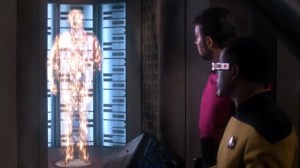
Star Trek is in a strange place at the moment. The TV/streaming universe that has defined the franchise for the last few years is now coming to an end, and as Paramount gets set to merge with Warner Bros., there seems to be a whole new push to get the film franchise back in motion. However, the issue with all of these moves being made is that they still feel like they are coming from a content-first strategy. But Star Trek is the rare franchise where the philosophy behind the franchise is just as important as the franchise itself. And right now, Star Trek is not following some of the best philosophy it has.
Videos by ComicBook.com
There have been several great Star Trek TV shows that have dropped some all-time classic quotes. However, it was the 1990s series Deep Space Nine that gave us one quote that speaks directly to where the franchise intends to go next.
DS9 Defined Star Trek Better Than Any Other Show
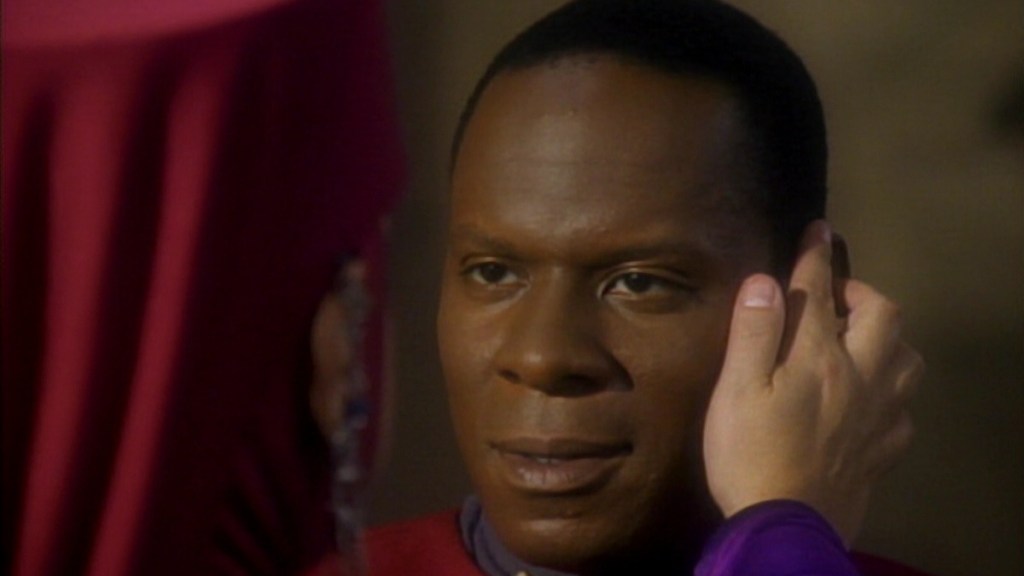
Star Trek: Deep Space Nine first premiered on January 3, 1993. The pilot episode was titled “Emissary” and it quickly established that this Star Trek show would be something different, not because of the new setting (a space station instead of a ship), but also because there would be prominent elements of faith and divine prophecy in its core story.
Captain Benjamin Sisko (Avery Brooks) comes to command the Deep Space Nine station after a traumatic event battling Jean-Luc Picard (Patrick Stewart) when he was the Borg leader “Locutus.” He gets an order from Picard to prepare the planet Bajor for joining the Federation, which stirs all the trauma Sisko has struggled to bury. However, on Bajor, Sisko learns that he is somehow part of a Bajoran religious prophecy, which claims he is the “Emissary” who will one day discover the divine “Celestial Temple” of “the Prophets” (sentient non-corporeal beings who exist within a nearby wormhole.
During the climax of the pilot, Sisko has to go into the wormhole and converse with the Prophets, who do not understand the value of corporeal existence (you know, typical Star Trek stuff…). Benjamin Sisko establishes himself as one of Star Trek’s best orators (and DS9 showed it had some great writers) with a speech about why human existence, and our linear view of time and mortality, creates a unique experience that begs for greater exploration to answer the questions and mysteries we don’t (yet) understand. “It’s the unknown that defines our existence,” Sisko says. “We are constantly searching, not just for answers to our questions, but for new questions.”
Star Trek Needs to Get Back to Exploring Sci-Fi’s Possibilities
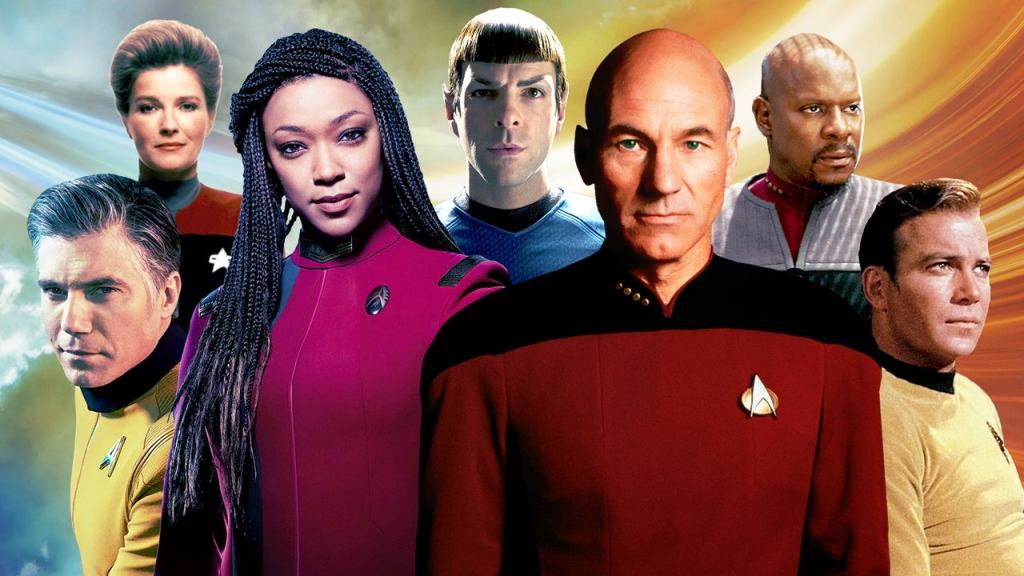
The modern Star Trek franchise has been routinely criticized. Fans either think that some of the new content is too dark and too edgy to even be considered Star Trek (Star Trek: Picard, certain seasons of Discovery, Section 31); or, fans think that the new material is either too heavy-handed in its socio-political focus (Starfleet Academy), or part of the scattershot attempt to merge Star Trek with different genres like animated comedy (Lower Decks) or kids programming (Prodigy). Only a rare case like Strange New Worlds seems to strike the balance for most fans, but that prequel show is inevitably bound by series lore, which limits how “free” it can ever be.
However you weigh each of those criticisms (or not), there seems to be one consensus – really more of a collective hunger amongst the fandom: to get back to Star Trek’s roots of exploring the unknown. Star Trek: Voyager was the last series to lean into that theme heavily, by literally and figuratively forcing the crew of the USS Voyager off to explore the unknown regions of space. Voyager premiered in 1995; that’s far too long for this franchise to ignore its greatest advantage over, say, Star Wars. Print that quote from DS9 out, hang it on the wall at Paramount, and start making the Star Trek fans really want to see.
You can stream Star Trek content on Paramount+
More TV Shows
-
Image Courtesy of Marvel -

Smallville S5 episode "Thirst", depicts Lana Lang as a vampire -

Courtesy of Amazon MGM Studios