Science fiction television is known for pushing the boundaries of what is possible, perhaps better than any genre. In sci-fi, audiences can travel through time and space, explore different dimensions, and experience superpowers such as super-speed and shapeshifting.
Videos by ComicBook.com
Two mainstay franchises of the genre, Doctor Who and Star Trek, exemplify this. Change is crucial to both franchises, across their shows and films. Star Trek shows keep the same overall mission — to seek new life and explore strange new worlds — but, based on their time, encounter different alien conflicts and advances in technology. Doctor Who’s longevity is credited to how its main character can regenerate into a different look and personality while still being the Doctor. Over the last hundred years, sci-fi television has changed a lot, but these five episodes stand out as truly rewriting the rules.
5. “Absolute Justice”, Smallville
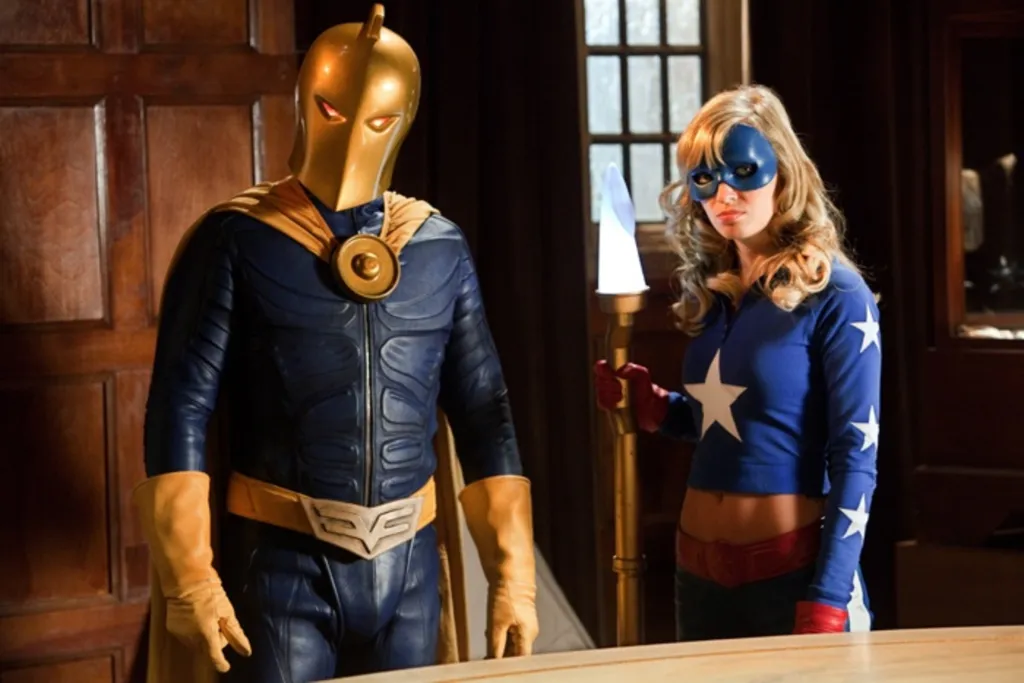
In terms of science fiction, and the sub-genre of superhero television within it, Smallville stands out. It lasted ten seasons, an achievement in itself, while bringing multiple comic book storylines to life. In the show’s ninth season, the show paused its Zod plotline at a time when the show was largely dedicated to serialized television. Instead, it ignored it in favor of a double-length episode, “Absolute Justice”, focusing on the Justice Society of America.
Written by prolific comic writer Geoff Johns and inspired by the 2009 Watchmen film, “Absolute Justice” was the highest-rated episode of season nine. It earned mixed reviews from critics, mainly for Icicle, its lackluster villain, but was praised for the Justice Society. With a longer runtime, the show could flesh out the Justice Society’s backstories, showing why they formed their team and later went into hiding. The episode was seen as the best thing Smallville had done in years, reviving enthusiasm for a show that many had written off, while acknowledged as a major gamble that could’ve gone horribly.
4. “The Tenth Planet”, Doctor Who (Classic)
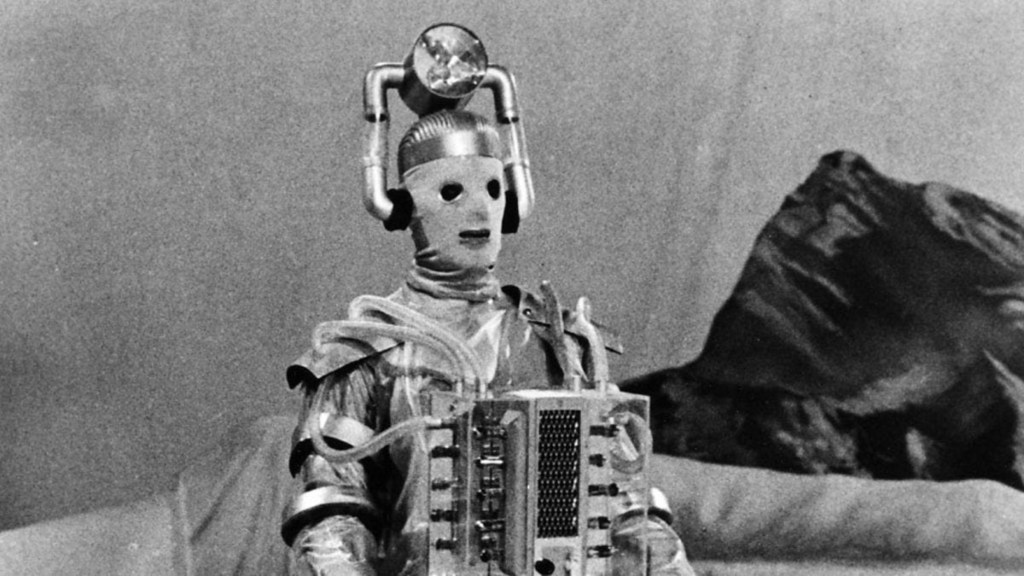
In 1966, Doctor Who changed the rules of its own show. “The Tenth Planet”, the second serial of the show’s fourth season, not only introduced the Cybermen — villains that are instantly recognizable even to modern-only fans of the show — but also showed the Doctor’s first regeneration. Following the defeat of the Cybermen, the Doctor returned to the TARDIS with companions Ben and Polly, only to collapse onto the floor and transform into a much younger man.
Regeneration came out of creative disputes between William Hartnell, who played the Doctor’s first iteration, and the replacement creative team of Doctor Who. The original team departed in 1965, and their replacements found Hartnell difficult to work with, especially with his suggestions that the show become less “evil”. Shaun Sutton, the head of BBC Television, felt a new actor might also increase viewership of the show that’d been decreasing. For viewers, regeneration may have come out of nowhere, and many felt the final episode was hardly a fitting send-off for Hartnell. Still, it’s undeniable that regeneration changed the rules of Doctor Who, and television at large.
3. “Flashpoint”/“Paradox”, The Flash
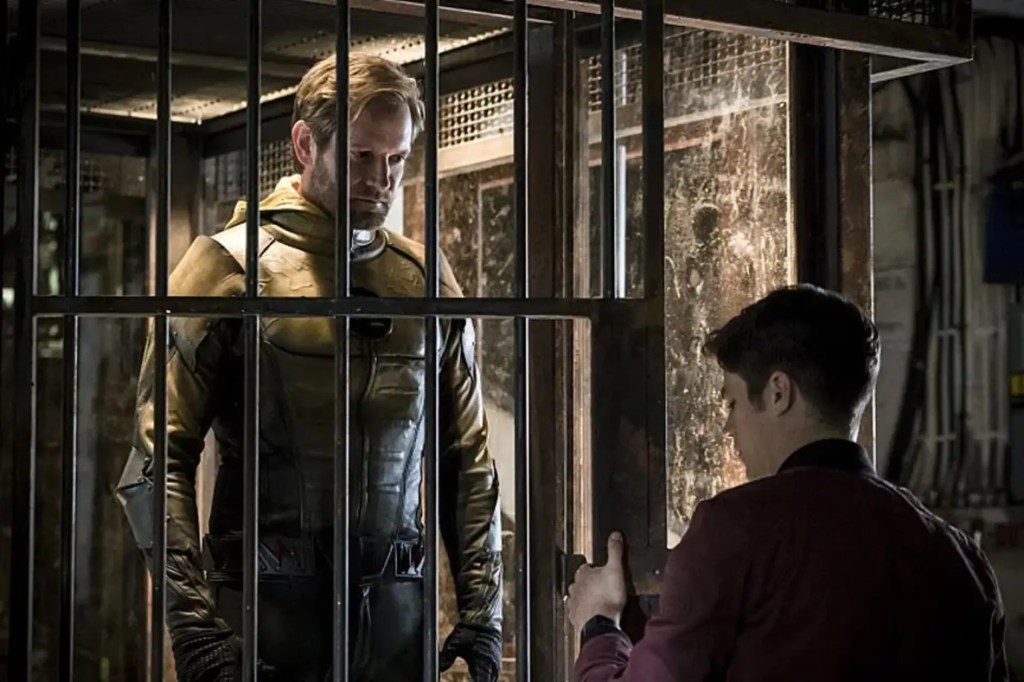
Sci-fi shows are no stranger to time travel shenanigans, but The Flash pushed boundaries with the number of times Barry Allen went back in time and essentially undid major plot points of the show. Following his showdown with the Reverse Flash at the end of season two, “Flashpoint” picks up in an altered timeline where Barry Allen was able to save his mom. In that timeline, he got to have both his parents — his initial characterization relied on wanting to free his dad from prison following an adolescence watching him waste away in prison while Barry was raised in the West household — along with finally asking Iris West out on a date.
Of course, the timeline can’t hold. As in season one’s episode “Out of Time” and the season two finale “Race of His Life”, Barry Allen has to choose to erase a timeline where he and Iris can finally get together. As of “Paradox”, he’s kissed her three times in the series and had to erase all of them. There’s will-they/ won’t-they and then there’s whatever early seasons of The Flash were doing. Barry Allen also has to go back on his word and have Thawne kill his mother, even though he’s spent the last two seasons working against that.
2. “Mirror Mirror”, Star Trek: The Original Series
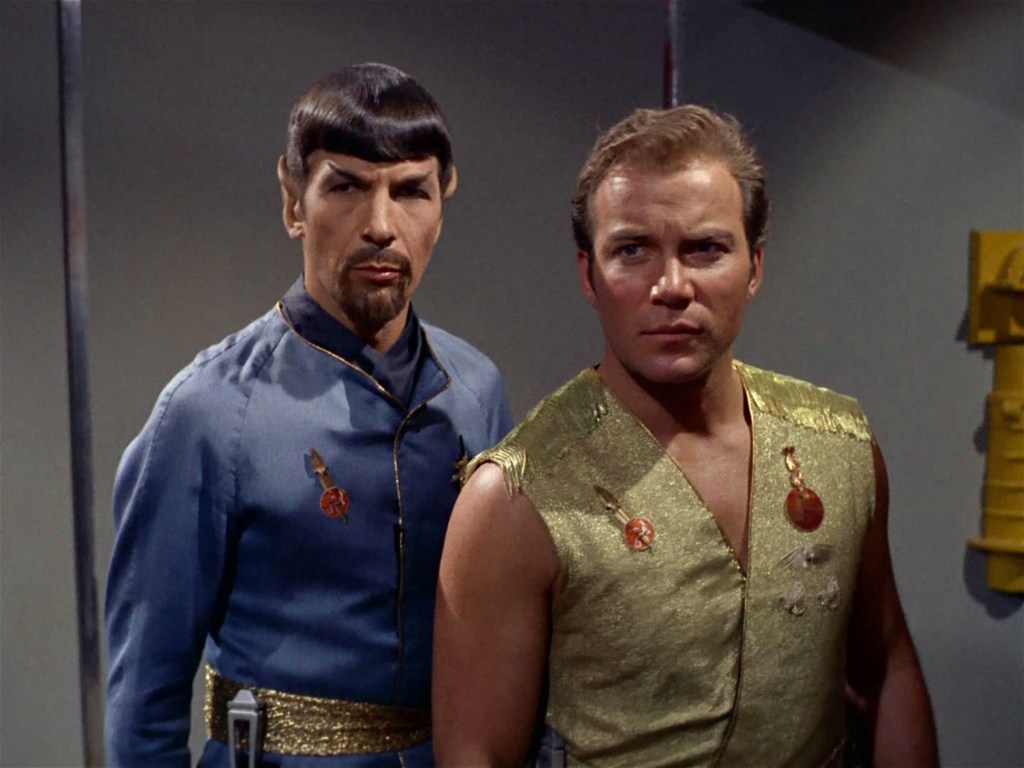
As one of the most celebrated episodes of the original series, “Mirror Mirror” is one that Star Trek returns to over and over. The episode takes the crew of the Starship Enterprise to the Mirror Dimension, a darker reflection of their own reality. At a time when Star Trek was rooted in optimism and the best versions of humanity and Starfleet, the crew experienced a version of their world where that wasn’t the case. Instead of Starfleet, the Enterprise belongs to an Empire, and instead of using their weapons non-lethally, members in the Mirror Universe use their weapons to harm and kill.
The Mirror Universe feels game-changing, especially in the world of Star Trek, because of how often it’s revisited. It showed up in five episodes of Star Trek: Deep Space Nine, two episodes of Star Trek: Enterprise, and four episodes of Star Trek: Discovery. Darker alternate realities may feel overdone to today’s modern audiences, but “Mirror Mirror” is so fresh in its take that it stays game-changing even on re-evaluation.
1. “Plato’s Stepchildren”, Star Trek: The Original Series
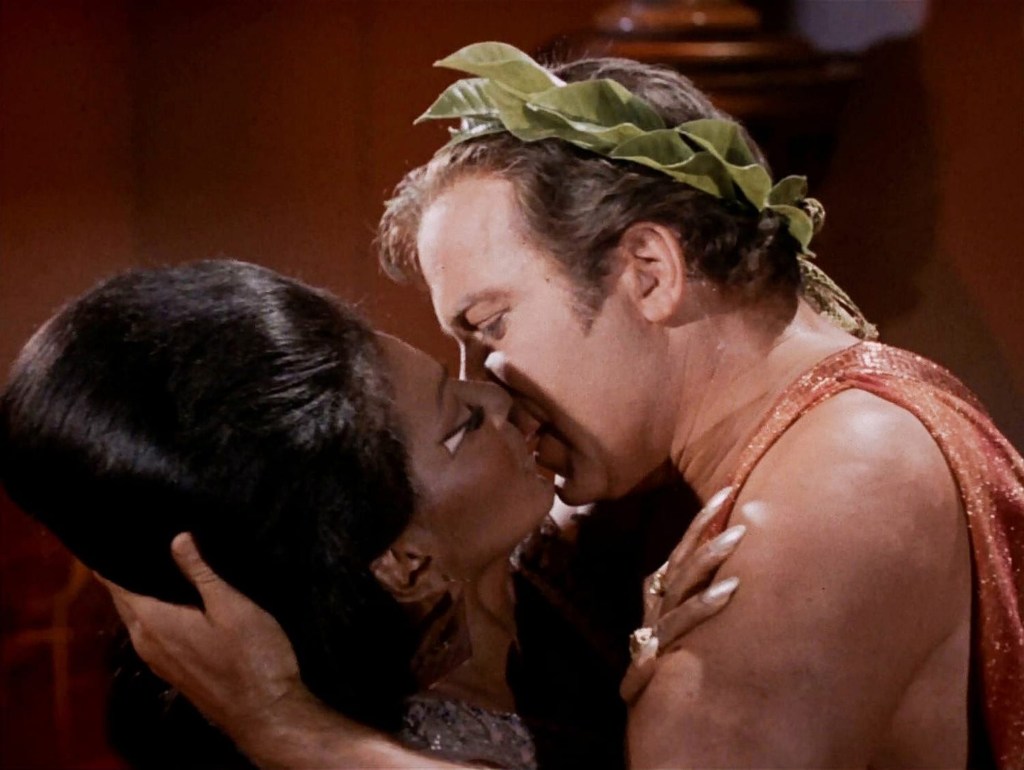
The episode “Plato’s Stepchildren” made television history, not just for the science fiction genre but for television as a whole. The kiss between Kirk and Uhura was the first interracial kiss on television, with accounts from William Shatner and Michelle Nichols detailing that they messed up every take except for the ones with the kiss, so the show was forced to keep it in.
With the kiss, “Plato’s Stepchildren” would start a dynamic that would plague Star Trek as a franchise, given the power differences between Kirk, the captain of the ship, and Uhura, a communications officer. Star Trek: Strange New Worlds gave the two characters a wide berth, choosing instead to have a missed-chance romance between alternate-universe Kirk and La’an while main timeline Kirk is otherwise occupied with Carol Marcus.
Still, the kiss is game-changing in the way that female officers’ outfits in the original series were daring in their original context, even if dated in a modern one. Star Trek: The Original Series let Uhura be desirable, intelligent, and competent at her job, something that stands out even decades after the original show.
More TV Shows
-
Image Courtesy of South Park Studios -
IMAGE COURTESY OF MARVEL STUDIOS