It’s one of Starz’s most beloved series, despite not performing particularly well with critics. Still, it became not only a cult classic with a diehard fanbase, but one that even casual viewers still sing the praises of. Not only that, but historians consistently hype it up for being historically accurate—something that feels more and more rare these days, especially when it comes to the time period the series is set in. Add all that in and mix it up with a serious amount of violence and more than a dash of spice, and you’ve got a show that you won’t want to miss before Netflix boots it off the platform in the coming days.
Videos by ComicBook.com
Spartacus debuted back in 2010 and immediately captured audiences’ attention with its elevated sword-and-sandal vibes and gritty-but-still-sexy aesthetic. Although it earned only a 60% critics’ rating on Rotten Tomatoes, it’s still considered one of the most bingeable series of the last decade. It starred Lucy Lawless, Viva Bianca, and Andy Whitfield, whose time on the series was cut tragically short when he passed away suddenly after a battle with cancer. The series centered on a slave-turned-gladiator who found himself torn from not only his life, but the woman he loved. Now forced to fight for others’ entertainment, Spartacus discovers that the more dangerous battles are those involving politics and deceit.
Spartacus Was a Rare Breed of Show—One That Earned Its Enduring Legacy
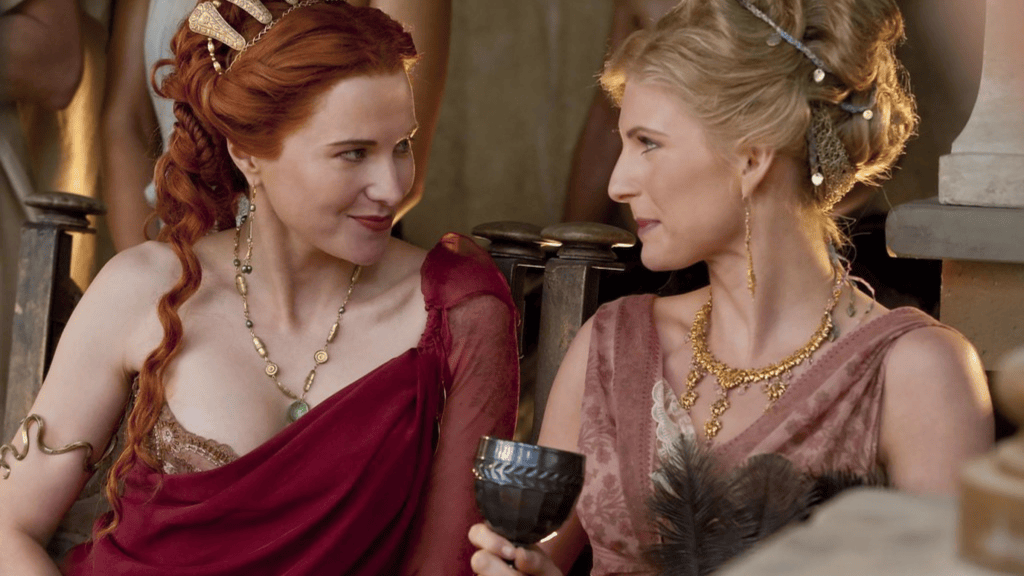
While it certainly wasn’t immune to the Starz treatment, Spartacus remained far more historically accurate than one would expect. “Overall, the show does an excellent job of portraying the brutal realities of Roman society and culture, and especially the culture and expectations of Ludus training in Blood & Sand and GOTA. It’s as crude and violent as it is salacious, just like Roman society was. Unlike coughs the Gladiator movies for example, Spartacus actually shows historically accurate gladiator types and fighting styles,” said one fan. Sure, some things changed, and some glamour and sexiness was definitely added, but at its core, Spartacus showed a lot of respect for the time it was set in and the characters it was based around, intent on not falling prey entirely to style over substance.
Despite all that, critics felt Spartacus was too sensationalized and campy, failing to see those elements as part of its charm. Critic Brian Prisco says, “It’s about gladiatoring, and every time someone gets hit, it’s crunchy and squishy and splattery. Let’s be upfront: this is a terrible, terrible, terrible f—ing series, but I will not look away. The power of bad compels me.”
Whether you’re in the camp of Spartacus being epic, sandy glory, or bloody, nonsensical camp, there really is something for everyone in this series. And you would be remiss if you didn’t settle in for a long weekend of binging before Netflix gave it the axe.