Dick Grayson has always been one of DC’s biggest characters. As Robin, he was an A-list hero who stood alongside heavy hitters like Superman and Wonder Woman. Just take a look at any DC promotional material before the 1980s. Chances are very high that Robin will be standing alongside other typical Justice League heroes, which just goes to show how important and influential he was. Eventually, the Boy Wonder graduated to his own heroic identity in Nightwing, and while he definitely is still an A-lister, his impact was only felt in comic book circles. Recently, however, DC has been pushing hard to change this.
Videos by ComicBook.com
Nightwing has exploded in popularity in the last few years. From leading the superheroic community through Dark Crisis on Infinite Earths to Tom Taylor and Bruno Redondo’s acclaimed run on his title, Nightwing has shot up to being one of DC’s biggest names. Still, while DC is grooming the original Boy Wonder to stand alongside the Dark Knight as an equal hero, he’s still missing one crucial part of being a top hero. While Nightwing has everything he needs as a hero, he’s missing a strong cast of villains to go up against.
Plenty of Ideas, No Staying Power
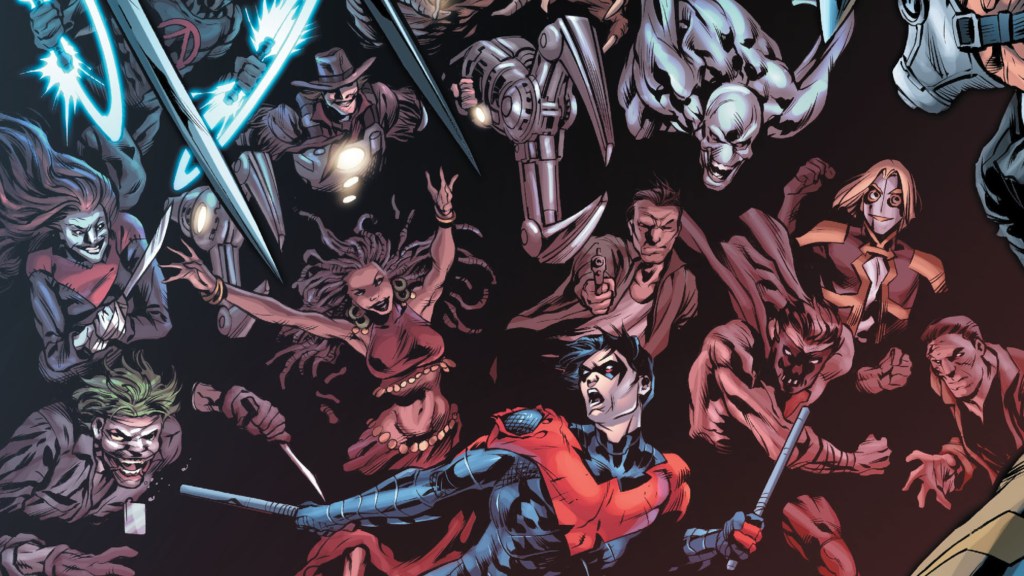
Batman has what is widely regarded as one of the strongest rogues galleries in all of comics. Characters like the Joker, Mister Freeze, and the Riddler are not just iconic villains; they are household names. Even people with zero exposure to comic books can tell you at least two or three Batman villains through cultural osmosis alone. These villains are fully developed characters in their own right who get more panel time than most C-list heroes, and while it’s unfair to compare anyone’s rogues to Batman’s, this discussion is important for Nightwing because he originated fighting these characters.

In comparison to the Batman villains he’s used to, Nightwing’s own criminals lack any of the staying power. His two most enduring enemies are Blockbuster and Deathstroke, and even Slade doesn’t really count since he’s more of a generalist villain than one specific person’s archenemy. Blockbuster, in turn, is Dick’s closest thing to a Kingpin-style nemesis, but he has a habit of dying repeatedly, making it very difficult for him to stick around as a threat. One of the most important aspects of a comic book villain is their repeatability, where they can appear numerous times. Blockbuster dying obviously makes that an issue, and the rest of Nightwing’s rogues follow that same pattern.
Nightwing has introduced plenty of promising rogues, but none seem to stick. Brutale could be his Bullseye, but he hasn’t fought him since before Infinite Crisis. Raptor has a deep connection to Dick’s parents and ties him to the Court of Owls, but his story was completed and practically cannot return. The Judge tested Nightwing’s faith in humanity, one of his core principles, but he hasn’t appeared at all since his original story. Nightwing is constantly introducing villains, but they aren’t sticking around, and there’s a distinct reason for that.
Villains Written For Stories, Not Comics
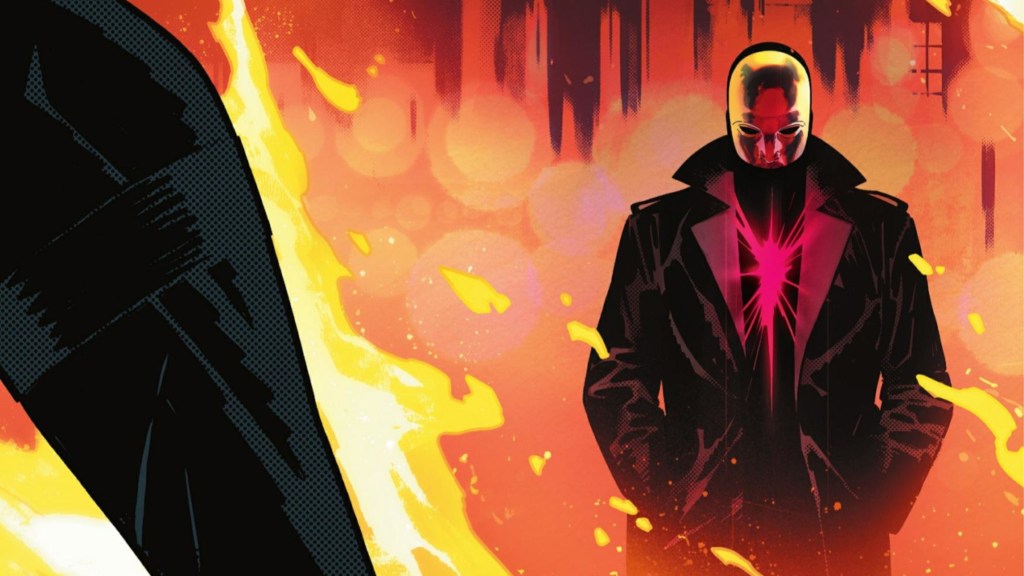
One of the most obvious advantages of Batman’s rogues gallery is that the majority of his villains are very old. The older villains have had decades to establish themselves and paint what their repeating stories should look like. Nightwing’s villains are much newer and thus are being made in a very different landscape. While older comics were written in a consolidated way for single-issue stories, new comics are written in a decompressed style. By and large, the standard is that comics are written for trade paperbacks now, instead of self-contained issues. This incentivizes crafting long, sprawling stories around villains, which makes the stories stronger, but weakens new villains.
It is much harder to get villains to stick by introducing them in decompressed storylines because of the sheer volume of issues dedicated to their single introductory storyline. While it can make for a great way to get to know the villain, it can also tie them so deeply to that story that the villain cannot separate from it to star in new villainous roles. This style incentivizes giving villains complete arcs in their stories, which in turn disincentivizes them from reappearing. It’s a double-edged sword that makes it difficult to introduce long-term villains, especially since older villains have the advantage of recognizability. Why take a chance on a new person when the old ones work just fine?
At the end of the day, it is difficult to introduce villains, but for Nightwing to be the A-lister DC clearly expects him to be, he needs a strong rogues gallery that can bring out what makes him tick. His villains have the potential; they just need the right push to make it happen.
What do you think? Leave a comment below and join the conversation now in the ComicBook Forum!
Most Viewed
-
Image Courtesy of DC Comics -
Image Courtesy of MAPPA -
Courtesy of TOHO Animation