
The 1970s were a tough decade for X-Men comics, as they began to dwindle in popularity and ended up stopping publication completely at one point, becoming nothing more than just a reprint series. However, things changed in 1975 when Giant-Size X-Men #1 by Len Wein and Dave Cockrum turned things around, as the book relaunched with an international team featuring Wolverine, Storm, Colossus, Nightcrawler, Thunderbird, Banshee, and Sunfire after years of only reprints in the regular title. Throughout it all, there were regular villains, like Magneto and the Sentinels, making life hard for the mutants. However, there are other villains who don’t get talked about enough.
Videos by ComicBook.com
Whether it is villains who became something unrecognizable in later years or core X-Men villains who don’t get the recognition they deserve, here are some great 1970s X-Men villains not enough people talk about.
5) Krakoa
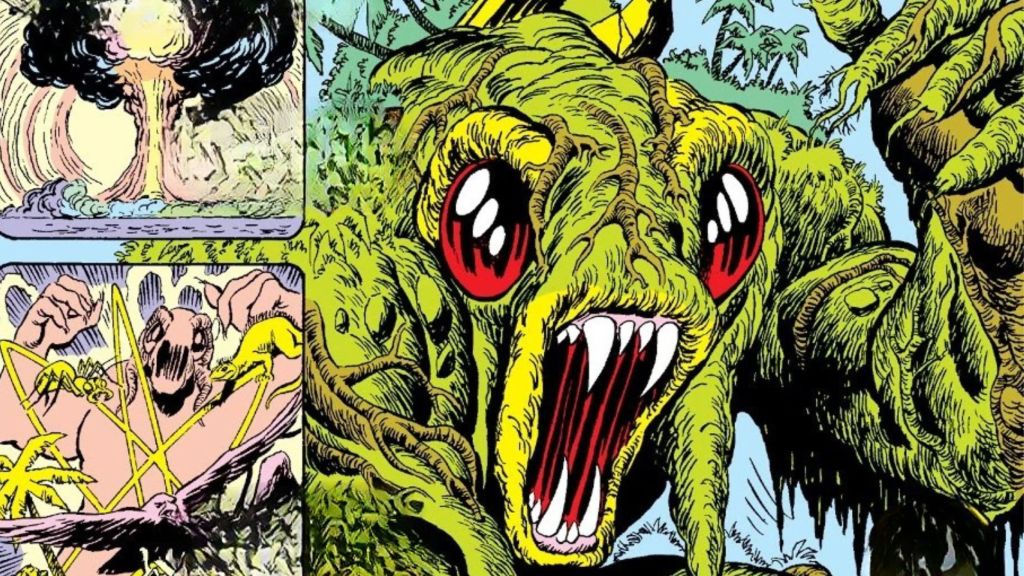
Everyone knows Krakoa as the island where the mutants lived for several years when they believed they had finally found a peaceful home. However, while people know Krakoa as a sentient island and the home of the X-Men during the “Krakoan Age” storylines, not enough people really talk about the origin of Krakoa, which is disappointing since this is the villain responsible for the X-Men’s revival in 1975. Before Krakoa was an island home for mutants, it was a villainous living island that transformed into this creature thanks to radiation.
Krakoa is an entire living island in the Pacific that evolved into a sentient mutant organism with a developed consciousness and predatory biology. The original X-Men team went to Krakoa and ended up being captured, and it took the newly formed international X-Men team to save them. This storyline had the X-Men combine their mutant energies to hurl Krakoa into space. Almost no X-Men fans talk about Krakoa’s villain era because everyone knows it as the mutants’ home, but it all started as a predatory island and an extreme danger for mutants.
4) Erik the Red
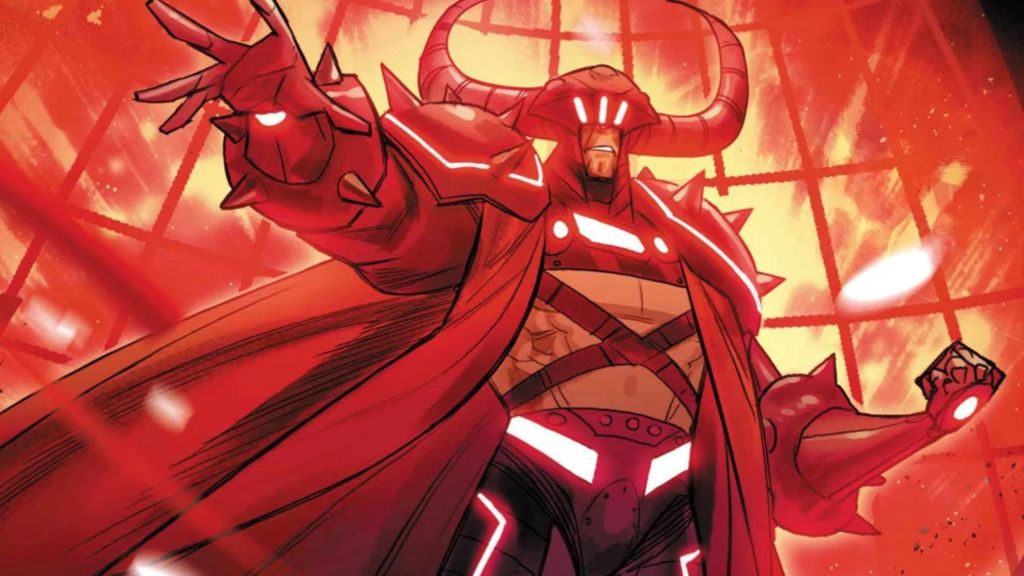
Erik the Red debuted in X-Men #97 (1976) by Chris Claremont and Dave Cockrum. He was one of the first major new villains in the X-Men series after the Giant-Size relaunch. Erik is Davan Shakari, the right-hand agent of Shi’ar Emperor D’Ken. He was sent to Earth specifically to kill Professor Xavier and prevent Princess Lilandra from receiving X-Men assistance in her effort to depose her brother. Ironically, Davan took the identity since it was an alias Cyclops used in X-Men #51 (1968) when Scott Summers infiltrated Mesmero’s organization in disguise.
Erik the Red was hugely important since he was the bridge villain who introduced the entire Shi’ar Empire to X-Men continuity. Erik’s debut helped introduce Lilandra, Emperor D’Ken, the Imperial Guard, the M’Kraan Crystal, and the framework of the “Dark Phoenix Saga” in the 1980s. His role ended when the Shi’ar storyline concluded, and D’Ken was defeated. He was not killed, simply left when he was no longer needed.
3) Black Tom Cassidy

Black Tom Cassidy is a major X-Men villain, but he gets nowhere near the respect that other villains do in the comic book series. He made his first appearance in Uncanny X-Men #99 (1976) by Chris Claremont and Dave Cockrum. One thing that made him so important at the time was that he was the Irish cousin of an X-Men member at the time, Banshee (Sean Cassidy), and the family connection makes their conflict the X-Men franchise’s earliest family-based villain relationship.
His longtime criminal partnership with Juggernaut (Cain Marko) is one of the longest-running villain team-ups in X-Men history, but while everyone knows about Juggernaut, Black Tom is just a character who pops up here and there to cause problems, but doesn’t have the same level of fame as his partner. The Cassidy family conflict gave the X-Men one of their first villain relationships built on family betrayal rather than ideology or power, and with Banshee not as important in the X-Men lineup, this just doesn’t hit as it did in the 1970s.
2) Arcade
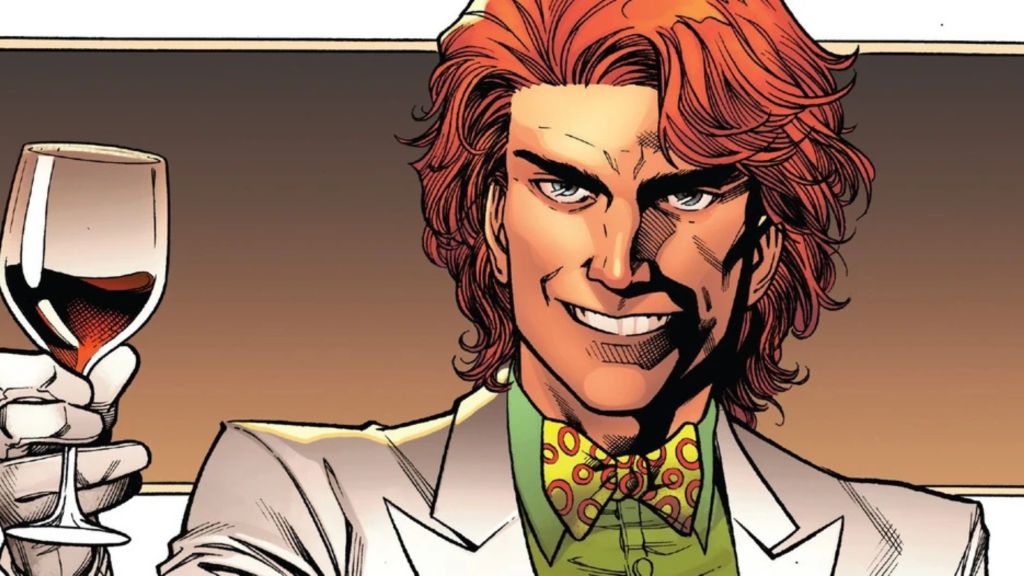
Arcade is a pretty popular Marvel Comics villain, but his role as an X-Men antagonist has been lessened since he has targeted so many other heroes since his debut appearance. Arcade actually first appeared in Marvel Team-Up #65 (1978) by Chris Claremont and John Byrne. Arcade is a contract killer who constructs elaborately themed amusement-park death traps called “Murderworld,” which are custom-built for each target.
Humorously, Arcade charges $1 million per assassination, but he has never actually completed a contract, which he considers a professional embarrassment. While he debuted against Captain Britain and Spider-Man, he turned his attention to the X-Men in Uncanny X-Men #123-124 (1979), trapping the mutants in Murderworld. He later recurred in X-Men comics across the 1980s, but he has since moved on to other heroes, and he isn’t really connected to the mutants as strongly as he once was. This is likely better because the X-Men never really had problems getting out of their traps, and Arcade is too great a villain to waste on just one group of heroes.
1) Proteus
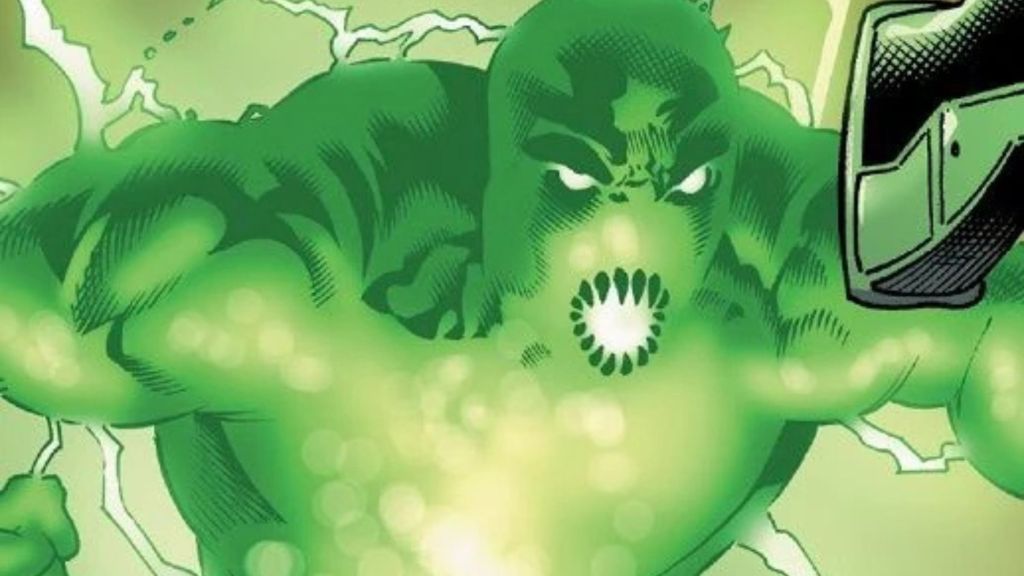
Proteus became slightly important during “Krakoan Age” because he was part of the resurrection protocol, but no one talked about him like they did other mutants, and even other members of The Five. He first appeared in Uncanny X-Men #125 (1979) by Chris Claremont and John Byrne, and his first full storyline spanned Uncanny X-Men #125-128 (1979-1980). He is the mutant son of Dr. Moira MacTaggert, the X-Men’s scientific ally and operator of the Muir Island research facility.
Moira kept Kevin imprisoned in a specialized cell at Muir Island since childhood, hiding his existence from the X-Men and from the world. The truth is that the son of the X-Men’s closest ally was one of the most dangerous mutants alive. His powers involve reality warping and psychic possession. He can reshape physical matter according to his will, bend probability, distort perception, and possess human hosts, although those hosts die within hours. “The Proteus Saga” is one of the best X-Men storylines, but today, few people talk about this great 1970s X-Men villain, and he deserves much more respect.
What do you think? Leave a comment below and join the conversation now in the ComicBook Forum!
More Comics
-
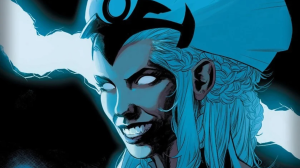
Image Courtesy of Marvel Comics -
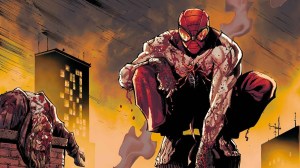
Image Courtesy of Marvel -
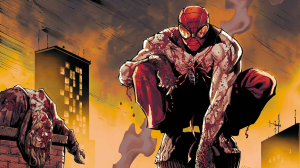
Image Courtesy of Marvel Comics -
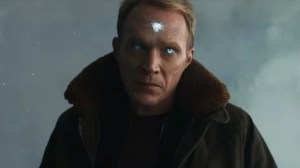
Image Courtesy of Marvel -
Image Courtesy of DC Comics -
Image Courtesy of DC Comics -

Image Courtesy of DC Comics -
Image Courtesy of Marvel Comics
