DC Comics has reached a new level of success in 2026 and it’s been a very long road getting here. Superheroes only exist in the form they do today because of the work of the thousands of creators who have worked for company. From 1938 to 1961, they set the tone of the entire comic industry and were able to become a huge part of pop culture. The rise of Marvel was the biggest challenge they had ever faced and looking at the years since, DC has often failed in that battle. We’ve seen them take the lead by going back to basics with many of their concepts, trying to rebuild the DC of yore, a DC that most fans only know from back issues and articles like this one. All of this spans from one important comic, a book that changed DC forever – Crisis on Infinite Earths.
Videos by ComicBook.com
Leading into Crisis, Marvel had taken the tops of the sales charts and was firmly entrenched their success. The DC Implosion of the late ’70s had nearly destroyed the company and despite the success of New Teen Titans, the company still couldn’t take the momentum back from the House of Ideas. Instead of trying to fight them, DC decided to join them. Crisis was meant to end the DC Multiverse and one of the main points of this was to make the newly singular DC Universe more like the Marvel Universe than otherwise. Post-Crisis DC helped reinvigorate the company, leading them to greater success in the ’80s, ’90s, and ’00s. However, the fact that we’ve been trying to get to pre-Crisis DC for the last two decades shows the truth; the publisher went too far changing their universe and it led to numerous problems.
Post-Crisis Was Often Brilliant but It Was Also a Disaster for Numerous Properties
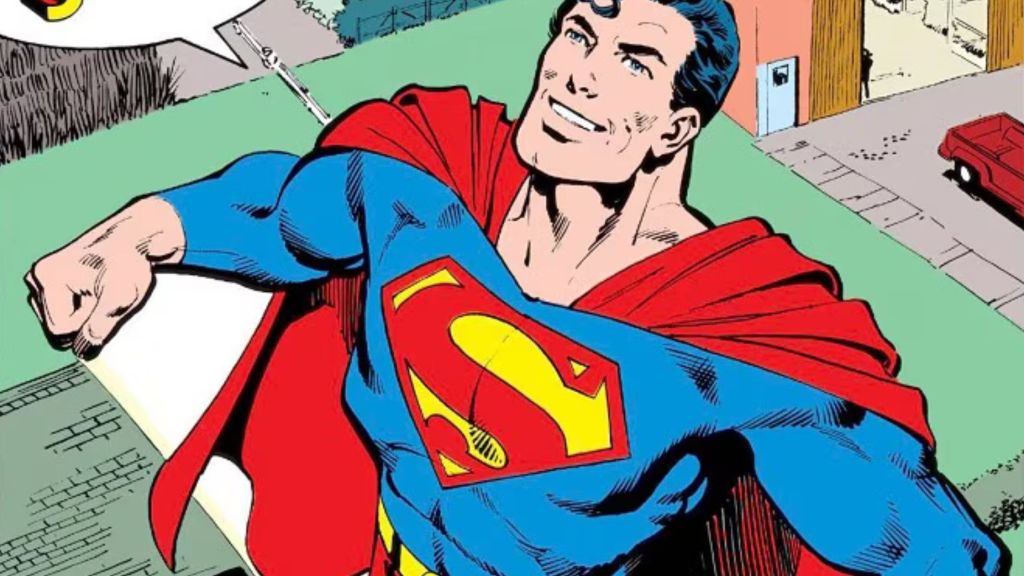
One really can’t underplay the effect that Marvel Comics had on superheroes. In the years before Stan Lee and Jack Kirby’s revolution, superheroes were simple, larger than life characters, adults that the young readers looked up to. You couldn’t empathize with Superman, because he was the epitome of the consummate adult of the ’40s and ’50s. The closest you could get was Robin or one of the sidekicks, but even they had problems beyond anything you could imagine. However, Marvel heroes, even the adult ones, were so very human. You understood their problems, because they were the same as the ones you and your parents encountered. Something like the Thing, a man bemoaning the changes to his body that have ruined his life, is more human than anything that happened in Flash comics of the day.
Marvel was able to win the arms race by making heroes that fans could understand in new ways and DC did its best to play catch up in the ’60s and ’70s. They were able to create numerous Marvel-style heroes like the Doom Patrol and Metamorpho, but DC Comics were always perceived as more childish and complex, mainly because of the multiverse and its numerous doppelgangers. Crisis was the way to fix all of that; it rebooted everything from the beginning, keeping some ideas and abandoning others, giving readers in the mid ’80s the chance to see the beginning of the DC Universe.
The best example of the Marvel-lization of DC was Superman. Writer/artist John Byrne was chosen to reboot the Man of Steel from the beginning, allowed to pick and choose what he wanted to incorporate. Gone was the man of the people origin, the extreme power level, the immigrant status of the character, the Superboy years, and so much more. It was the same Superman, but he was also different. He was weaker and more contemporary than ever, a Reagan era yuppie. This was endemic of post-Crisis; it was the world outside your window, like Marvel had been for years but readers paid a price for it. A lot of the whimsy of the DC Multiverse was gone thanks to the post-Crisis, with gritty reimaginings of characters like Batman taking center stage thanks to classics like “Year One” or Green Arrow and “The Longbow Hunters” or Hawkman in Hawkworld.
The Legion was devastated by reboot, as was the Golden Age Hawkman. The Justice Society didn’t really fit into the newly contemporary DC Universe and it took years for anyone to find a way they could work. Creators were allowed to “modernize” characters and for every successful repackaging, there were numerous failures. DC became grim and gritty, getting darker and darker. Creators would say they wanted to bring back the hope of the past, but they usually just ended up taking things in even more brutal directions to make their point.
The multiverse itself was also integral to what DC was and its loss was a bigger blow than we realized. While we had Elseworlds story, there were no more big multiversal crossovers, which hurt the Justice League as a concept until Grant Morrison was able to figure out how to make the team work without multiversal threats. While it was great at times to see DC concepts in a different way, so many of the best of them were just gone or way more “realistic”, and it hurt them. By 2005, a major part of DC Comics was trying to modernize pre-Crisis concepts and make them work work in the present, something that has been going on in some way for the last 21 years, down to the New 52 acting as an analogue to Crisis on Infinite Earths.
Post-Crisis DC Showed That the Publisher Couldn’t Be Marvel
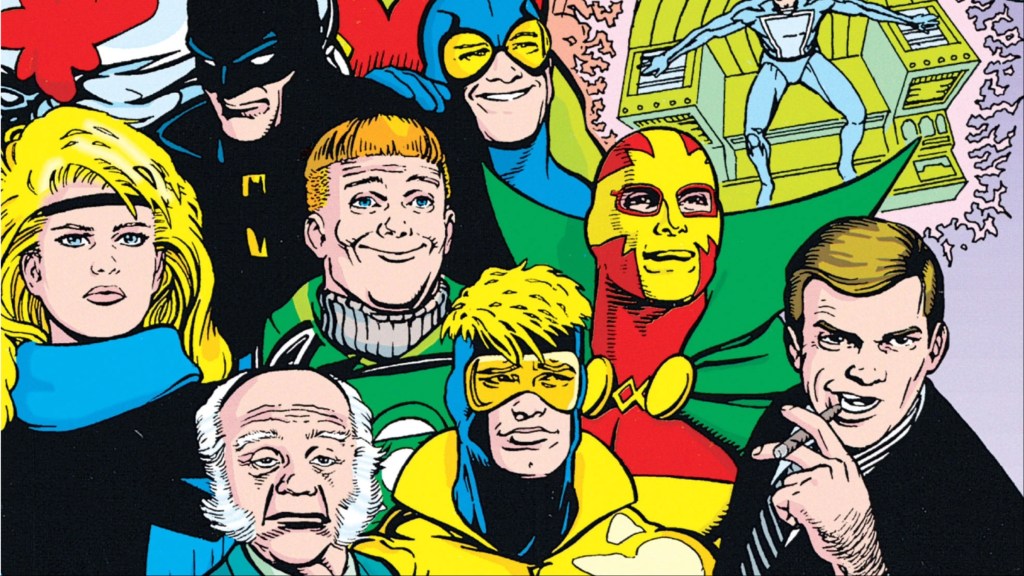
I grew up with post-Crisis DC. My entire love of DC Comics was born because of these stories. The company was able to do something unprecedented – they started their universe from the beginning, following the example of their competition, and were able to build some amazing comics. However, starting in the ’90s, creators like Grant Morrison, Mark Waid, Tom Peyer, Bryan Augustyn, Keith Giffen, and many others started to bring back concepts and ideas from the old days. Slowly but surely, things have been shifting back to pre-Crisis DC, discarding the changes of the post-Crisis DC reboot.
These changes were integral to grabbing the attention of a whole new generation fans, but sometimes when you go back and read those books, they don’t really feel like DC. They feel like reheated Marvel. Looking back at the circumstances of the company overall in the ’80s, they needed the changes of Crisis on Infinite Earths. They needed to simplify their universe and they needed to add some realism to their characters. It was an unequivocal success but something was lost in the process. The direction that DC has taken since Infinite Crisis has been about bringing back everything we lost in Crisis on Infinite Earths. DC has lapped Marvel for the first time in ages, and they did it by reminding readers what they were before Crisis. They went too far 40 years ago, but they’ve taken steps to fix that.
More Comics
-
Image Courtesy of Marvel Comics -
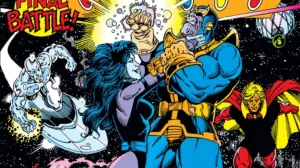
Image Courtesy of Marvel Comics -
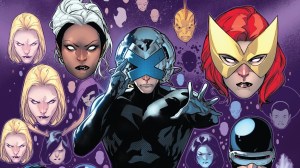
Image Courtesy of Marvel Comics -

Images Courtesy of DC Comics -
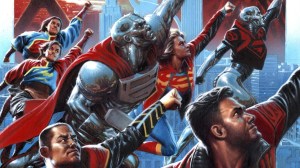
Image Courtesy of DC Comics -
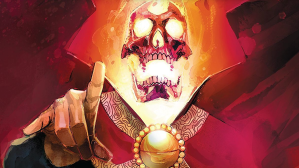
Image Courtesy of Marvel Comics -
Image Courtesy of Marvel Comics