The Assassin’s Creed franchise has become one of gaming’s most ubiquitous franchises, with over a dozen mainline entries since it debuted in 2007. While the series has still enjoyed strong sales and good reviews in recent releases like Assassin’s Creed Shadows, it seems the franchise isn’t exempt from the challenges facing the larger gaming industry.
Videos by ComicBook.com
Ubisoft has announced a major restructure that puts emphasis on its different departments. Some of these changes seem to include studio closures and personal changes, including some high-profile departures from some of Ubisoft’s biggest franchises. One of them isn’t leaving quietly either, with a lawsuit pending against Ubisoft.
Why a Former Assassin’s Creed Lead Is Suing Ubisoft
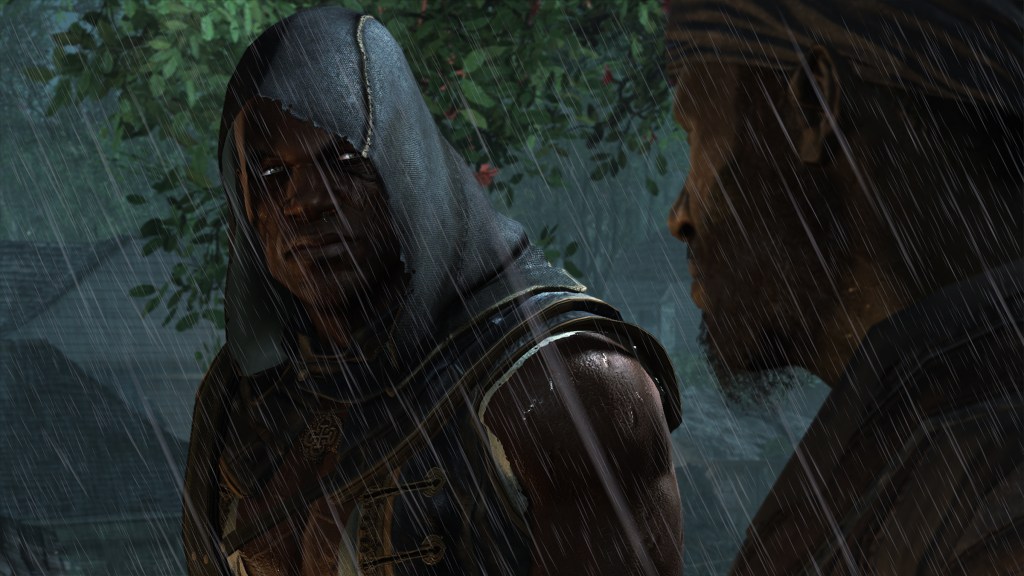
A consistent lead on the Assassin’s Creed franchise has brought a lawsuit against the publisher just a few months after he left the company he’d worked at for twenty years, highlighting the sudden nature of his departure amid massive changes for the company. As part of his lawsuit, Marc-Alexis Côté has claimed that Ubisoft’s “demotion” of him from his previous position as the de facto lead on the Assassin’s Creed franchise was a thinly veiled dismissal. This is compounded by the struggles that Assassin’s Creed Shadows faced in a compeitive industry, with reports suggesting it was one of the worst selling entries in the series.
Côté’s lawsuit is seeking almost $1 million in lost wages and severance, and claims that he was effectively replaced as the lead on Assassin’s Creed by relatives of Ubisoft CEO Yves Guillemot when they took over the newly established subsidiary, Vantage Studios. Côté alleges that the company tried to placate him with another position, but Côté decided to leave the company and requested his severance pay. This was seemingly followed by Ubisoft announcing his departure from the company, prompting the lawsuit. Ubisoft’s formal announcement noted that Côté’s vision for the future of the series “didn’t align” with the plans the company has.
Ubisoft’s Legal Battle Is Just Part Of Changes Happening At The Company
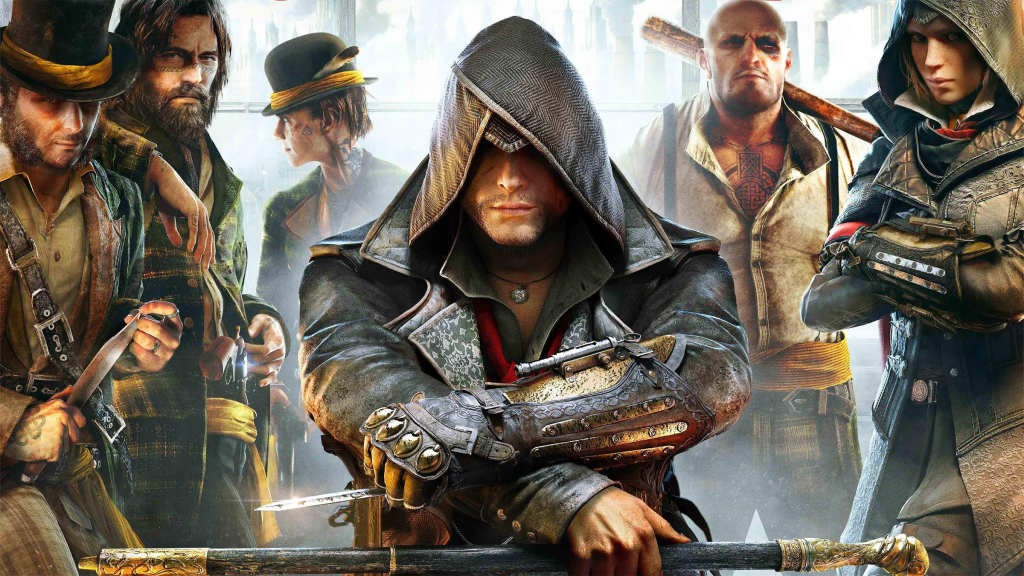
Part of the dispute seems to stem from the larger changes in Ubisoft’s leadership and intentions for the future of the company. Among the reasons Côté’s lawsuit cites for Ubisoft’s decision to demote him was the reveal that all future Assassin’s Creed games will be produced in France, closer to Ubisoft headquarters, as opposed to all the previous entries in the series that have been produced at Ubisoft Montreal. This seems to be consistent with Ubisoft’s recent restructuring, which has put more emphasis on streamlining teams and consolidating departments by shuttering developers and cancelling several unannounced games.
It seems that Assassin’s Creed is going to be more heavily managed by the central business, whereas in the past, it was developers at Ubisoft Montreal. There, developers like Côté were more in charge of the distinct projects and the direction of the series. Notably, this isn’t the only leadership change at Ubisoft, with The Division 3‘s creative director also jumping to Battlefield Studios (and leaving the future of that series somewhat in flux as well) All of this uncertainty has severely impacted Ubisoft’s stock value, although it has also given the company a chance to reaffirm which projects are still in development or taking priority. The lawsuit will only keep the negative attention on the company, however, especially if Côté is able to win his case.
What Does This Mean for Assassin’s Creed?
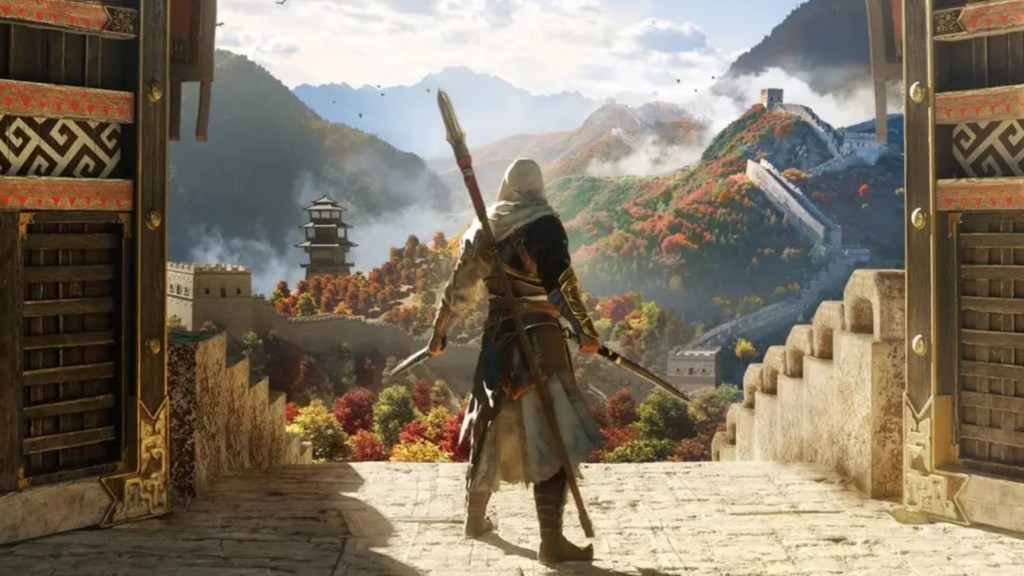
The Assassin’s Creed series is undoubtedly going nowhere, given the massive success it has generated for Ubisoft. However, this lawsuit—coupled with the larger changes at Ubisoft—does highlight how in flux any franchise’s future can be. Even the Prince of Persia: The Sands of Time remake was shuttered after years of development, proving high-profile IPs aren’t safe from potential cuts. There are currently a handful of new games in the series in the works, including the mobile open-world Assassin’s Creed Jade, the supernaturally charged Assassin’s Creed Hexe, and the multiplayer-centric Assassin’s Creed Invictus.
There’s no firm release date for any of them, however, and any of them could have been among the seven games Ubisoft has delayed to 2027 at the earliest. It’s notable that all three titles have different approaches to the franchise than the typical sandbox gameplay that defines the mainline entries in the series. Even Hexe seems to be something of a departure for the series, with more of a horror tone and seemingly supernatural elements. Ultimatley, it will be on the team that Côté worked with to develop whatever plans Ubisoft has for one of the world’s biggest video game franchises. These changes at Ubisoft and the broader direction of the series suggest that, like many other Ubisoft projects, Assassin’s Creed is in a period of evolution. There’s no way yet to know what the final form will look like. However, it seems like only a matter of time before all the changes at Ubisoft behind the scenes start to impact the games they put out.
Most Viewed
-

Official art by Bastien Lecouffe-Deharme -

A photo of the Retrovolt Arcade taken in 2017, showing several classic arcade cabinets and stools.