There are few subclasses in Dungeons and Dragons as well-known as the Necromancer, a division of the Wizard spell caster that summons undead minions and wields other dark magics. Oftentimes depicted as villains, characters who become a Necromancer can become misunderstood figures with plenty of nuance, or straightforward masters of vile arcane power. However, despite its popularity, this archetype has been largely absent from D&D as its rules have changed from 5th Edition to 5.5e following 2024’s overhaul of the iconic TTRPG.
Videos by ComicBook.com
The exclusion of the Necromancer Wizard from the new Player’s Handbook for D&D was surprising for many fans, but many of the class’ other paths were also absent. It wasn’t until the release of Unearthed Arcana (UA) playtesting that the Necromancer appeared again, alongside other Wizard subclasses like the Conjurer, Transmuter, and Enchanter. These subclasses would be refined across other UA, before finally becoming officially part of the game again with the release of the Arcana Unleashed expansion.
The Necromancer Wizard Subclass Returns In Arcana Unleashed Following Multiple Iterations
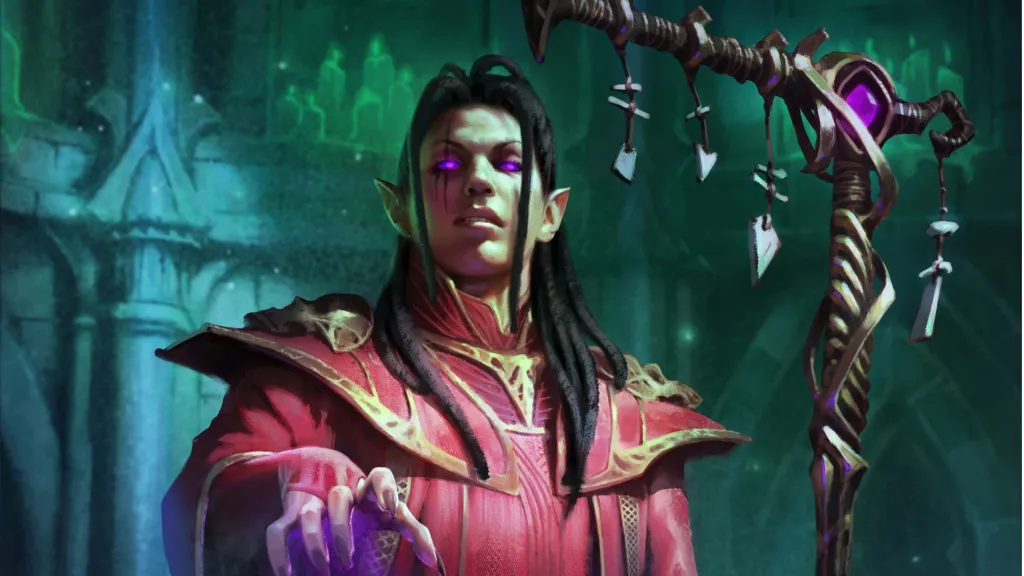
Despite its foundational aesthetic to the imagery of D&D as a whole, the Necromancer has never been as good as the Evocation or Divination Wizard subclasses in terms of mechanical strength. Summoning Undead minions was easier said than done for the subclass in base 5th Edition, with other features lacking in flexibility compared to the skills of other archetypes. As a result, it makes sense that the Necromancer would perhaps be the Wizard subclass that changed the most in 5.5e, but not many fans could predict how.
The first UA for the Necromancer had the subclass look very different than the version printed for Arcana Unleashed, with the character path focused more on recovering or manipulating vitality. This was a route fans pushed back on through UA feedback, requesting the Necromancer retain its ability to summon undead as a primary feature. With this in mind, the end result ended up being a mixture of both ideas, leading to a more impressive version of the Necromancer for players to build characters around when they reach Level 3 as a Wizard.
The spell variety of a Wizard is their greatest strength, so the Necromancer’s Necromancy Savant feature at Level 3 supports this idea strongly. Like other Wizard subclass reworks, the Necromancer now gets to add two Necromancy spells to their spell book for free when taking the subclass, also gaining one free spell from that school whenever they level up. This gives Necromancer characters the ability to take some truly strong spells, such as Inflict Wounds, Death Armor, Vampiric Touch, Blight, or other resurrection magics.
Additional Undead Summons Have Greater Utility As Your Character Gets Stronger

Picking the Necromancer at Level 3 automatically gives your character resistance to Necrotic damage, giving them some defense against undead or other Necromancers. However, the greatest defense available to this subclass is the undead minions they can summon, who act as shields and swords alongside your strong magic. When you become a Necromancer, you gain the Find Familiar spell, which can be used to summon a spectral ally to your side. Unlike other spell casters, though, these Familiar allies are changed to Undead with their own special abilities.
Necromancers can call upon a Skeleton or Zombie to their side, who have their own stats and turns during combat. The Necromancer can sacrifice their Attack during an Attack action to have their Undead Familiar strike at an opponent instead, using the minion’s Reaction to do so. This gives the Necromancer greater action economy within a combat scenario, at least far beyond what other Wizards are normally capable of. A Necromancer can even keep these Undead familiars alive longer than expected too, restoring the Hit Points of any Undead they can see within 60ft whenever they cast a Necromancy spell.
These Undead grow much stronger as you level up too, demonstrated the most through the Undead Thralls feature at Level 6. This ability automatically prepares the Animate Dead spell, which gives the Necromancer an Undead ally. However, this feature lets you cast the spell at an upcast level for no additional cost, turning Animate Dead into a spell that summons three Undead allies at once instead. After gaining this feature, whenever a Necromancer uses a spell that creates Undead, those creatures gain additional Hit Points and extra Necrotic damage on their attacks, making them much stronger.
Manipulation Of New Magics Can Spread The Necromancer’s Features To The Rest Of Your Party
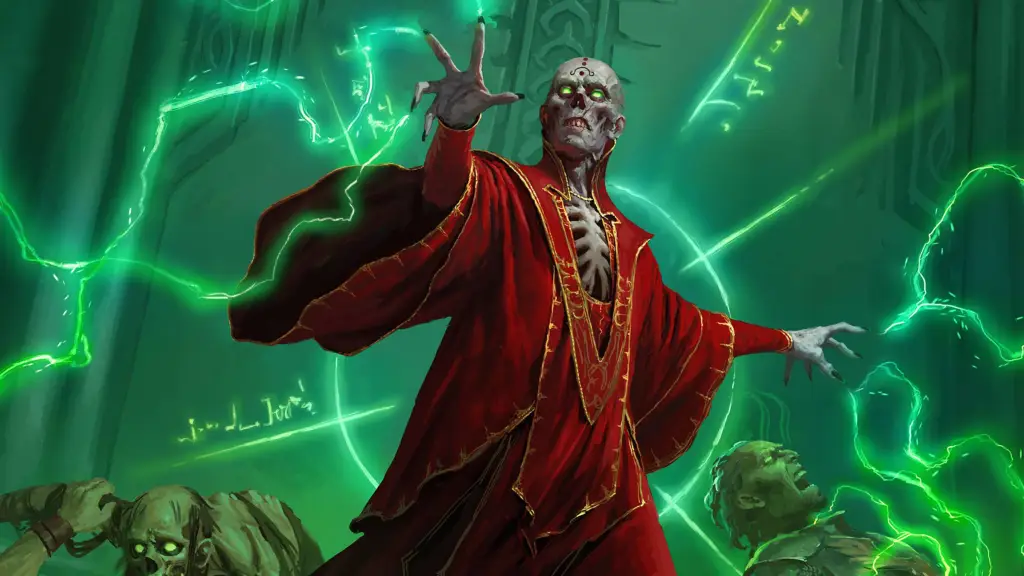
The variety of new spells in Arcana Unleashed benefit the Necromancer greatly once their Undead thralls become stronger. Spells like Wither and Bloom, Waves of Exhaustion, Enervation, Grave Ground, and Spirit Lantern all give the Necromancer a far bigger arsenal of Necromancy spells to choose from as they level up. Traditionally, Necromancy has one of the smallest spell lists in D&D, so this expansion brings much-needed support to the subclass beyond its reworked features. At the same time, the Necromancer’s shifting focus toward self-preservation helps it out quite a bit too.
Level 6 also sees the Necromancer gain the Grave Power feature, replacing the usual Grim Harvest that would only trigger on the death of an enemy. That situational feature has been modified to allow the Necromancer to expend a use of Arcane Recovery to get rid of a level of Exhaustion whenever they want. At the same time, the Necromancer’s spells also ignore resistance to Necrotic damage, allowing players to be useful even in fights against rival Undead. At Level 10, the Necromancer can even destroy their own Undead to regain Hit Points, giving them more endurance than ever before.
The Wizard’s low health is a constant joke among fans of the TTRPG, so the Necromancer’s shift into vitality features is a fix other Wizard subclasses don’t get. At Level 14, the Necromancer can even become Death’s Master, gaining an ability to pump Temporary Hit Points into all Undead allies near them for a Bonus Action. With an ability to detonate an explosion of Necrotic damage from an Undead ally that dies too, this Necromancer in Dungeons and Dragons is far more consistent when it comes to the power fantasy behind the subclass.
More Gaming
-

Paramount – Legendary Pictures -

Courtesy of Evil Empire -

Courtesy of Saber Interactive