To the surprise of many, the hero shooter Highguard is shutting down after less than 50 days of live service, marking a sudden end to the game’s development and support. March 12, 2026 marks the end of service for Highguard, despite the feedback and content already created since the game’s launch at the beginning of this year. Claims of failure to build a sustainable player base seem to define this decision, but this closure comes as a result of a larger problem that has caused other live service titles to decline.
Videos by ComicBook.com
Highguard was revealed during the 2025 Game Awards show, and launched in January 2026 with a fairly large player count. However, heavy criticisms of the hero shooter reflected its amalgamation of many ideas, some of which didn’t mesh well into a product that clearly needed a lot of changes. From the time of its release, Highguard quickly lost its player count rapidly, turning 2 million initial players into a 90% loss of its audience within its first week.
Highguard’s Launch Tried To Gamble On Booming Numbers Rather Than Engaging Content
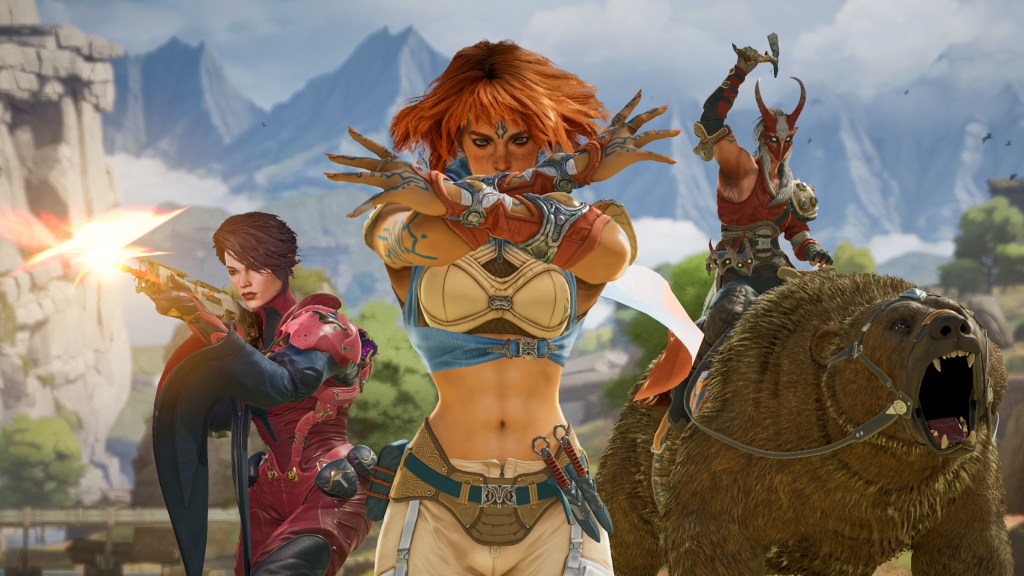
Developers and gaming industry leaders have speculated on why Highguard‘s shutdown has come about, but certain patterns paint a clearer picture. For starters, the shutdown statement provided by the team behind Highguard reveals that a “sustainable player base” was the primary reason for its closing support, rather than other factors. For indie titles and other games that released over the past few years, the number of initial players Highguard got would have been more than enough to label those titles as success.
The fact that Highguard had 2 million initial players and still couldn’t muster a sustainable audience points toward an aim of a booming launch that wanted to surpass those already high numbers even more. Promises of 5, 10, or even 20 or more million players could have been given to publishers, creating false hopes for a live service game players weren’t even sure if they were going to like yet. This may have led to the game’s strange marketing, which included a Game Awards trailer to cap off the show, which seemed to draw more criticism than excitement.
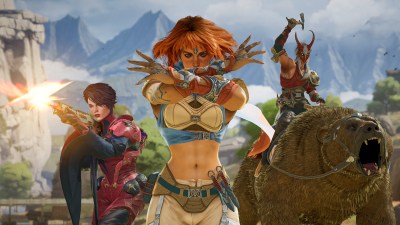
This may also explain why so many different ideas made it into Highguard‘s design, from concepts tied to Apex Legends to co-op systems found in games like Elden Ring Nightreign. The amalgamation of concepts never really stood on their own enough to be an engaging part of the game for players to latch onto, rather acting as a wide net to try and entice the most number of people with different preferences. In many cases, Highguard attempted to be a “big hit” without integrating original features, enticing characters, or recognizable elements that would create such a success.
“All Or Nothing” Approaches To Live Service Titles Is Happening More Often Than You Think
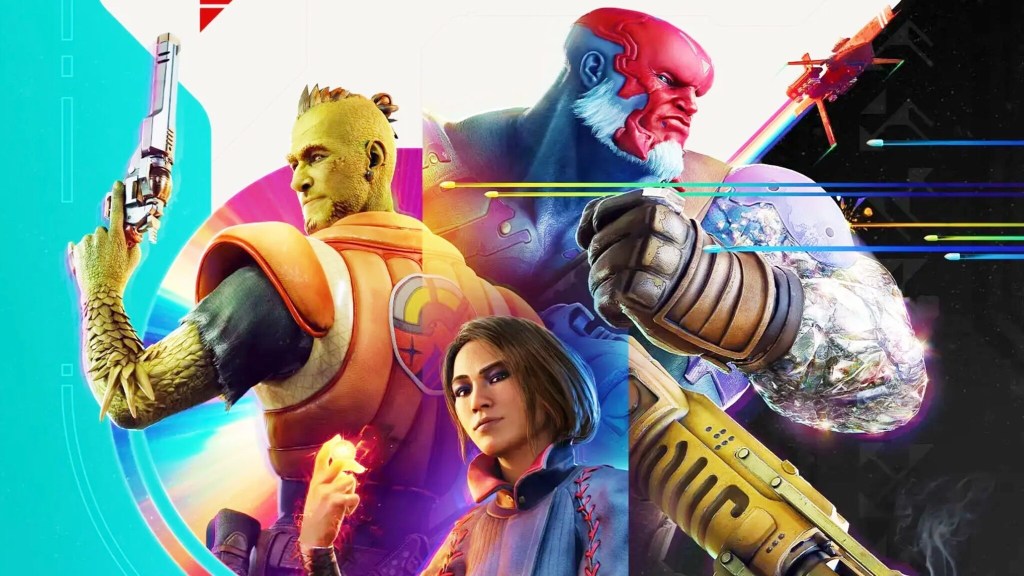
Highguard is, unfortunately, not the only live service game in recent years to try this “big hit” approach. Concord, another hero shooter, was a PlayStation title with a huge marketing push to try and get the highest number of players possible for its launch too. Its gameplay and hero shooter characters were pushed to such a degree that a long animated episode of Amazon’s Secret Level show was dedicated to Concord, showing where the majority of the game’s resources were being put into.
However, much like Highguard, a overall lack of originality and underwhelming player numbers caused this game to shutdown quickly too. Both titles are ones that took at least five years to develop, meaning their failures could have been tied to conflicting ideas surrounding each game’s direction. These huge gambles for success ultimately led to lackluster experiences that players never gravitated toward, with other live service games like Suicide Squad: Kill the Justice League, Skull and Bones, and Anthem suffering similar fates.
Missed Swings Don’t Typically Lead To Improvements, But Shutdowns & Losses For Everyone
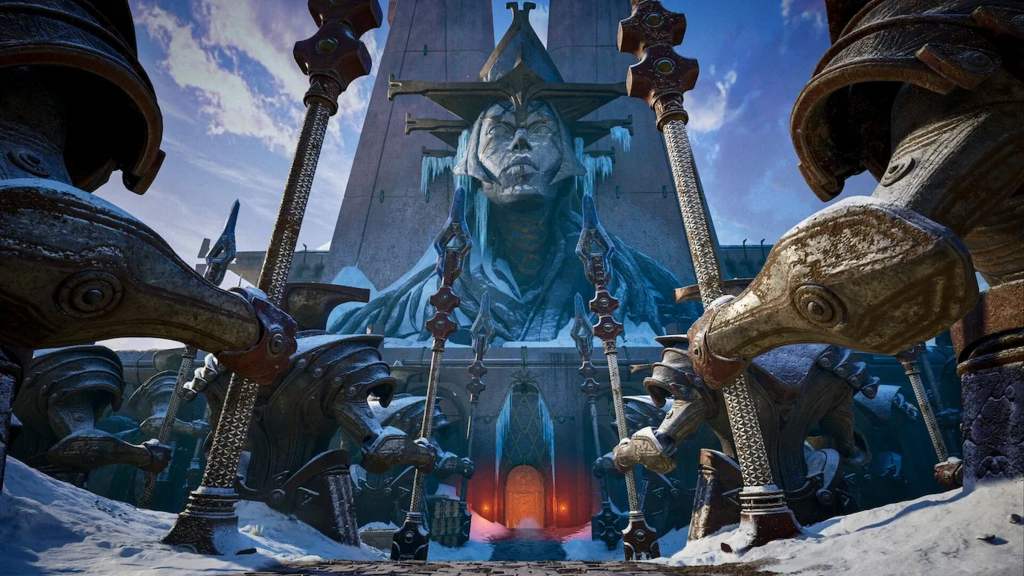
There are plenty of examples beyond Highguard and recent live service titles that initially failed on their premise. Infamously, No Man’s Sky was received extremely poorly on its launch, as well as other games like Cyberpunk 2077, Sea of Thieves, and even other multiplayer experiences like Dead by Daylight. These games gradually became much better through constant updates, application of community feedback, and dedicated support from developers who genuinely wanted to make those experiences better.
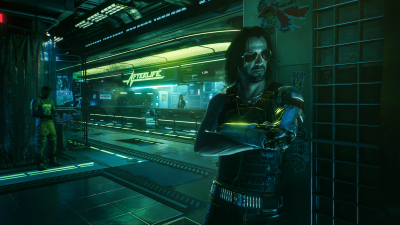
That being said, Highguard and Concord couldn’t afford to restructure their games, being forced to shutdown without a chance to ever repair their flaws. Publishing gambles for a massive launch after half a decade or more in development carries with it so much risk, and is unfortunately a habit many live service titles are banking on. For many, the promise of huge player numbers and consistent large-scale engagement may be the only way game development is funded at all by shareholder or publishing groups.
When games that adopt those cycles fail, they can not just shutdown one title, but bankrupt studios and leave many without jobs. This repeated process of promise, over marketing, gambling, and risk of failure in a highly saturated field make stories like Highguard‘s something that might be more common to any live service title trying to release in the coming years.
What do you think of the current state of live service games following Highguard‘s shutdown news? Leave a comment below or join the conversation in the ComicBook Forum!
More Gaming
-
Courtesy of Wizards of the Coast