The gaming landscape has rapidly evolved in the 21st century, not just in terms of technology. Gaming culture has shifted, with the niche audience that used to dominate the gaming space now encompassing a large portion of the world. This makes cult classic games all the more intriguing a prospect, as titles that once failed to land with a larger audience have a much better chance to connect with players around the world.
Videos by ComicBook.com
No More Heroes is a perfect example of that idea, a quirky and bizarre flash of comedy that felt ahead of its time when it launched in early 2008. Although the game has received some sequels and ports to other consoles, it’s never felt like this surprisingly dark and relentlessly goofy take on the action genre has quite gotten the spotlight it deserved. Nearly twenty years after it debuted, No More Heroes is exactly the type of game that deserves a better chance to shine in the modern console market.
No More Heroes Was One Of A Kind
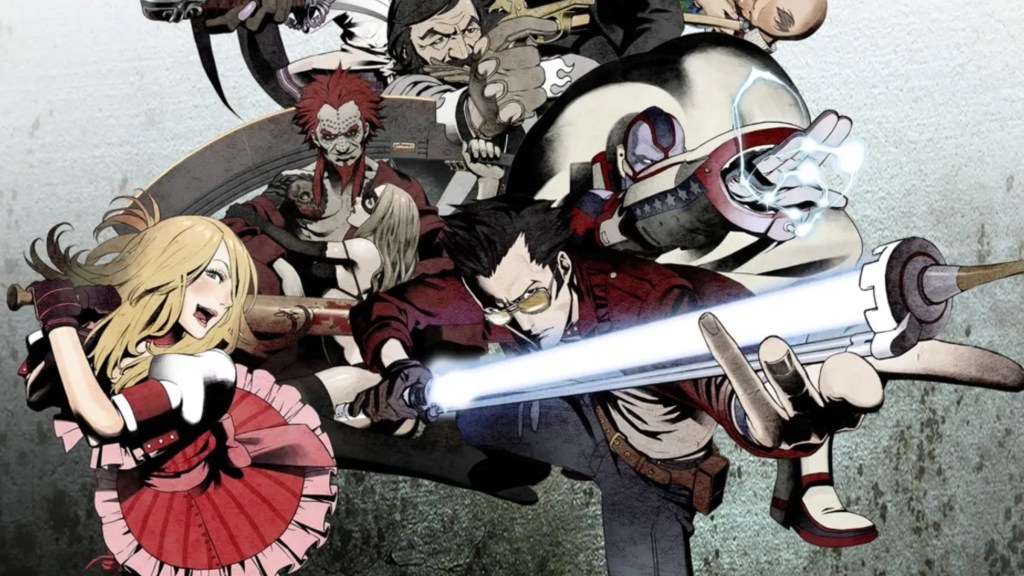
No More Heroes debuted in North America on January 22, 2008, the brainchild of Grasshopper Manufacture founder Goichi Suda. While Suda had worked on several video games and television shows between Killer7 and No More Heroes, it’s clear from the onset that No More Heroes is carrying on the stylish approach and darker thematic touches of Killer7. The cult classic GameCube game was the game developer’s first launch in the United States, and the positive reception to the title led to the development of No More Heroes. The game follows Travis Touchdown, an anime and wrestling-obsessed otaku who wins a lightsaber-esque “beam katana” at an auction.
Without any other money to carry on his interests, Travis turns to the United Assassins Association for the chance to earn more cash. No More Heroes, in many respects, feels like Suda took every pop culture touchstone he enjoyed and threw it into a blender. The title has inspirations from everything like Dirty Harry and Memento to Jackass and Spaceballs. The game feels, at times, like the ultimate bombastic love letter to geek culture — all while being a subtly cutting satire of it. Lewd, crude, and aimless, Travis’s happy willingness to cut down entire swaths of enemies for the sake of a payday works as a harsh reflection of the standard gamer ethos.
Travis isn’t necessarily a good guy, but that’s part of what makes his game so memorably bizarre. It’s a hodgepodge of influences and inspirations, all filtered through the chaotic mental state of an isolated video game fan who believes he’s the only one that really matters. The game’s self-awareness plays out for some solid comedy throughout the game — perhaps never better than a late-game reveal where a side character has to spell out his very obvious role in the story and relation to Travis — but also feels like a perfectly harsh reflection of gaming character tropes. It’s a perfectly self-aware comedy, doing to mainstream gaming of the era what Deadpool typically does to the action-heavy superhero genre: On top of being a cutting parody of it all, it’s also a pretty good example of the medium.
No More Heroes Deserves A Refresh
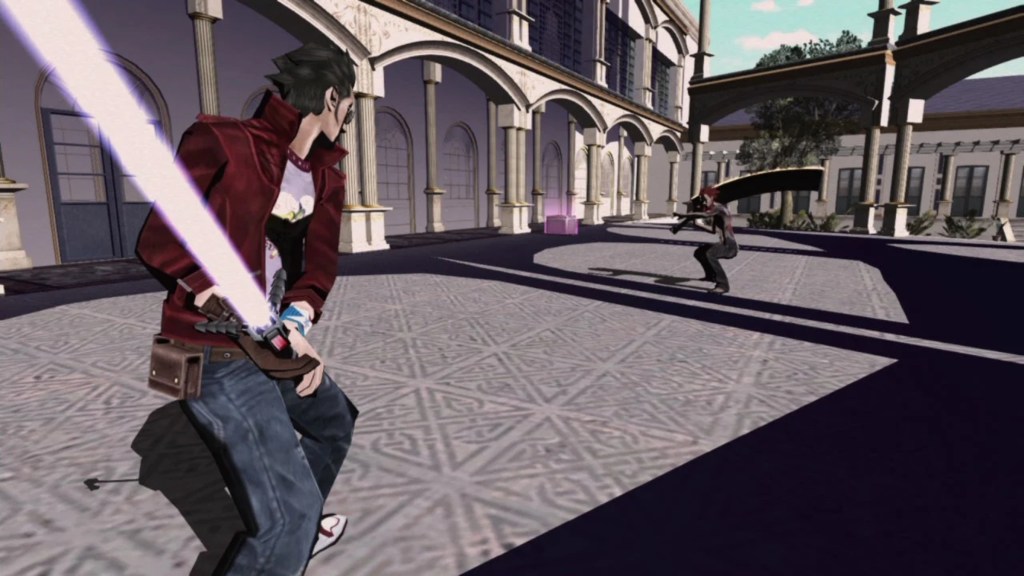
No More Heroes was well reviewed when it launched, with a solid 83/100 Metacritic score for the Wii release. While some publications were a bit cooler on the title, the general consensus was that Travis was a uniquely compelling character and that the game’s sense of style and humor made for a very entertaining experience. However, the game suffered from a Japanese audience that was resistant to the game, leading it to have lackluster sales, only selling 40,000 copies of the game within a few months. By contrast, American audiences embraced the game more thoroughly, with 100,000 copies sold within the first five weeks of release. Since then, the game has developed a committed cult following, along with a handful of sequels like No More Heroes 2: Desperate Struggle in 2010, Travis Strikes Again: No More Heroes in 2019, and No More Heroes III in 2022.
There have also been ports of the earlier games, with the first two titles in the series making the leap to the Nintendo Switch in 2020. Nearly twenty years after it debuted, No More Heroes may be better suited for the current market than the games market it was developed for. In an era where characters like Deadpool and shows like Rick & Morty have made self-aware meta deconstructions of genre more appealing to a broader market, Travis Touchdown could receive the sort of satirical attention he has always deserved. The slick graphics have aged fairly well for No More Heroes. A modern upgrade or follow-up could build on that original game and incorporate some more modern touchstones, even potentially picking up some elements of Deadpool that reflect the growth of the “self-aware jerk” archetype. While the ports were well-received by fans of the cult classic, a new reimagining that takes what worked about the original game and updates it for modern takes on nerd culture could finally be the key to turning No More Heroes from a cult classic to a broad blockbuster hit.
More Gaming
-

Courtesy of FromSoftware -
Courtesy of Embark Studios