For years, downloadable content carried a mixed reputation, none more so than The Elder Scrolls IV: Oblivion’s horse armor. Some expansions felt like content that should have been included in the base game, while others were little more than short side stories that added a few extra hours of entertainment. Every so often, though, a developer releases an expansion so ambitious that it exceeds expectations for the entire industry. These rare releases feel less like DLC and more like full-fledged games. They deliver new regions to explore, unforgettable quests, substantial gameplay additions, and enough content to rival many standalone releases.
Videos by ComicBook.com
Few expansions embody that standard better than The Witcher 3: Blood and Wine. Released on May 31, 2016, the DLC arrived nearly a year after The Witcher 3: Wild Hunt and immediately earned widespread acclaim from critics and players. Even now, ten years later, it remains one of the most celebrated expansions in gaming history. While many DLCs have attempted to match its scope and quality, none have managed to surpass what CD Projekt Red accomplished with Geralt’s final adventure.
Blood and Wine’s Story and Gameplay Additions Raised the Bar for DLC
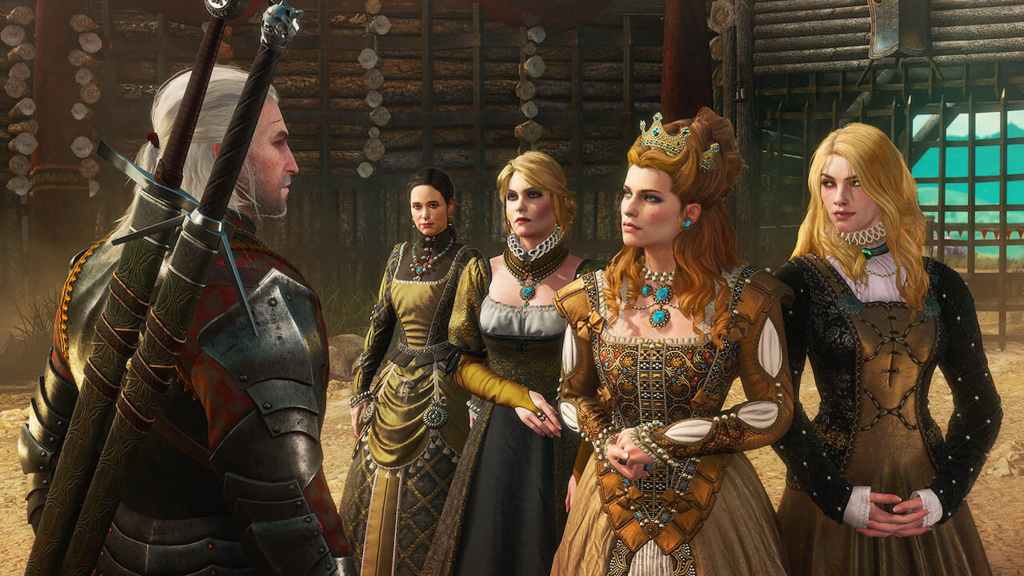
What made The Witcher 3: Blood and Wine special was how much it expanded the experience beyond the base game. Instead of revisiting familiar territory, players traveled to Toussaint, a vibrant duchy inspired by medieval France. The colorful landscapes, vineyards, castles, and knightly traditions created a sharp contrast to the war-torn regions of Velen and Novigrad. I often got lost, just wandering the beautiful region and enjoying the views through Geralt’s eyes.

The expansion’s central story revolved around a mysterious beast terrorizing the land. As Geralt investigated the murders, the narrative evolved into a complex tale involving political intrigue, family tragedy, and moral choices. Like the best stories in The Witcher series, there were no easy answers. Players frequently faced difficult decisions that shaped the outcome of the narrative and the fate of several key characters.
Beyond the story, CD Projekt Red introduced substantial gameplay improvements. The mutation system gave players new ways to customize Geralt’s abilities, encouraging fresh character builds even for veterans who had already completed the base game. New monsters, weapons, armor sets, side quests, and activities made Toussaint feel like a complete expansion rather than an add-on. Even today, the gameplay remains engaging and remarkably modern.
Its Size and Length Felt Like an Entire New Game
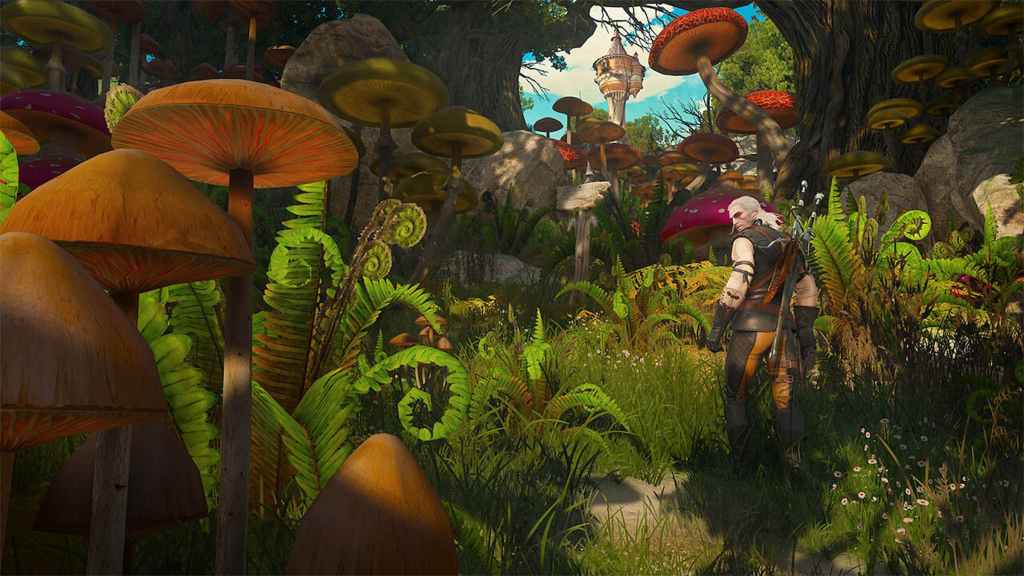
One of the most impressive aspects of The Witcher 3: Blood and Wine was its sheer scale. Many DLCs can be completed in just a few hours, but this expansion offered enough content to rival full-priced releases. The main storyline alone typically takes around 15 to 20 hours to finish, depending on a player’s pace and choices, and this doesn’t even compare to the hours for a completionist or someone who wants to experience everything.
As such, that number grows dramatically when side content is included. Toussaint is packed with contracts, treasure hunts, hidden locations, monster nests, side quests, and character-driven stories. Completionists can easily spend more than 40 hours exploring everything the expansion has to offer. In an era when some standalone games struggle to provide that amount of content, at least in a meaningful way, the value proposition remains impressive.
I still remember entering Toussaint for the first time and thinking I could push through it in a weekend. Instead, I found myself spending night after night exploring every corner of the map. Each new quest seemed to lead to another compelling story, and I continued saying one more hour until it was way past a reasonable bedtime. The experience felt less like downloadable content and more like returning to a favorite world for one final, massive adventure. That sense of discovery remains one of the biggest reasons the expansion continues to stand above its competition.
Can Future Witcher 4 DLC Finally Surpass Blood and Wine?
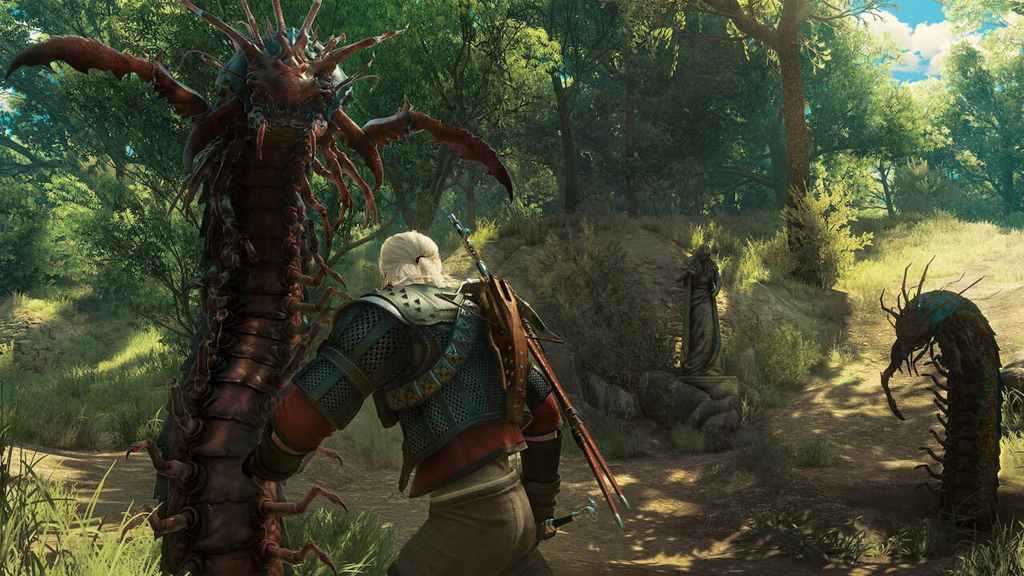
As anticipation builds for The Witcher 4, many fans are wondering about the story, especially since it focuses on Ciri as the protagonist, and CD Projekt Red has teased new areas. But, fans will naturally wonder how the developer plans to support the game in the future and whether its possible expansions can exceed the standard established by Blood and Wine. The challenge facing CD Projekt Red is significant, as the expansion’s reputation has only grown stronger over time.
The studio certainly has the experience to pull it off. Since releasing Blood and Wine, CD Projekt Red has continued expanding its technical capabilities while developing larger and more detailed open worlds. Phantom Liberty was a major success for Cyberpunk 2077. If The Witcher 4 delivers a strong foundation, future DLC could potentially build upon it in exciting ways. Advances in technology also provide opportunities for even more dynamic storytelling and world design when compared to when The Witcher 3 was released.
Still, surpassing Blood and Wine will require more than simply creating a bigger expansion. The DLC succeeded because every element worked together. The story was compelling, the setting felt distinct, the gameplay additions enhanced the core experience, and the amount of content exceeded expectations. Many expansions have offered one or two of those qualities. Very few have delivered all of them at the same level. Until another DLC manages that feat, The Witcher 3: Blood and Wine remains the gold standard and the best expansion gaming has ever seen.
How do you feel about it? Drop a comment below and keep the discussion going in the ComicBook Forum!
More Gaming
-

Image Courtesy of Xbox Game Studios