Gaming is a unique creative medium, precisely because of how it requires a fusion of player engagement and creative direction. It can elicit emotion in a way that novels, theater, comics, film, and television can only sometimes achieve under the best of circumstances. There’s a natural immersion that comes with a gameplay element of the story, making victory for the hero feel like a win on a personal level.
Videos by ComicBook.com
There’s no better gauge of this than lives in video games. Whether there are a set number of extra mans availbale or an infinite number of respawns waiting for the player, the multiple lives game mechanic is one of the most foundational aspects of video games. That’s what makes pulling off a perfect game — like I managed to almost two decades ago — such a deeply memorable moment as a gamer.
Why We Have Multiple Lives In Games
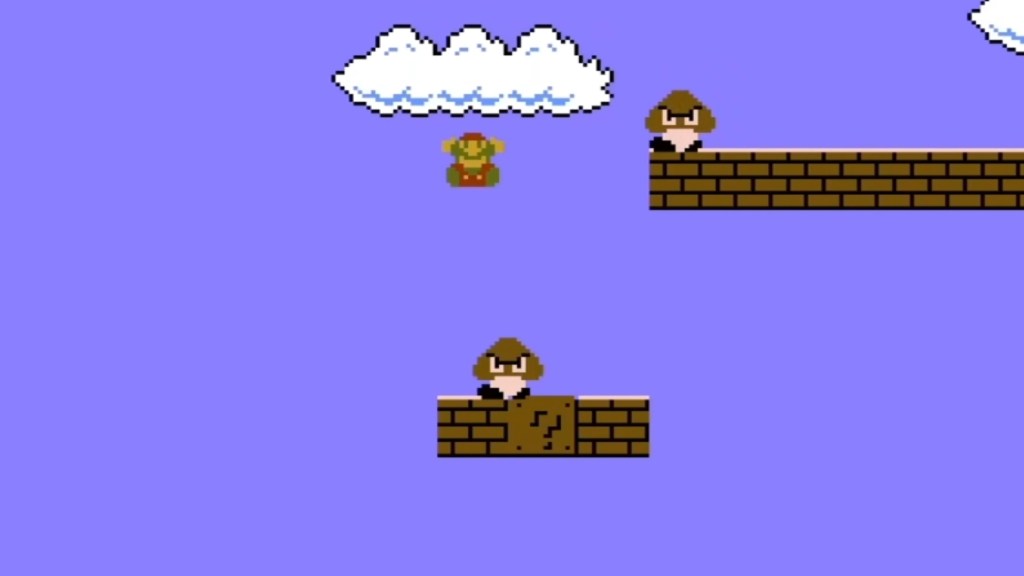
Video games rarely give players a single life for their playthrough for a lot of reasons. A lot of game design, especially in action-heavy games, horror releases, or titles that rely on exploration, encourages exploration and risk-taking. Just ending the game experience after one bad jump or an unexpected combat would be frustrating on a lot of levels. Games having multiple lives have been the standard for most releases since the earliest days of game design. Among the most rudimentary of gaming design mechanics are additional lives, with the likes of Space Invaders, Pac-Man, and Donkey Kong making the concept a foundational gaming element. It allows for a fail state that players can test themselves against, but gives some room for error, so players aren’t discouraged by defeat.
However, the game can’t really acknowledge the mechanic without removing tension. Sometimes, dying in gaming is even made central to the narrative, as in the likes of Hades and Deathloop. For the most part, though, respawns are treated in-universe as non-canon events. That makes the experience of a player actually successfully making their way through an entire game without ever having to respawn all the more rewarding, as the pure immersion into the world has been achieved. It’s an impressive feat in an online deathmatch or an hour-long session of a MOBA game, but it’s especially impressive when a player manages to pull it off after a single-player adventure that took dozens of hours to complete.
A Perfect Run Sticks With You
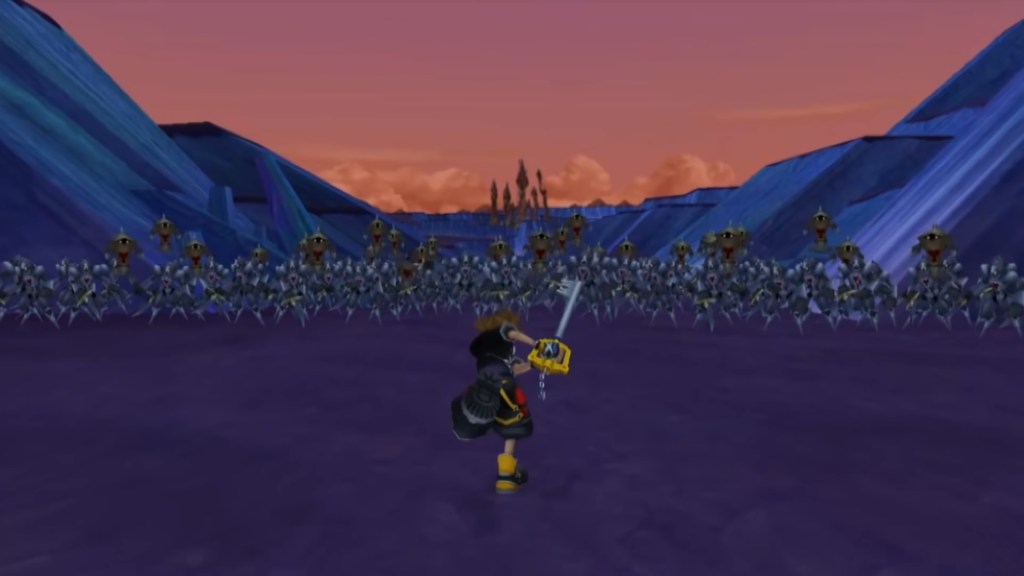
I’ve had a perfect run-through on a handful of games over the years, but actually pulling it off while playing Kingdom Hearts 2 for the first time remains one of my favorite personal gaming memories. Launching in Japan on December 22, 2005, before making the leap to the worldwide market, Kingdom Hearts 2. Square Enix’s follow-up to the successful Disney/Final Fantasy-style crossover, Kingdom Hearts 2 refined the action/RPG gameplay of the previous game and expanded the scope with more impressive and immersive level design. The challenges ranged from classic Disney villains to inventive boss battles against Organization XIII. The battle between Sora and a 1000 heartless still remains one of the best action reveals from this generation of gaming, and it all had the right level of epic scale to really sell the stakes of the adventure.
I managed to make it through the entire game on my first playthrough without dying once, with that streak quickly becoming a driving force in my approach to gameplay. This was never clearer than in my duel with Xaldin at Beast’s Castle, where Sora’s Heartless form — a version of Sora that has enhanced speed but a reduced health bar as a result that can only be achieved when near death — became the key to dodging around Xaldin’s attacks long enough to get restored and resume the battle. It was tense and engrossing, one of the most immersive experiences I’ve had in an action game — which is especially impressive, given the various 4th-wall breaking qualities of a game where the player teams up with the likes of Jack Skellington and Tron.
Why A Perfect Game Feels So Good
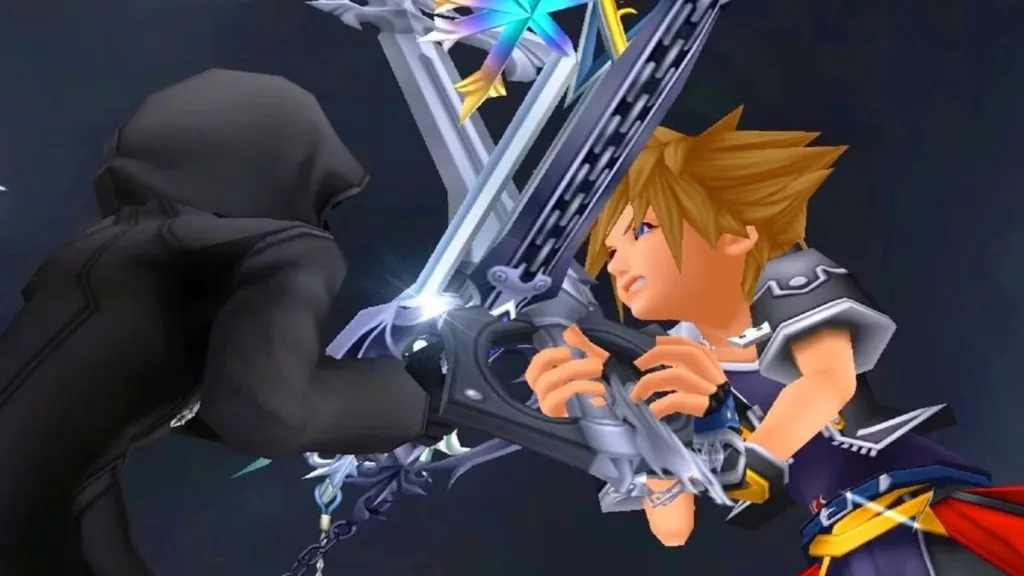
I still remember pulling off a perfect run-through in 2006 as a teenager, shocked with each hour that passed that I had been able to maneuver around death to keep Sora alive. It felt like the perfect representation of a narrative-driven game, where the hero is able to actually fight the impossible odds and pull off a flawless victory. It’s something I’ve repeated a few times, but I still vividly remember the feeling of pulling it off in Kingdom Hearts II, especially as the boss battles became increasingly ridiculous. It made me feel fully immersed with Sora, and immersed me more than ever in the adventure.
It’s the sort of feeling that can only come with gaming, where there’s room for the player’s agency to backfire or not pan out — but there’s a chance it could all work out. A flawless playthrough is something that can’t be replicated in a different medium, as it requires as much from the player as it takes from the game. It’s something that still makes me think back fondly on that experience of rushing to the PS2 after school or over a weekend, desperate to know if Sora would be able to keep up his winning streaks in battle. It’s something truly special to gaming, and is exactly the kind of joy that the medium is calibrated to bring.
Most Viewed
-

Official art by Bastien Lecouffe-Deharme -

A photo of the Retrovolt Arcade taken in 2017, showing several classic arcade cabinets and stools. -
Image Courtesy of Paramount