Different media of entertainment have different advantages. While there are lots of unique and compelling ways to tell stories, some lend themselves to different styles better than others. Horror can be effective in all forms at a base level, but certain types of tension can be more effective when someone is reading it, watching it, or playing it. Recognizing which approach is the correct one for each story is a crucial step in the development process, especially in an era of various different readily available formats.
Videos by ComicBook.com
This makes examples of media made in the wrong format all the more striking. Take, for example, The Order: 1886. Released for the PlayStation 4, Sony’s steampunk fantasy shooter had a compelling central concept and an intriguing fusion of horror tropes with a steampunk aesthetic. There was something genuinely compelling in the creative DNA of the game that failed to translate to a compelling game. Over a decade since it launched, it remains perhaps the most notable aspect of the game and a fertile reminder that not everything needs to be a game.
The Order: 1886 Was A Good Concept That Suffered As A Game
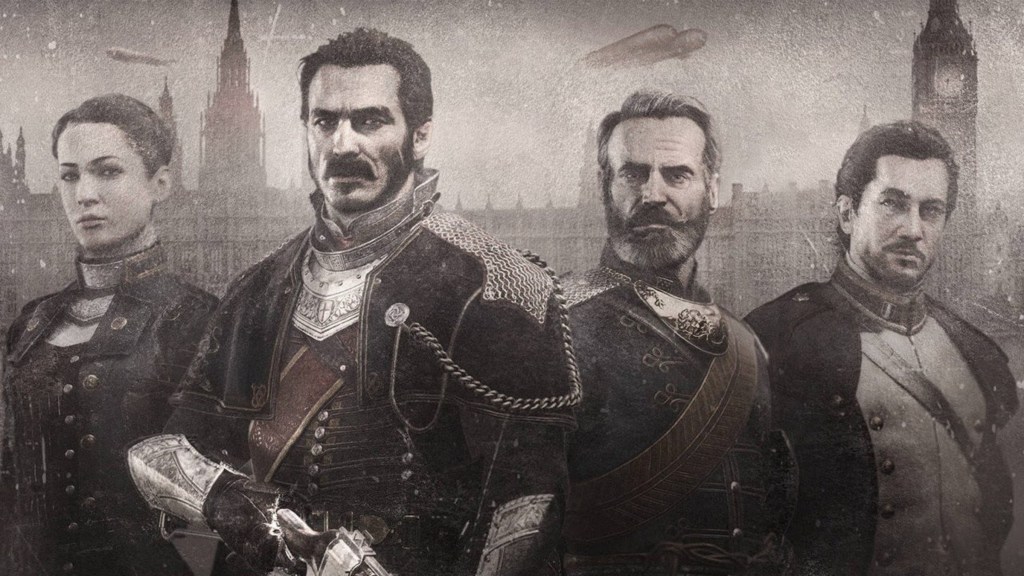
The Order: 1886 had a potentially compelling concept and world design that was let down by its linear nature. Developed by Ready at Dawn and launching on the PlayStation 4 on February 20, 2015, The Order: 1886 introduced players to the Round Table, an organization working to protect a mystical steampunk take on late 19th-century London. Playing as the Galahad, players move through pre-set environments and use a variety of weapons to bring down a host of supernatural threats like werewolves and vampires. The game introduces a potentially intriguing world where the Industrial Revolution is the key to humanity’s survival, finally providing people with the weapons they need to actually bring down the armies of the night.
At the core of the game is a strong central narrative, focusing on questions of duty and honor in a world where a cold and ruthless approach is the only path to survival. Unfortunately, the game suffers from the actual reality that it’s a game. A full playthrough of the game can be completed in as few as 5 hours, although an average playtime could be 8 to 10. While the worldbuilding and visuals are compelling, the simple nature of the gameplay and very linear plot made The Order feel like a very rudimentary experience.
One of the biggest problems was that, due to the sheer linear narrative of the game, completing it the first time felt like finishing the entire experience. As a result, there was little reason to revisit the game after completing it the first time, especially from a player’s perspective. This was reflected in the mixed reviews the game received at the time of release, with many critics celebrating the cinematic qualities of the experience while also calling out the basic and unsatisfying gameplay. While the game initially sold well, any plans for a sequel were shot down, and Ready at Dawn was eventually shuttered in 2024.
The Order: 1886 Could Have Been A Great Movie But Was Wasted As A Game
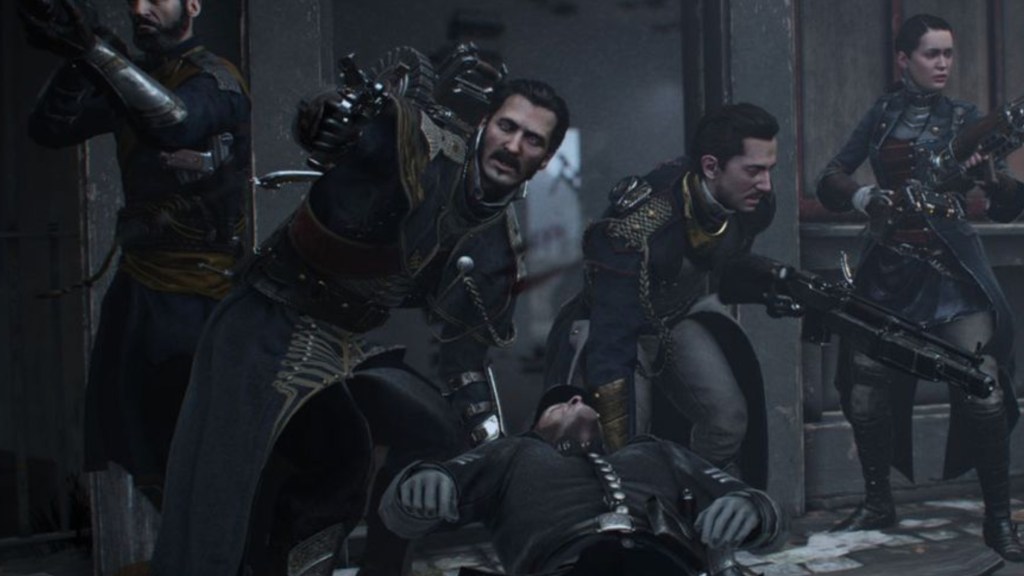
The thing that’s really frustrating about The Order: 1886, especially in retrospect, is that something is compelling in the world envisioned by the game. A grim steampunk setting full of action and intrigue, there are some genuinely cool concepts and entertaining set pieces in the game. The idea of an immortal Round Table working in the service of Britain for centuries is an interesting tweak on the legendary characters, all while reimagining them in ways that feel befitting for the story that is being told. There are cool characters, good performances, and memorable visuals in the game, especially as the plot develops and the mystery of the Lycans forces characters like Galadhad to reevaluate their perception of the world.
The relatively short run-time lends itself well to a straightforward and thematically specific narrative, and the visual fusion of classic English culture and monstrous creature designs provides plenty of good excuses to show off the advanced graphics of the game. However, that central gameplay is dull, never necessarily becoming bad but remaining far from exciting for most of the game’s run-time. Throughout the entire game, there’s a feeling of wasted potential, of good ideas that aren’t getting the kind of focus or follow-through necessary to make them really stand out.
If The Order: 1886 had been a film, it’s possible that the story would have been trimmed down and made more emotionally effective. The audience could have spent more time focusing on the characters instead of being forced to play through some basic action-shooter levels. The horror elements could have been played up for the sake of tension, rather than being dispelled at every corner by another rote action scene. The Order: 1886 might be one of the best examples in recent memory of a game that doesn’t benefit from the format. It’s the sort of presentation that would work well as a film or benefit from the narrative cuts made in translating a fantasy story to a movie. While some stories are well-suited to gaming, The Order: 1886 is a good example of a story that seems like it would be better suited for a film.
More Gaming
-

Courtesy of Insomniac Games