Square Enix is best known for its library of legendary RPGs. These include well-known titles like the Final Fantasy series, Final Fantasy VII in particular, but more obscure games like The Last Remnant. However, the iconic studio has many other genres under its belt, including a video game with striking similarities. It blends top-down exploration, real-time combat, and mythological storytelling in a way that was different at the time. But what makes this forgotten title so compelling is not just its design, but how it disappeared.
Videos by ComicBook.com
Gandhara: Buddha no Seisen is one of Enix’s most obscure releases. Gandhara is a top-down action RPG that feels remarkably similar to early The Legend of Zelda in terms of structure and flow. However, while medieval Europe and Japanese folklore were influences on Zelda, Square Enix drew inspiration from Buddhist mythology. Yet, as this game was only released in Japan, practically no one knows about this experimental game.
What Is Gandhara: Buddha no Seisen?
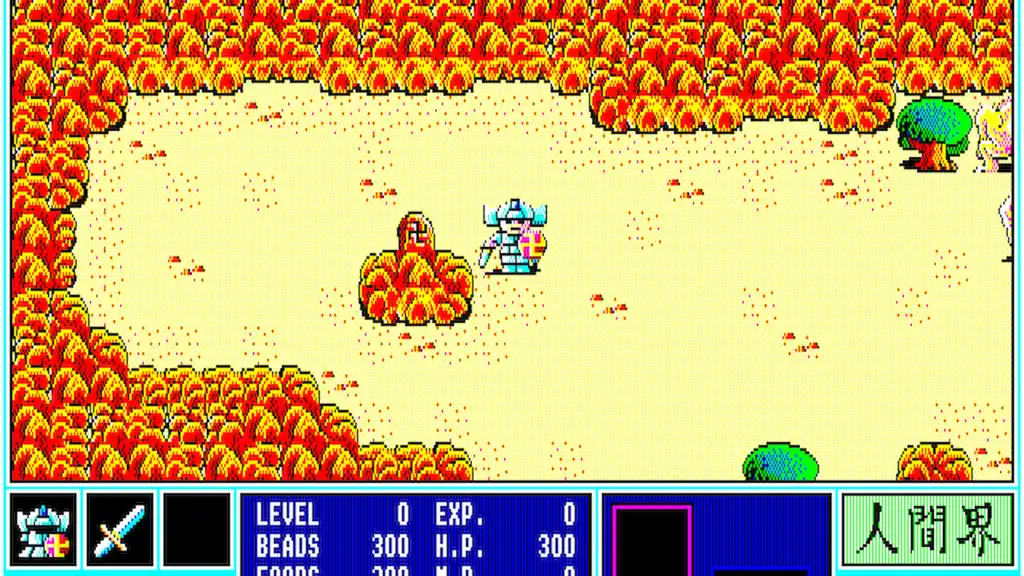
Gandhara is a 1987 action RPG with simple mechanics and a simple premise. The player controls a lone hero navigating hostile top-down areas filled with constantly respawning enemies. Combat is immediate and straightforward, relying on sword attacks and magical spells. Enemies drop experience points, and once enough are accumulated, the protagonist levels up and becomes stronger. Gandhara also incorporates survival mechanics, requiring the player to purchase rations to stay alive, adding resource management to exploration.

It is a clean, readable progression system that rewards persistence without overwhelming the player. For its era, this design struck a careful balance between action and role-playing, something many early games struggled to achieve. It felt very much like Zelda, only coming a year after the original The Legend of Zelda, but it incorporated new mechanics like the leveling-up system.
What truly sets Gandhara apart is its theme. The game takes its name from Gandhara, the capital of the Kushan Empire, located in what is now Pakistan and Afghanistan. In the first century BC, Gandhara was one of the most flourishing Buddhist states in history and helped spread Buddhist culture across Asia. While the game’s story is rooted in pure mythology rather than historical retelling, that influence is unmistakable.
The protagonist is contacted by the bodhisattva Akasagarbha, known in Japan as Kokūzō and derived from the Chinese Xukongzang. He is told that the world is in grave danger. The king of demons is seeking to locate and neutralize the holy Ashes of Buddha, whose power protects the eight worlds. The hero must find the ashes and defeat any demonic forces sent to stop him. Buddhist deities appear throughout the game, giving the world a spiritual tone rarely seen in action RPGs of the time.
Could Gandhara Have Rivaled Zelda In The West?
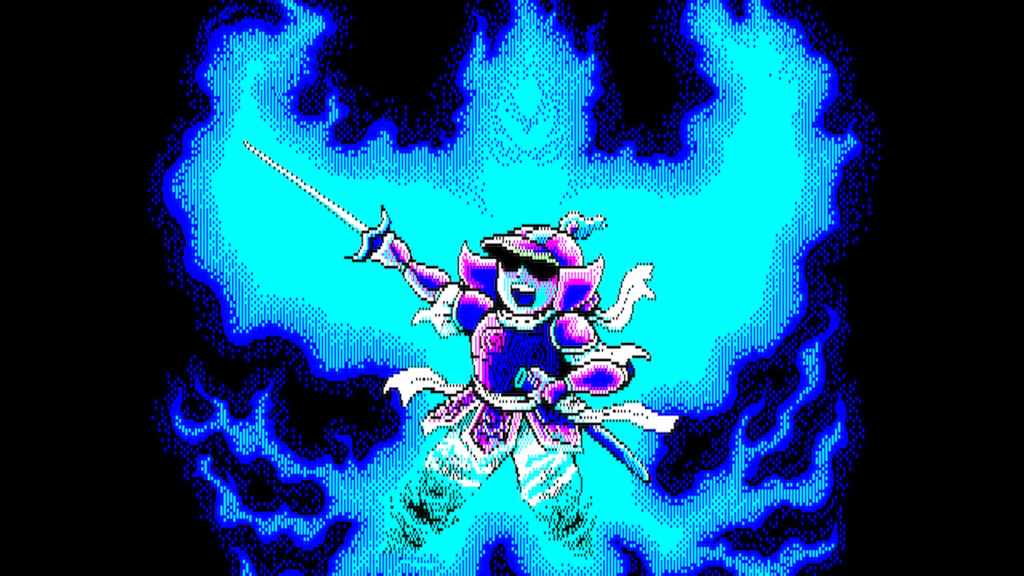
There are several reasons why Gandhara never left Japan, and most of them make sense when viewed through a historical lens. During its release window, Western markets were far less receptive to overtly religious or culturally specific narratives, especially ones rooted in Buddhist mythology. Localization alone would have required significant cultural adaptation, something publishers were hesitant to invest in for niche titles.
Additionally, Enix was still building its reputation at this time. The company focused its Western efforts on more traditional fantasy RPGs that felt easier to market and explain. An action RPG with constant respawning enemies, religious symbolism, and minimalist storytelling did not fit that strategy. And releasing so quickly after The Legend of Zelda could have been seen as a cash grab, even if these were less common back then.
This matter of timing is incredibly important. The action RPG genre had not yet gained mainstream traction outside Japan. Without the established popularity of The Legend of Zelda as a reference point, Gandhara would have been difficult to pull off. As a result, it joined a long list of Enix games that remained Japan-exclusive, subtly influencing design without ever reaching a global audience.
Square Enix Looks Gandhara For A New Series

While Gandhara never saw a release outside of Japan, its influences can be felt today. Many of these derive from Zelda, but the religious design can be seen throughout Japanese development. One could argue that with quality of life improvements, modern controls, and proper localization, the game could find a new audience among fans of classic action RPGs and Zelda-like games. Its mechanics are simple, but simplicity does not mean irrelevance.
Gandhara feels like a conceptual ancestor to newer Square Enix projects. Its blend of action combat, myth-inspired storytelling, and top-down exploration echoes in The Adventures of Elliot: The Millennium Tales. While not a direct remake or sequel, one can’t help but feel that the upcoming title wouldn’t be possible without this early experimental game. In a way, this could be how Gandhara comes to modern audiences and lives on.
While hardly anyone has heard of this game, Gandhara could easily have been a rival to Zelda. If release windows had gone differently, it could have been the start of a flagship series rather than Final Fantasy, the iconic RPG that would release in the same year as Gandhara. Instead, it was relegated to a quiet regional release and forgotten. But if The Adventures of Elliot: The Millennium Tales takes off and succeeds, it’s possible Square Enix could look to give it another shot.
What do you think? Leave a comment below and join the conversation now in the ComicBook Forum!
Most Viewed
-

Courtesy of Crunchyroll