
With her iconic 1818 novel Frankenstein, Mary Shelley is often credited with creating the entire horror genre. Her story, about a scientist possessed with delusions of godhood and the misunderstood monster born from his unstable genius, would blaze a new path for the written word, in addition to creating a story that would be adapted, interpreted, and remixed countless times in the centuries since. It’s no doubt Shelley’s most notable work, but it’s not her only one, and it’s not her only book that fully created a brand new genre. With her 1826 novel, The Last Man, Shelley gave the world a subgenre that was well ahead of its time and wouldn’t be popularized for over a hundred and fifty years, the post-apocalyptic genre.
Videos by ComicBook.com
Shelley’s novel is generally considered the first of its kind in that regard, but the specifics of what entails a post-apocalyptic story have changed over the decades with the advancements in technology around the world. Though films like The Terminator and even Planet of the Apes have put a spin on what life would be like at the end of the world, one of the most influential movies of all-time in this space is celebrating an anniversary. 47 years ago this week, on April 12, 1979, George Miller’s first movie, Mad Max, was released in theaters, delivering a new take on the post-apocalypse that continues to influence film, TV, games, comics, and more. What’s even more noteworthy, though, is that Mad Max only improved over time.

Mad Max Created the Post-Apocalyptic Genre As We Know It
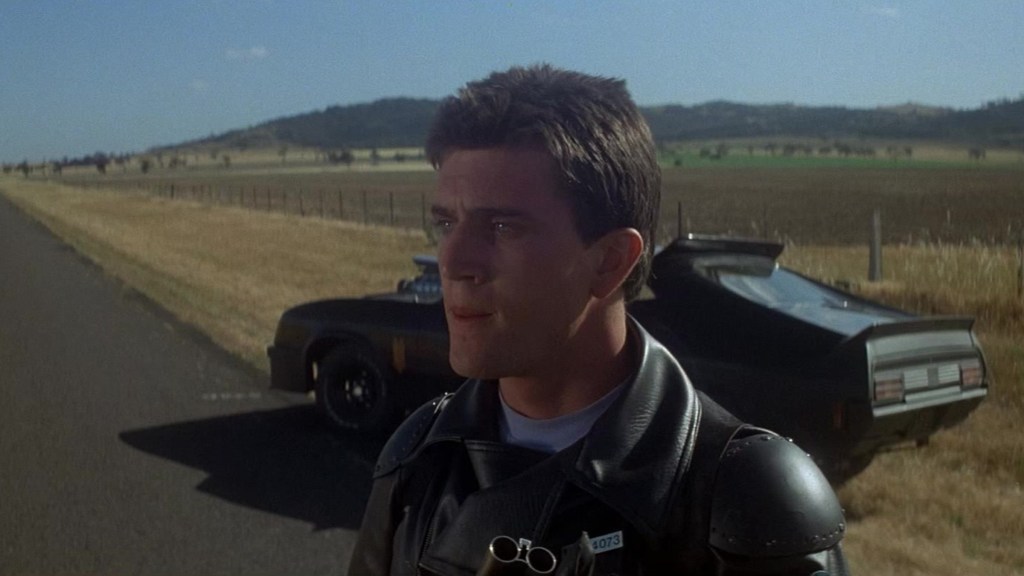
Given the trajectory of the franchise itself, it’s easy to forget that in the context of the original Mad Max, things aren’t quite as bad as they are in the sequels. That said, the film still presents a world on the brink of collapse as what’s left of society fights over scarce resources, while roaming gangs of bandits and thugs terrorize everyone for their own enjoyment. This, plus the inescapable car culture at the heart of Mad Max, put a very specific spin on the idea of a post-apocalyptic world, with the wasteland of Australia not only creating the perfect canvas for Miller’s story, but the entire subgenre itself.
Upon its release, Mad Max had a mixed reception from critics. Though it boasts an impressive 89%, most of the reviews on the site are relatively recent and don’t capture the vitriolic responses that the film cultivated at the time. The New York Times at the time called the film’s plot “flimsy” and said the movie on the whole was “ugly and incoherent.” The years since have not only been kind to fans who liked the movie at the time, but also proven that its influence was bigger than anyone could have predicted.
In the decades since Mad Max and its sequels were released, there have been countless pieces of media that clearly used what it created as a building block for their own stories and worlds. Some of the most famous inspirations for this are the Fallout video games, with irradiated wastelands and factions; Twisted Metal, with its bizarre cars in a demolition derby; and Borderlands, with its psychos roaming the hellscape of Pandora. Even beyond video games, the comic series Tank Girl by Alan Martin and Jamie Hewlett doesn’t exist without Mad Max, nor does the iconic Old Man Logan by Mark Millar and Steve McNiven, itself the basis for the Oscar-nominated Logan.
Mad Max Only Got Better With Its Sequels
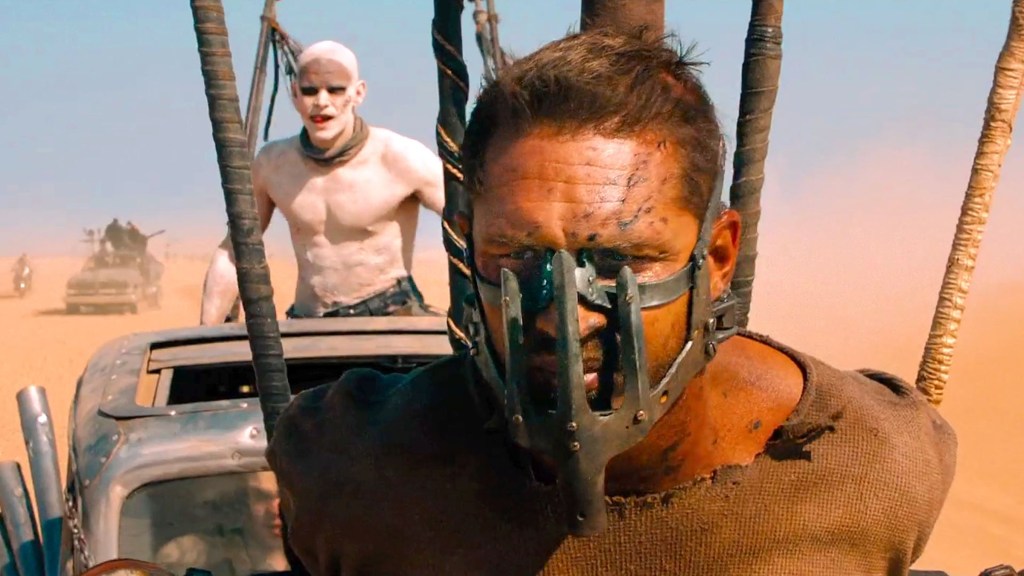
As great as Miller’s original idea for Mad Max proved to be, it’s the sequels to his 1979 movie where he fully perfected it (and which was largely the biggest driving force in post-apocalyptic narrative influence). Two years after the first film came Mad Max 2, notably released as The Road Warrior in the United States, which fully set the template for what the franchise would be like moving forward. The rugged loner Max would find himself meeting people in a desperate situation, with a villain eager to exploit the lawless landscape for his own personal gain, even if it means killing innocent people. The Road Warrior would also influence the film by amping up the already high-octane action, setting the stage for what would come decades later.
Though a third film in the series, Mad Max Beyond Thunderdome, debuted in 1985, the series would remain dormant for decades until the release of Mad Max: Fury Road in 2015. What’s so especially remarkable about Fury Road is that the absence of Mad Max lead to a surge in post-apocalyptic stories, with most of the previously noted franchises springing up in the years where there was no new movie. Upon its debut, though, Fury Road made it clear that no one was thinking about the post-apocalypse and the car culture at the heart of his world like George Miller, as the movie once again elevated the ideas of the subgenre and took it to new places.
Mad Max: Fury Road elevated itself by not only delivering a dense web of new characters, cultures, and societies that were all unique from each other (and all very much new takes for the subgenre) but by maintaining a distinctly feminist lens for its story. The film would go on to become the highest-grossing movie in the franchise with over $415 million globally, winning six Academy Awards and proving that the master of the post-apocalyptic subgenre, George Miller, still had more to teach us.
