
The One Ring may have been destroyed, but Lord of the Rings is far from over. Previous spinoffs have essentially served as prequels (think The Rings of Power), while some stories are in the works that are set during the iconic saga. Warner Bros., however, intend to go one step further; a Lord of the Rings sequel is in development, written by Stephen Colbert along with Philippa Boyens and Peter McGee.
Videos by ComicBook.com
Set fourteen years after the passing of Frodo, it will see Sam, Merry, and Pippin retrace their steps back to Mordor while Sam’s daughter, Elanor, uncovers an ancient secret that almost doomed Middle-earth during the War of the Ring. Colbert is certainly an unexpected choice as writer, but he’s a huge Lord of the Rings fan with a burning love for the franchise. Curiously, though, Shadow of the Past is not the first Lord of the Rings sequel to be considered. In fact, Tolkien had his own ideas.
Tolkien’s Sequel Was Far More Ambitious Than Warner Bros.
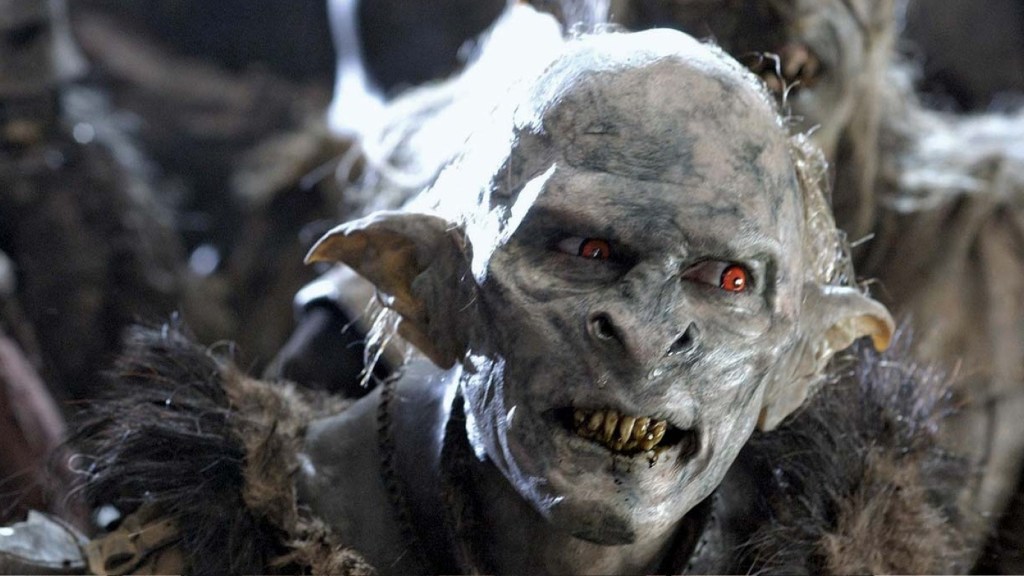
Tolkien toyed with the idea of returning to Middle-earth in a sequel called The New Shadow set 100 years after the War of the Ring. An incomplete copy was published by his son Christopher in 1996 in the book The Peoples of Middle-earth, and it’s only 13 pages long, featuring two characters named Saelon and Borlas. Reflecting on it in a letter in 1964, Tolkien summed it up quite well:
“I did begin a story placed about 100 years after the Downfall, but it proved both sinister and depressing. Since we are dealing with Men it is inevitable that we should be concerned with the most regrettable feature of their nature: their quick satiety with good. So that the people of Gondor in times of peace, justice and prosperity, would become discontented and restless — while the dynasts descended from Aragorn would become unjust kings and governors — like Denethor or worse. I found that even so early there was an outcrop of revolutionary plots, about a centre of secret Satanistic religion; while Gondorian boys were playing at being Orcs and going around doing damage. I could have written a ‘thriller’ about the plot and its discovery and overthrow — but it would have been just that. Not worth doing.”
Tolkien’s Catholic faith always heavily influenced his writing, and here you can see his belief that the battle between good and evil will not truly be resolved until the end of time. Sauron may have been defeated, but there will always be a new shadow, and in this case it draws on the horrors of the past. A secret orcish cult meet at night, ships have been lost at sea, and the name Herumor – one of Sauron’s lieutenants – has been whispered. Tolkien’s opening contains a philosophical debate on good and evil between Saelon and Borlas, setting up the central conflict, but it’s unclear whether Borlas was intended to be the star or simply Saelon’s victim.
Still, in the end, Tolkien considered this a story “not worth doing.” He evidently changed his mind, returning to the idea in the 1970s, because he mentioned it in another letter written in 1972. “Then I of course discovered that the King’s Peace would contain no tales worth recounting,” Tolkien concluded. “His wars would have little interest after the overthrow of Sauron; but that almost certainly a restlessness would appear about then, owing to the (it seems) inevitable boredom of Men with the good: there would be secret societies practising dark cults, and ‘orc-cults’ among adolescents.”
Tolkien’s Story Was Intended as a Thriller
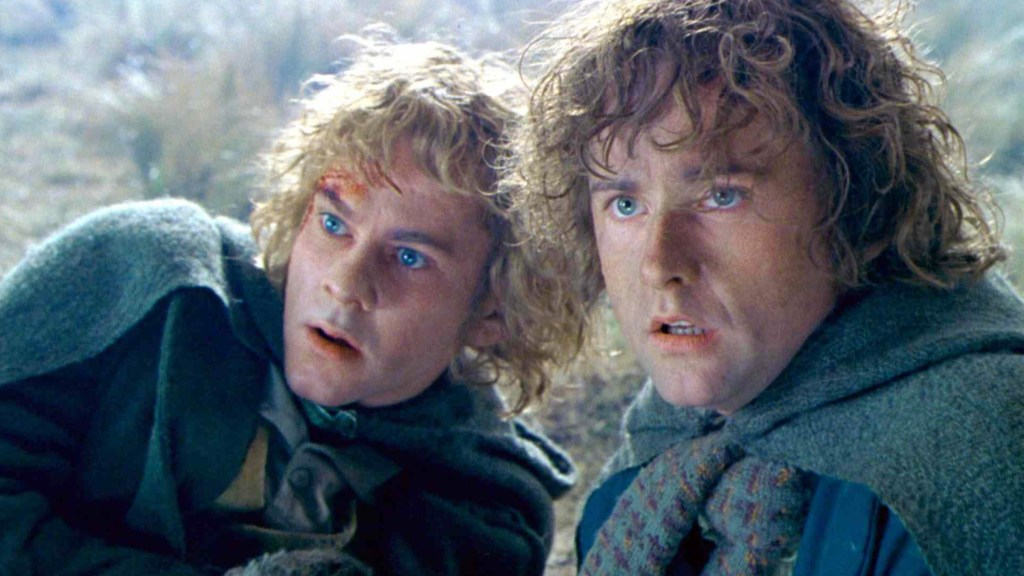
Modern readers tend to underestimate Tolkien’s range. He wasn’t limited to the quests of The Lord of the Rings and The Hobbit, as anyone who has read The Silmarillion will know. Rather, Tolkien quite liked playing with other genres, and he intended The New Shadow to be a thriller. That certainly fits with the ominous opening scenes, which end with Borlas headed to meet with the cult, dressed in black, likely with a dark fate awaiting him. The New Shadow would have been a sequel, but it would not have been more of the same.
It’s fascinating to note that the orcs remained Lord of the Rings‘ greatest villains. In the opening philosophical discussion, to be an orc is simply to do harm for no good reason; to cut down a tree without need, whether out of spite or greed. Borlas argues that a good man will chop down a tree if warmth is needed, but “must not mar the tree in play or spite, rip its bark or break its branches. And the good husbandman will use first, if he can, dead wood or an old tree; he will not fell a young tree and leave it to rot, for no better reason than his pleasure in axe-play. That is orkish [sic].”
Philosophy (and, in truth, Catholic theology) was always integral to Tolkien’s works. The New Shadow would have certainly continued this trend, and it would have gone beyond pure philosophical discussion into the realm of fantasy thriller. Sadly, because Tolkien left no further notes behind, there is no way to know whether the orcs themselves would have returned – proving to be far less extinct than they had seemed. It would be fascinating to see other writers turn to Tolkien’s unfinished sequel, making this one a reality in one form or another.
What do you think? Leave a comment below and join the conversation now in the ComicBook Forum!
