By June 2, 2017, the DC Extended Universe was in serious need of a win. Batman v Superman: Dawn of Justice had opened to blistering reviews in 2016, and the broader audience goodwill that had built up since Man of Steel was steadily evaporating. Into that context came Wonder Woman, directed by Patty Jenkins from a screenplay by Allan Heinberg. The film earned a 93% on Rotten Tomatoes and grossed $821 million worldwide against a $149 million production budget, making it a hit by any metrics. Beyond the numbers, Wonder Woman succeeded by leaning into the charming fish-out-of-water dynamics between the sheltered Amazonian warrior Diana Prince (Gal Gadot) and the pragmatic American spy Steve Trevor (Chris Pine). Furthermore, the World War I setting lent the action genuine dramatic weight, and the No Man’s Land sequence became a defining image in the superhero genre.
Videos by ComicBook.com
Despite its strengths, Wonder Woman‘s final arc is deeply flawed. Diana leaves the idyllic island of Themyscira believing that Ares, the God of War, is responsible for the carnage of World War I. Her entire journey hinges on the certainty that removing one corrupting divine presence will end human suffering. However, during her journey, Diana watches soldiers commit atrocities without any divine hand directing them. Furthermore, the movie frequently puts Diana at odds with Steve Trevor, who argues that the widespread cruelty and hubris fueling the war are inherently human traits. After all, World War I is just the latest of a series of conflicts plaguing the world. This ideological clash elevated the story beyond standard comic book fare, pushing the protagonist to confront her beliefs and slowly understand life is more complicated than she thought. Sadly, Wonder Woman completely abandons this sophisticated build-up in its final twenty minutes.
Wonder Woman Wasted the Perfect Twist
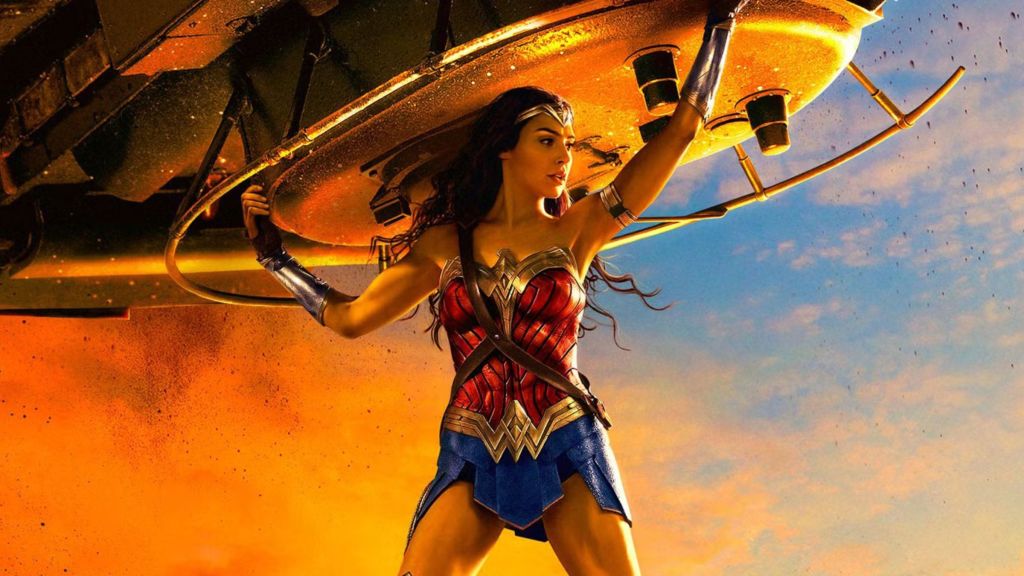
Rewatching the movie makes it clear how Wonder Woman was designed to culminate in the devastating reveal that Ares was never involved in World War I. The narrative perfectly positions Diana for a harsh awakening where she must realize that the darkness in men’s hearts exists without the intervention of any malicious deity. After that, the DC heroine would be asked to choose to protect humanity anyway, which would have made her choice more meaningful. Knowing that humanity is capable of atrocities and still believing in hope is what makes Wonder Woman so interesting in comics, and just pinning the blame on Ares is actually an easy way out of a complex moral conundrum. Sadly, Warner Bros. Pictures forced director Jenkins to change her story, adding the weaker endings in the final stages of production.

Jenkins detailed the studio’s intervention on Marc Maron’s WTF podcast. “That was the only thing that the studio forced my hand on,” she said, “was that it was not supposed to be — it was supposed to be like, that he never turns into Ares. The whole point of the movie is that you get there to the big monster, and he’s just standing there looking at you saying, ‘I didn’t do anything.’ And then the studio kept saying, ‘We’ll let you do that, and then we’ll see.’ And then I could feel it creeping up, and then at the last minute, they were like, ‘You know what? We want Ares to show up.’ And I was like, ‘Goddamn, we don’t have time to do that now.’ And ‘Nope, you gotta do it!’”
The result is what audiences received. David Thewlis transforms into an armored CGI deity and the film collapses into exactly the kind of boring superhero spectacle that plagues so many movies, both from DC and Marvel. However, the problem runs deeper than the visibly rushed execution Jenkins acknowledged. Once Ares confirms he engineered the war, Diana’s crisis of faith resolves. The heroine realizes she was right all along, as evil has a face and defeating it restores order. That conclusion actively undermines Steve Trevor’s sacrifice, which lands as a profound act of human moral agency in Jenkins’ vision and is reduced to a plot mechanism in Warner Bros.’ version. Finally, the twist robs Dian of most of her character development, as being right about Ares means she didn’t have to learn anything during the journey.
Wonder Woman is currently available to stream on Max.
Do you think the studio interference ruined the 2017 Wonder Woman film, or did you enjoy the fight against Ares? Leave a comment below and join the conversation now in the ComicBook Forum!
More Movies
-

Image Courtesy of Buena Vista -

DC Studios – Warner Bros. Animation -
Image Courtesy of DC Comics -

Image Courtesy of Marvel