
Nearly seven years after The Rise of Skywalker, an extended Star Wars movie hiatus finally ended this summer with the release of The Mandalorian and Grogu. On paper, one would expect the theatrical return of one of pop culture’s premier franchises to be one of the year’s biggest cinematic events. However, The Mandalorian and Grogu landed with a muted impact. Grossing $98 million domestically over the four-day Memorial Day holiday weekend, the film scored the lowest opening for a Disney-era Star Wars movie. Things only got worse after it suffered a steep 70% drop in its second weekend, falling to third behind a pair of indie horror movies. As of this writing, its worldwide total stands at $248.2 million.
Videos by ComicBook.com
Budgeted at $165 million (before marketing and distribution expenses), The Mandalorian and Grogu shouldn’t go down as a loss for Disney and Lucasfilm — especially when one considers the addition revenue that’ll come from merchandise sales, theme park tie-ins, and PVOD rentals. At the same time, this is hardly the triumphant return to multiplexes the studios were probably hoping for when they scheduled a new Star Wars movie over a holiday weekend. So how did this happen? There are a few reasons why The Mandalorian and Grogu has posted the worst Star Wars box office numbers so far.
1) The Mandalorian Is a Streaming Franchise (and Star Wars Has Become One Too)
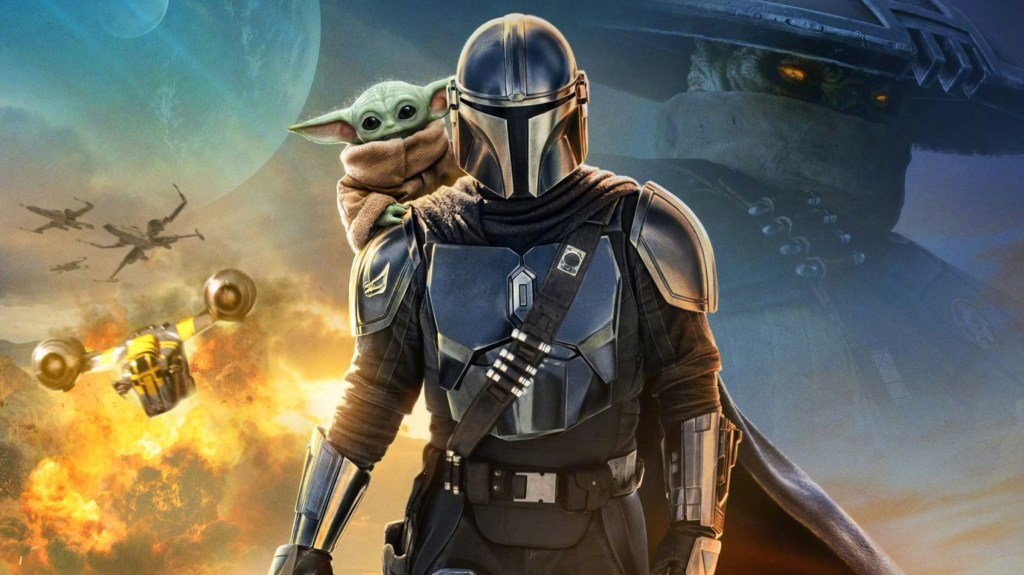
After The Marvels and Captain America: Brave New World disappointed, The Mandalorian and Grogu is the latest example of Disney’s streaming-to-theatrical release model underwhelming. Releasing a theatrical continuation of a streaming series is always a tricky proposition. Though Jon Favreau did his best to ensure The Mandalorian and Grogu worked as a standalone story anyone could enjoy regardless of prior knowledge, the fact that the movie felt like a feature-length sequel to three seasons of TV might have dissuaded more casual moviegoers from checking it out (not everyone follows the TV shows closely). Additionally, The Mandalorian was the flagship Disney+ program for so long that people largely associate Din Djarin and Grogu with the streamer. Some could be interested in watching the movie, but opted to wait for streaming.
This speaks to something larger going on with the Star Wars franchise in general. After The Rise of Skywalker, there were no new movies for several years, but there was plenty of new Star Wars content. Multiple live-action and animated TV shows premiered on streaming, essentially turning Star Wars into a streaming franchise. People became conditioned and accustomed to watching “new Star Wars” from the comfort of home. It’s similar to the Pixar problem Disney has been dealing with since the pandemic. Once people become used to having the new stuff delivered directly to their living room, it’s hard to put that genie back in the bottle.
2) Star Wars Franchise Fatigue

It goes without saying that the Star Wars franchise is in a very different place compared to the last time an extended Star Wars movie hiatus ended. When The Force Awakens was gearing up for its release in December 2015, the anticipation couldn’t be contained. The release of the now-famous “Chewie, we’re home trailer” united the fandom in a way that hasn’t been topped. In the decade plus since The Force Awakens, opinions surrounding the Star Wars franchise have turned.
When something’s as big as Star Wars, it’s impossible to please everyone, but the galaxy far, far away has proven to be exceptionally divisive over the past several years. The Last Jedi was the most polarizing studio blockbuster this side of Batman v Superman; Solo bombed and was divisive; The Rise of Skywalker ended the legendary Skywalker Saga on a sour note. It’s an issue that’s plagued the TV series as well. Shows like The Book of Boba Fett, Obi-Wan Kenobi, Ahsoka, and The Acolyte earned mixed responses. The Mandalorian Season 3 halted the forward momentum of the first two seasons (which almost definitely played a role in The Mandalorian and Grogu‘s performance). Since 2020, the only Star Wars project the general public really agrees on is Andor. Star Wars hasn’t really been in a position of strength since Darth Vader’s hallway massacre in Rogue One.
3) Lack of Buzz and Word of Mouth

Even though Star Wars has been up and down for a while, The Mandalorian and Grogu could have made strides to bring the fandom back together and get people excited to see the galaxy far, far away on the big screen again. Sadly, Lucasfilm fumbled the early portion of the marketing campaign, unveiling a teaser trailer that failed to leave much of an impression and a truly bizarre Super Bowl spot that parodied Budweiser commercials (as opposed to actually selling the movie it was promoting). Later promotional materials were stronger, highlighting emotional beats and character arcs, but by then it was too little, too late. The Mandalorian and Grogu never had momentum heading into theaters because of the uneven promotional efforts.
The Mandalorian and Grogu might have been able to overcome that if the reviews were enthusiastic, but instead they were lukewarm. The Rotten Tomatoes critics score of 62% is one of Star Wars’ lowest, with the general consensus being the film is a fun, pulpy space adventure that’s let down by a thin narrative. That didn’t do much to change the opinion that The Mandalorian and Grogu was nothing more than just an extended episode of the TV show (with similar production values, since the live-action Star Wars shows attempted to be as “cinematic” as possible), so there was never “must-see” buzz. Contrast that with Project Hail Mary, which was being called a “masterpiece” months before its debut, and the reviews praised it as heartfelt big-screen spectacle that had to be seen in IMAX.
4) Competition From Horror Movies
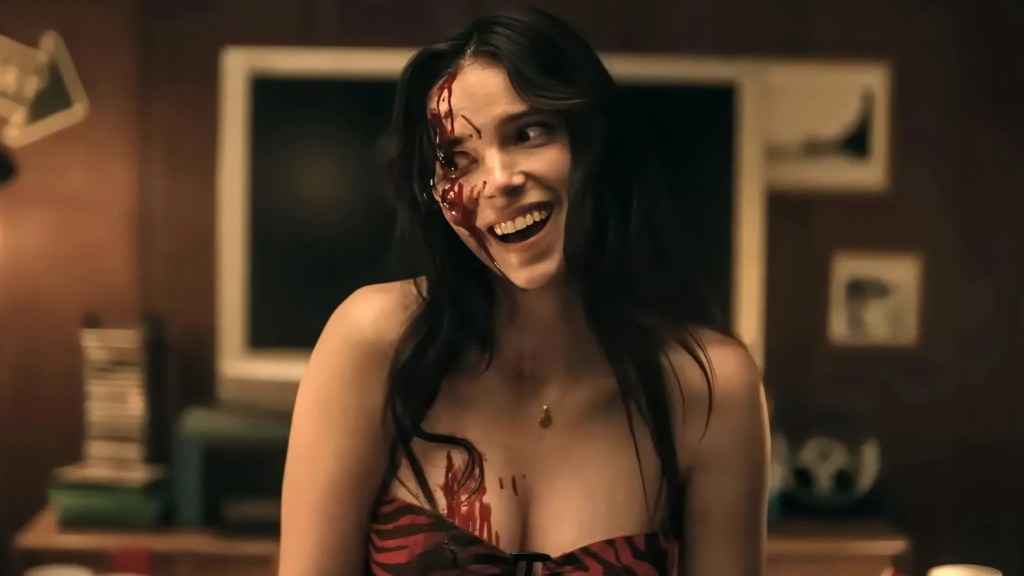
The Mandalorian and Grogu didn’t have to deal with any other big-budget genre tentpoles over its first couple of weekends, but it faced stiff competition from an unlikely place. A pair of indie horror movies (Backrooms and Obsession, the latter of which was in its third weekend) toppled The Mandalorian and Grogu, leading to that massive 70% decline. It goes without saying that a family friendly Star Wars movie and R-rated indie horror films have wildly different target demographics. However, Obsession and Backrooms scored much stronger reviews, which made them more appealing for general moviegoers just looking for something new to see. In today’s day and age, people want to feel like a trip to the theater is worth it. The buzzed about horror film everyone is talking about stands out more.
In the wake of Obsession and Backrooms beating The Mandalorian, there’s been some “are franchises dead?” discourse. That talk may be premature, especially with Toy Story 5, Minions & Monsters, and Spider-Man: Brand New Day on the way this summer. However, this is another sign that box office trends could be starting to change. Last year, we pointed out that the superhero movie bubble had burst, as anime, video game adaptations, and horror movies fared better than most of the comic book adaptations. There will always be a place for studio blockbusters, but the age of a franchise movie doing well simply because it’s the latest installment in a mega franchise might be over. People need more of a reason to head out and see it.
What do you think? Leave a comment below and join the conversation now in the ComicBook Forum!
